Diesel Engine Knock & Injector Nailing Noise: Complete Diagnosis Guide
Introduction
You hear it at idle: a sharp, metallic tapping that increases with engine speed, louder than normal injector click but not quite as deep as a rod knock. It’s been there for a thousand miles now, and you’re not sure whether it’s an injector that needs attention or a piston that’s about to window the block. This is diesel knock and injector nailing — two distinct categories of abnormal combustion noise that share some symptoms but point toward completely different failures.
This guide separates the sounds, connects each one to its root causes, and provides a step-by-step diagnostic workflow so you know whether the fix is a replacement injector, an injector adjustment, a fuel system repair, or something deeper in the rotating assembly.
The Two Noise Categories: Knock vs. Nailing
These terms describe different physical events, and confusing them leads to replacing the wrong parts:
- Diesel knock is an abnormally loud combustion event. It is the sound of cylinder pressure rising too steeply during the ignition delay period — the time between start of injection and the fuel self-igniting. The longer the delay, the more fuel accumulates before ignition, and the sharper the pressure spike (and the louder the knock). This is fundamentally a timing, fuel quality, or spray quality issue.
- Injector nailing is a mechanical noise from the injector itself: the sound of the solenoid armature, needle, or control valve hitting its stop during the injection event. All electronic injectors click; nailing is when that click becomes loud enough to hear distinctly over the engine’s normal combustion noise, indicating excessive clearance, wear, or abnormal actuation forces.
- Pre-ignition or detonation knock (the spark-ignition equivalent) does not apply to diesel engines. Diesel knock is entirely about ignition delay, not uncontrolled secondary ignition of end-gas.
The sound distinction in practical terms: diesel knock is a deep, resonant thud or hammering sound locked to one cylinder’s firing rhythm. Injector nailing is a sharp, high-pitched tick or click that is also cyclical but sounds more like a solenoid hammer than a combustion event. A mechanic’s stethoscope placed on the injector body versus the cylinder block is the simplest field test: if the noise is louder on the injector body, it’s nailing. If it’s louder on the block or cylinder head near the injector bore, it’s combustion knock in that cylinder.
Causes of Diesel Knock (Combustion Origin)
1. Retarded Injection Timing
Ironically, the loudest diesel knock often comes from timing that is too advanced (fuel injected too early, when the piston is still rising). But on electronically controlled engines, a failing crank or cam position sensor, a slipped tone ring, or corrupted timing calibration data can also produce knock through incorrectly computed injection timing. On mechanical engines, injection pump timing that has drifted advanced (loose pump flange bolts, stretched timing chain/belt, worn advance mechanism) is the classic cause.
2. Poor Atomization / Spray Quality
A worn or coked injector nozzle that sprays streams instead of mist produces large fuel droplets. These take longer to vaporise and ignite, extending ignition delay and causing knock. This is especially visible as light-load knock that diminishes under heavy load; at heavy load, higher cylinder temperature compensates for the poor atomisation and ignition delay shortens.
3. Injector Nozzle Opening Pressure (NOP) Drift
On mechanical injectors and pump-line-nozzle systems, the nozzle opening pressure (pop pressure) is set by a calibrated spring. Over hours of operation, spring fatigue drops NOP. A nozzle opening too early at lower pressure produces poor initial atomisation and knock. This is diagnosed with a pop tester: compare opening pressure to specification (typically 200–300 bar for many mechanical injectors) and replace or reset nozzles whose pressure has drifted low.
4. Low Cetane Fuel
Cetane number directly determines ignition delay. Diesel fuel with a cetane rating below 40 (common in some markets) produces significantly longer ignition delay than premium 50+ cetane fuel. If knock appeared immediately after a fuel fill, suspect the fuel before the injectors.
5. Abnormal Cylinder Conditions
A cylinder with low compression (worn rings, leaking valves) has lower end-of-compression temperature, which extends ignition delay and causes knock in that specific cylinder. Carbon buildup on the piston crown (hot-spot ignition) can also pre-ignite fuel and produce knock-like sounds. These are cylinder-mechanical causes, not injector causes, and must be ruled out before replacing injectors.
Causes of Injector Nailing (Mechanical Origin)
1. Worn Solenoid Armature / Valve Clearance
Inside a solenoid injector, the armature (the moving magnetic part that pulls the control valve or needle) moves through a small clearance, typically tens of microns. Wear from billions of cycles opens that clearance slightly. The hammering of the armature against its stop becomes louder — the nail sound. If the clearance opens further, the solenoid can no longer pull the valve fully open (weak delivery) or close it cleanly (dribble). This is a progressive wear pattern; the noise often predates a performance fault by weeks or months.
2. Low Fuel Lubricity / Contaminated Fuel
Diesel fuel is the only lubricant for the injector’s internal moving parts. Water-contaminated fuel, ultra-low-sulfur diesel run without adequate lubricity additives, or fuel contaminated with abrasive fines accelerates internal wear. The first audible sign is often louder-than-normal injector click. Address the fuel quality issue before it finishes wearing out all six or eight injectors simultaneously.
3. Control Valve Seat Erosion
On common rail injectors, the high-speed control valve that dumps pressure from the control chamber to trigger the nozzle opening can erode at its seat. This creates a sharp metallic impact sound and is often accompanied by a cylinder-balance fault (the injector over- or under-fuels because the valve’s opening/closing timing has shifted).
4. Incorrect Injector Adjustment (EUI / HEUI)
On mechanically or electronically adjusted unit injector engines (Caterpillar EUI engines such as C7, C9, C10, C12, C15, 3406E; Detroit Diesel Series 60 EUI), incorrect injector preload or rocker adjustment changes the timing of the injection event and the force with which the cam-driven plunger hits the injector’s internal stop. Nailing noise plus white smoke plus loss of power in a recently serviced engine = check injector adjustment immediately.
5. Fuel Aeration (Air in Fuel)
Air bubbles in the fuel reaching the injector act as a compressible cushion, causing the internal components to hammer as they compress gas instead of incompressible liquid. Air ingress through a pinholed suction line, loose banjo bolt, or cracked fuel filter housing produces erratic, intermittent nailing that varies with engine load and fuel level (worse when tank is low if the pickup tube has a crack above the fuel level).
Diagnostic Workflow
Work from the outside in — cheap, non-invasive tests before expensive disassembly:
- Identify the cylinder. A mechanic’s stethoscope on each injector body and adjacent cylinder head location isolates the noisy cylinder. On electronic engines, run a cylinder cutout/contribution test: disabling the noisy cylinder should silence a combustion knock but may not change the sound of injector nailing (the injector is still actuating). This is a powerful differential clue.
- Fuel sample. Draw a sample from the primary filter housing into a clear container. Water separation, cloudiness, or particulates mean address the fuel supply before condemning hardware. Send a sample for cetane and lubricity analysis if fuel quality is suspected.
- Scan tool data. Check for injector circuit DTCs, balance rate values, and (on common rail) actual vs. desired rail pressure under load. A cylinder with a positive balance rate (under-contributing) plus knock noise strongly suggests a bad injector. A cylinder with a negative balance rate (over-contributing) plus knock may indicate a dribbling nozzle.
- Injector return flow test (common rail). Excessive back-leakage identifies internally worn injectors. Combine with balance-rate data to triangulate.
- Pop test mechanical injectors. Remove and test on a bench pop tester. Measure opening pressure, observe spray pattern (should be uniform mist, no streams or drips), and listen for a clean shut-off chirp. Low opening pressure or streams = rebuild or replace nozzle.
- Compression test. If balance rates and injector tests all point to one cylinder but the injector itself bench-tests healthy, cylinder mechanical health is the remaining variable.
- Replace with a proven-good injector. The definitive test. Swap the suspect injector to another cylinder (when physically possible — some platforms allow this) and see if the noise follows the injector. If the noise stays in the original cylinder, the cause is mechanical.
When the Noise Must Be Fixed Immediately
Not every clattering diesel needs emergency surgery. Context matters:
- Mild, consistent injector click on a high-hour engine with normal balance rates, normal return flow, and no smoke: monitor. This is likely normal wear. Record the sound on your phone for trend comparison at the next service.
- Loud nailing that appeared suddenly: investigate immediately. Sudden onset in an electronic engine suggests an electrical fault (driver circuit, wiring chafe) that is hammering one injector with incorrect current or timing.
- Knock accompanied by white or blue smoke: fix now. This combination indicates unburned fuel (injector stuck open or timing severely off) — continued operation risks cylinder washing, oil dilution, and piston damage.
- Knock in an engine that just had injector work: stop and verify. Incorrect injector adjustment or a missing copper washer are the most common causes; both are diagnosed in minutes and require zero parts cost if caught early.
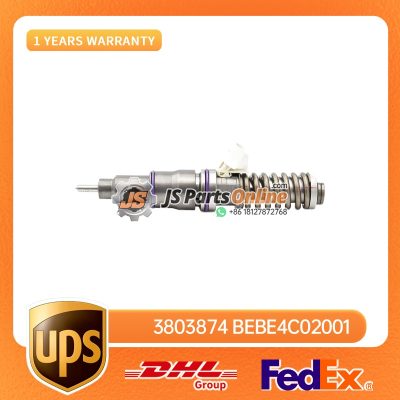
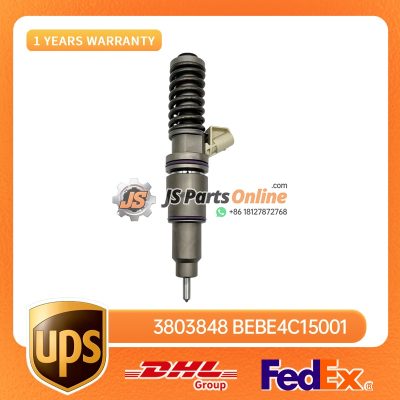
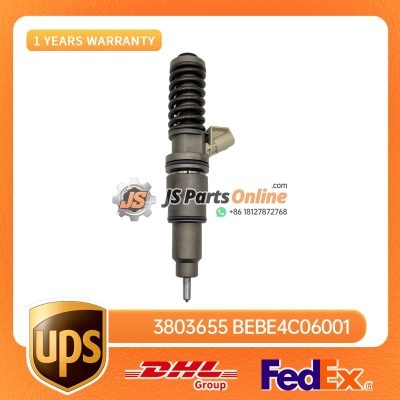
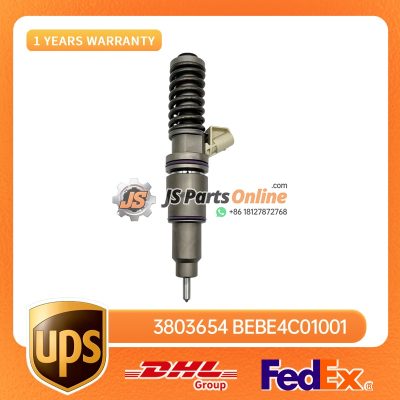
When replacement injectors are needed, JS Parts Online supplies individually tested units with documented delivery and solenoid performance:
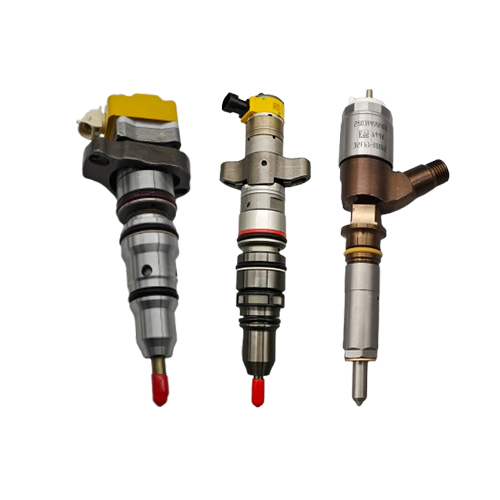
- Caterpillar Fuel Injectors — HEUI and EUI units, solenoid-tested and flow-verified before shipment
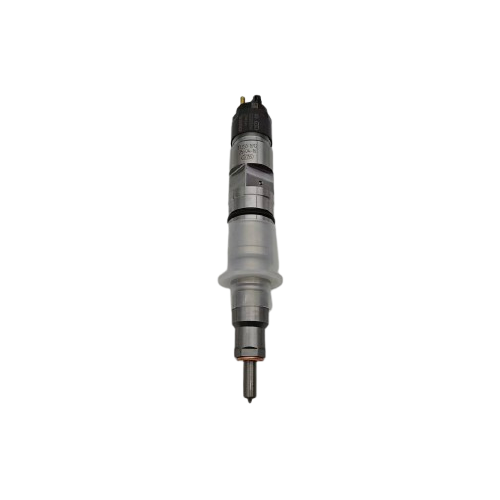
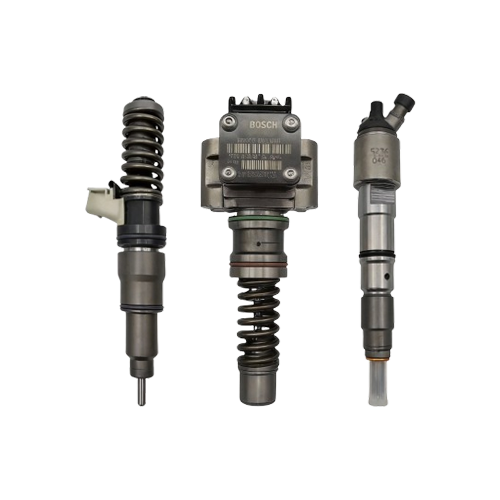
- Bosch Common Rail Injectors — leak-tested, supplied with calibration codes
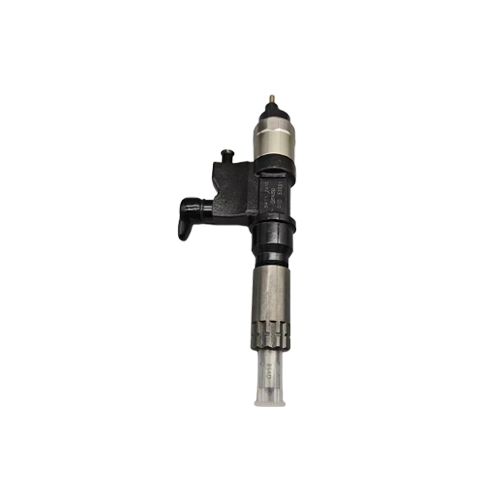
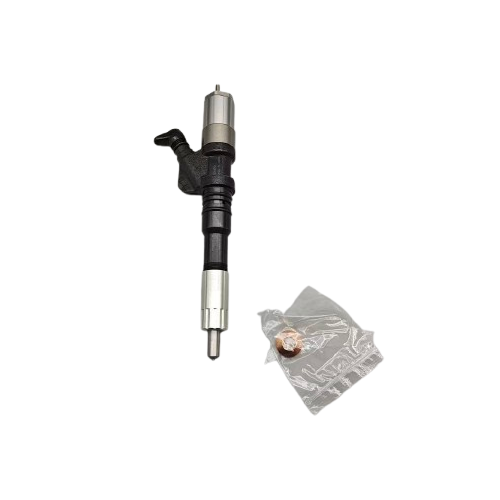
- Denso Diesel Injectors — precision replacements for Japanese platforms
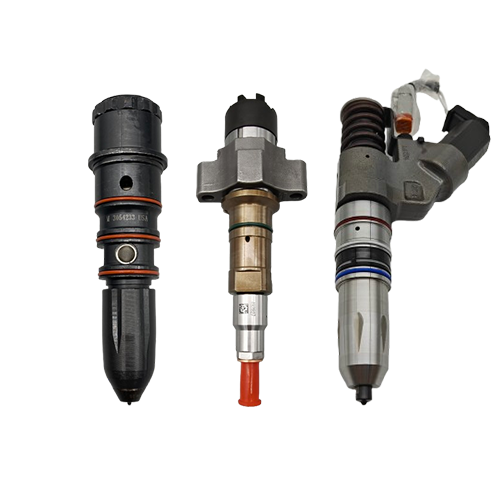
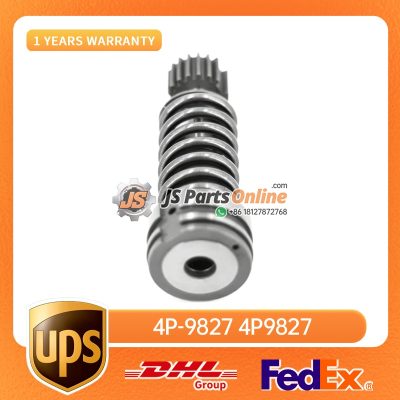
- Fuel Injection Pump Plungers — restore delivery accuracy on mechanical pump systems
Conclusion
A diesel engine that knocks is telling you something specific: fuel is igniting too late and too violently in one or more cylinders. An injector that nails is telling you something different: internal mechanical clearance has opened up, or it is being driven incorrectly. Get the diagnosis right by listening to where the sound lives (injector body vs. cylinder block), cross-referencing scan tool data, and verifying with return-flow and pop-test results before spending on parts.
Most knock and nailing cases that reach the repair bay trace back to a single injector with a worn nozzle, a drifted opening pressure, or erosion in its internal valve train. Replace it with a documented, bench-tested unit and the noise should disappear with the first start. If it doesn’t — or if the sound comes back in weeks, not years — the root cause is upstream: fuel quality, air ingestion, or a systemic adjustment issue that will eat the replacement too.