Diesel Fuel Bacteria & Algae: Complete Contamination Prevention, Testing & Treatment Guide

Diesel Fuel Bacteria & Algae: Complete Contamination Prevention, Testing & Treatment Guide

Introduction

Diesel fuel is not sterile. It is a hydrocarbon environment that, given the right conditions — water, warmth, and time — becomes an incubator for microbial growth that can destroy a fuel injection system from the tank to the injector nozzles. The organism responsible has many names: diesel bug, diesel algae, fuel bacteria, microbial contamination. Whatever it is called, its effect is the same: slime, sediment, and acidic byproducts that clog filters, corrode injection components, and cause intermittent power loss that is repeatedly misdiagnosed as an injector or pump fault.

This guide explains the biology of diesel fuel contamination — what the organisms actually are, how they survive and multiply in fuel — the damage they cause throughout the fuel system, the testing methods that confirm or rule out microbial contamination, the treatment options for infected fuel and hardware, and the prevention protocols that keep a fleet’s fuel system sterile. It is written for fleet managers, equipment owners, and technicians who maintain diesel engines in any operating environment where fuel sits in storage or in machine tanks for extended periods.

What Diesel Bug Actually Is

“Diesel algae” is a misnomer. The organisms that colonise diesel fuel are not algae (which require sunlight and photosynthesis) but a consortium of bacteria, fungi, and yeasts that metabolise hydrocarbons directly. The technical term is HLB: Hydrocarbon-Utilising Bacteria and Fungi.

The microbial community typically includes:

  • Bacteria: Pseudomonas species are the most common diesel-colonising bacteria. They are aerobic (oxygen-consuming) and produce acidic metabolites that lower fuel pH and accelerate corrosion. Sulfate-reducing bacteria (SRB) are anaerobic organisms that colonise the water bottom of storage tanks and produce hydrogen sulfide, responsible for the rotten-egg smell of severely contaminated fuel.
  • Fungi / filamentous moulds: Cladosporium resinae (formerly Hormoconis resinae, historically called the “kerosene fungus”) and Aspergillus species grow as filamentous mats (mycelia) that physically clog filters and screens. Unlike bacteria, fungi can grow across the fuel-water interface, bridging the two phases and accelerating the contamination cycle.
  • Yeasts: Candida and Yarrowia species are commonly found alongside bacteria and fungi in contaminated fuel systems.

The life cycle is driven by one critical ingredient: water. Microbes live in the water phase at the bottom of the fuel tank, at the fuel-water interface, not in the fuel itself. They consume fuel hydrocarbons as a carbon source but require dissolved oxygen and nutrients from the water layer to metabolise and reproduce. A tank with zero free water cannot support microbial growth. A tank with condensation water, rainwater ingress, or water absorbed into warm fuel that condenses out as the tank cools has everything the diesel bug needs to thrive.

How Contamination Damages the Fuel System

The damage is both physical (clogging) and chemical (corrosion), and it escalates from nuisance to catastrophic as the contamination matures:

Stage 1: Filter Plugging

Microbial biomass — the slime, mats, and particulate debris produced by the organisms — accumulates on fuel filter media. Filter restriction increases, initially presenting as intermittent power loss under high fuel demand that clears after a filter change but returns sooner each time. The classic diagnostic clue: filters that plug with black or dark-brown slime rather than the grey or tan colour of normal diesel sediment.

Stage 2: Injector Fouling

Biomass particles small enough to pass through a partially blocked filter enter the injection system. On common rail engines, they accumulate in the injector’s internal fine-mesh inlet filter (the edge filter or last-chance screen). This causes a lean condition in the affected cylinder: the ECM increases injector pulse width to compensate, producing a positive balance rate and, eventually, a DTC. On HEUI and EUI engines, biomass particles can clog the injector’s internal fuel passages and the plunger-to-barrel clearance, causing erratic delivery.

Stage 3: Acid Corrosion of Injection Hardware

The metabolic byproducts of microbial growth — primarily organic acids (acetic, formic, propionic) — lower the fuel’s pH from its typical neutral band (6.5–7.0) into an acidic range (below 5.0 in severe cases). Acidic fuel attacks:

  • The precision-lapped surfaces inside injection pumps and injectors (corrosion pitting on plunger barrels, control valve seats, nozzle needle guidance surfaces — a few microns of pitting renders these components scrap)
  • Steel fuel lines and fittings (internal pitting that acts as a debris source long after the contamination is treated)
  • Fuel tank interiors, especially steel tanks where acid corrosion combined with SRB activity can perforate the tank floor within months

Stage 4: System-Wide Contamination

Once established, the microbial colony spreads throughout every component that fuel touches: tank, lines, lift pump, primary filter, secondary filter, injection pump, common rail or injector supply passages, injectors, and return lines. Treating only the tank without addressing the entire system guarantees reinfection within weeks from the surviving colony in the lines and components.

Symptoms and Diagnosis

Microbial contamination presents as a cluster of symptoms that, individually, could point to a dozen different faults. The combination is the diagnostic key:

  • Rapidly recurring filter plugging (filter life dropping from hundreds of hours to tens of hours or less)
  • Dark, slimy residue on filter elements when cut open for inspection (not just dark fuel staining — actual mucus-like slime that can be scraped off the filter pleats)
  • Sulfur / rotten-egg odour from the fuel tank vent or when draining the water separator (indicates SRB activity producing hydrogen sulfide)
  • Hazy or cloudy fuel appearance (visible biomass suspension; healthy diesel is clear)
  • Water separator draining unusually large volumes of water, or water that is dark and foul-smelling rather than clean and clear
  • Corrosion visible on fuel system components (fuel sender float arm, steel tank interior where accessible through the sender opening, fuel line external fittings where acidic fuel has seeped)
  • Intermittent power loss that correlates with fuel demand rather than engine load (fuel starvation from progressively clogging filtration, not air or boost related)

Testing Methods

Confirm or rule out microbial contamination with objective testing, not guesswork:

  • Dip-slide / culture test: A plastic paddle coated with selective growth media is dipped into a fuel sample and incubated for 24–72 hours at 25–30°C. Colonies growing on the paddle are compared to a chart to estimate contamination severity (CFU/mL). This is the industry-standard field test and the minimum every fleet should have available. Test kits from FUELSTAT, MicrobMonitor, and Hy-Lite are widely available.
  • ATP bioluminescence (rapid test): Measures adenosine triphosphate (ATP), the energy molecule present in all living cells. A fuel sample is filtered, treated with a reagent that causes ATP to emit light, and measured in a luminometer. Results are available in minutes rather than days. ATP testing is less specific (cannot distinguish between bacterial, fungal, and yeast contamination) but excellent as a rapid screening tool. The Hy-Lite and 3M Clean-Trace systems are common choices.
  • Laboratory analysis: For a definitive identification of the organisms present and their concentration, send a fuel sample to a laboratory specialising in fuel microbiology. This is recommended when a fleet has a persistent contamination problem despite treatment, as it identifies the specific organisms and guides biocide selection (not all biocides are effective against all organisms).
  • Water content testing: Since water is the prerequisite for microbial growth, test for free and emulsified water using a water-finding paste on a tank dip stick or a Karl Fischer titration for quantitative results. Any measurable free water in a storage or machine tank is a contamination risk that must be addressed regardless of current microbial test results.

Treatment: Addressing Active Contamination

Treatment has two phases that must be executed in the correct order: kill the organisms (biocide treatment), then remove the dead biomass (filtration and polishing). Treating without subsequent filtration leaves dead microbial debris in the fuel which continues to plug filters and foul injectors.

Phase 1: Biocide Treatment

  • Select the correct biocide for the contamination. Biocides are not universal. The two main families are isothiazolinone-based (effective against bacteria and fungi, fast-acting) and glutaraldehyde-based (broad-spectrum, better penetration of biofilms). For mixed contamination (bacteria + fungi, the most common scenario), a biocide effective against both is required. Consult the biocide manufacturer’s technical support with lab results whenever possible.
  • Calculate the correct dose. Biocide dosing is based on fuel volume plus a safety margin for the water bottom volume. Under-dosing is the most common treatment failure: it stresses the organisms without killing them and can actually induce biocide resistance in the surviving population.
  • Circulate the treated fuel. Biocide must reach every surface the organisms have colonised. Circulating the fuel through the tank (using a fuel polishing pump or by running the engine’s lift pump with the return line directed back to the tank) exposes all surfaces. Treat for the full contact time specified by the biocide manufacturer (typically 12–24 hours).
  • Drain the water bottom after treatment. Dead organisms and biocide residue settle into the water phase. This water layer must be drained and properly disposed of; leaving it in the tank provides a substrate for regrowth.

Phase 2: Fuel Polishing

  • Circulate fuel through a filtration system (fuel polisher) with progressively finer filters (typically 10 micron → 3 micron → 1 micron absolute). Continue until filter elements remain clean for a full circulation cycle.
  • Replace all engine-mounted fuel filters after polishing is complete. The existing filters are loaded with dead biomass from the treatment process.
  • Inspect and clean accessible components: fuel tank interior (through the sender opening if access permits), water separator bowl, lift pump pre-filter screen if equipped.

When to Replace Hardware

Contamination that has reached Stage 3 or 4 (injector or pump damage from corrosion or biomass fouling) cannot be remedied by fuel treatment alone. Components showing corrosion pitting or internal biomass blockage must be replaced. Continuing to run contaminated injectors after treating the fuel simply shifts the problem downstream — the clean fuel hits fouled injectors and the symptoms recur.

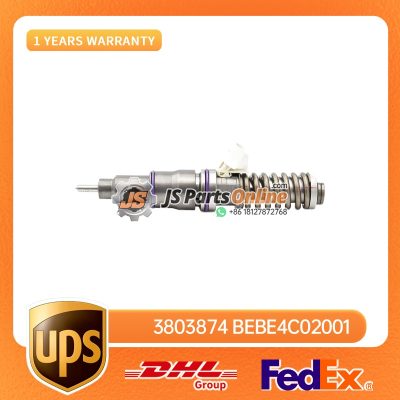
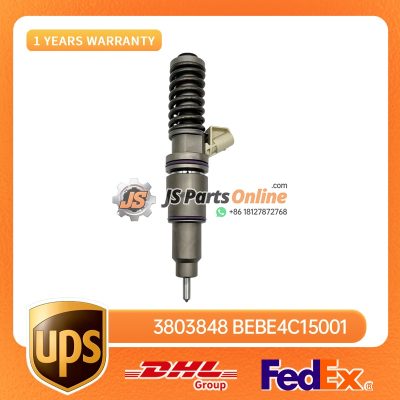
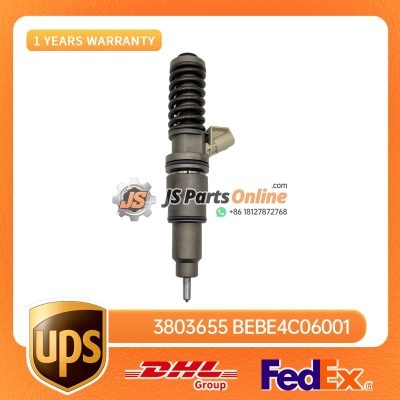
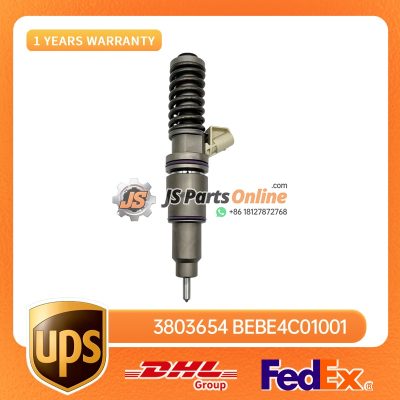
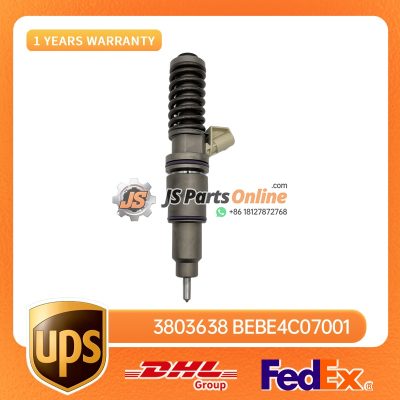
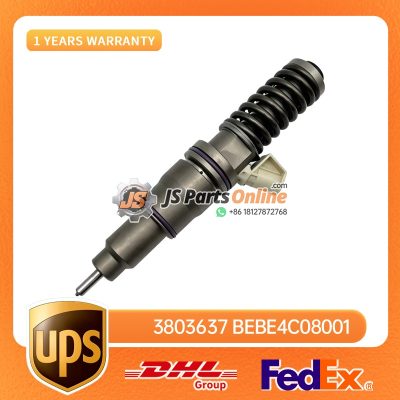
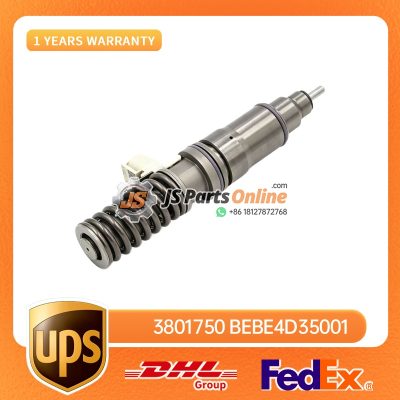
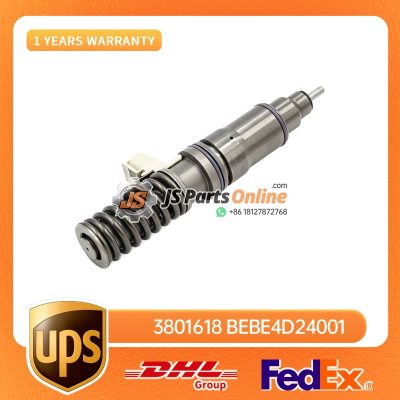
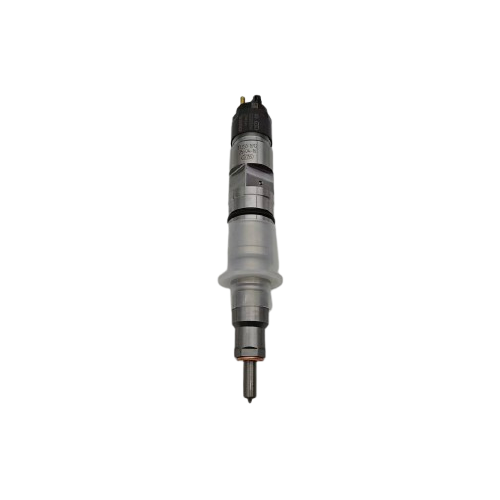
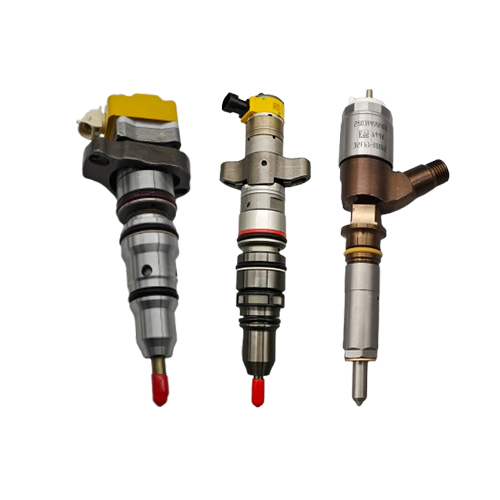
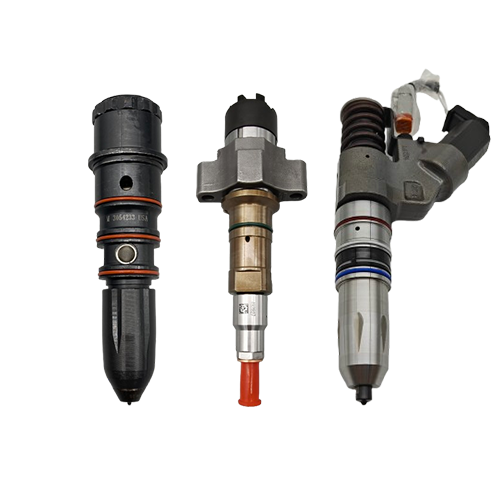
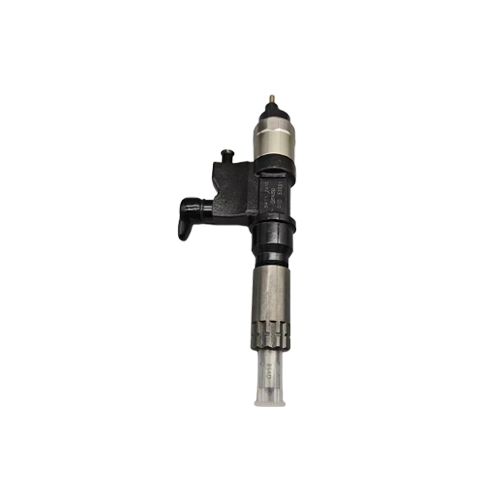
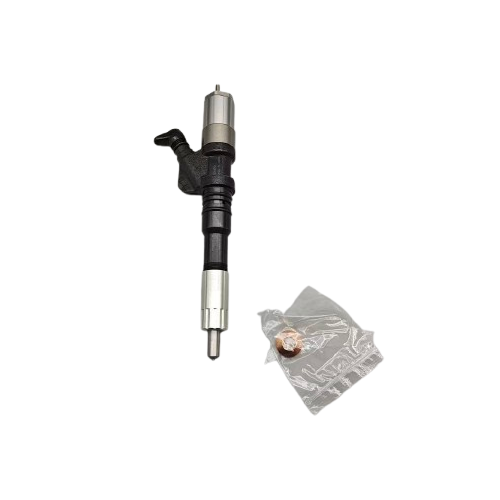
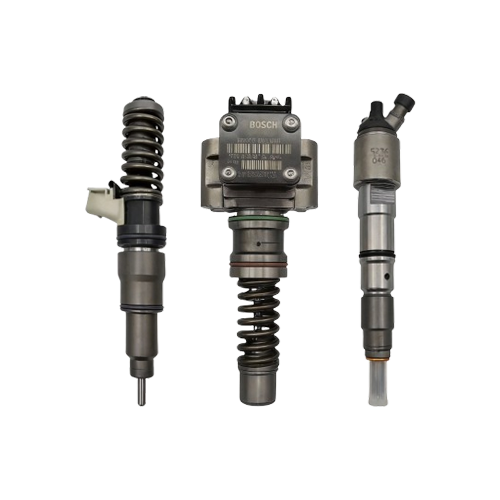
When replacement injectors or pumps are needed, JS Parts Online supplies individually bench-tested units:

Prevention: The Cheapest Treatment

Prevention costs a fraction of treatment and is the only approach that protects injection hardware from corrosion damage before it occurs:

  1. Keep water out. This is the single most effective preventive measure. Maintain tank filler cap seals and breather filters. Drain water separators on a scheduled basis (daily or weekly depending on environment), not just when the warning light illuminates. For bulk storage tanks, install desiccant breathers on tank vents to prevent humid ambient air from being drawn in as fuel is dispensed (thermal breathing). Slope tank bottoms toward the drain point so water collects where it can be removed, not in dead corners.
  2. Keep fuel moving. Fuel that sits stagnant for weeks or months in a machine or storage tank is fuel that has time to develop a water bottom and support microbial growth. For seasonal equipment, either fill the tank completely before storage (minimising air space and condensation), or drain the tank entirely. For storage tanks, rotate fuel inventory (first-in-first-out) so fuel does not age beyond the supplier’s recommended storage period (typically 6–12 months for untreated diesel).
  3. Use fuel biocides preventively. In operating environments with known microbial risk (tropical and subtropical climates, marine environments, operations with extended fuel storage), apply a maintenance dose of biocide to bulk storage tanks on a scheduled basis. The maintenance dose is typically 10–25% of the shock-treatment dose and is added to every fuel delivery. Consult the biocide manufacturer for a preventive programme specific to the fuel and operating conditions.
  4. Test regularly. Dip-slide test bulk storage tanks quarterly and machine tanks that hold fuel for more than 30 days. Track results over time: a rising trend in CFU/mL gives weeks or months of warning before symptoms appear, and the corrective action (biocide shock treatment plus fuel polishing) is a day of downtime rather than a week of component replacement.
  5. Buy fuel from high-turnover suppliers. Fuel that has sat in a supplier’s tank for months before delivery arrives pre-contaminated. A busy truck stop or fuel depot with high turnover is a better source than an infrequently used storage tank, even if the price per litre is slightly higher.
  6. Install a fuel polishing system on critical machines or storage. A permanently installed polishing system (circulation pump + water separator + fine filtration) that runs on a timer keeps bulk fuel clean and dry. For high-value machines, a polishing loop that runs for an hour after each engine shutdown prevents contamination from consolidating. This is standard practice in marine and power generation applications and is increasingly adopted by mining and construction fleets.

Conclusion

Diesel fuel microbial contamination is entirely preventable. It requires water, warmth, and time — control any one of those three, and the diesel bug cannot establish. Control all three, and it cannot survive. The cost of prevention (regular water drainage, maintenance-dose biocide, quarterly dip-slide testing, desiccant breathers on storage tanks) is measured in hundreds of dollars per year. The cost of treatment after Stage 3 contamination — injectors, possibly an injection pump, fuel tank cleaning, and machine downtime — is measured in thousands to tens of thousands.

If your fuel filters have been plugging with dark slime, or if a machine has been chasing intermittent power loss through multiple rounds of diagnostics without a definitive cause, test the fuel before ordering another round of components. The problem may be biology, not mechanical, and the fix may be a biocide treatment and fuel polish rather than a replacement injection system.