Diesel Engine Runaway: How Injector Failures Cause It & Emergency Stop Procedures
What Is Diesel Engine Runaway?
Diesel engine runaway is one of the most terrifying failures a diesel operator can experience. The engine suddenly revs uncontrollably — far beyond its governed redline — and the ignition switch does nothing to stop it. Unlike a gasoline engine, where turning off the ignition cuts the spark, a diesel engine will continue running as long as it has fuel, air, and compression. If the fuel source is something other than the injection system — such as engine oil being sucked past failed turbo seals, or a stuck-open injector dumping uncontrolled fuel — the engine will run away until it either seizes from oil starvation, mechanically self-destructs, or is forcibly starved of air.
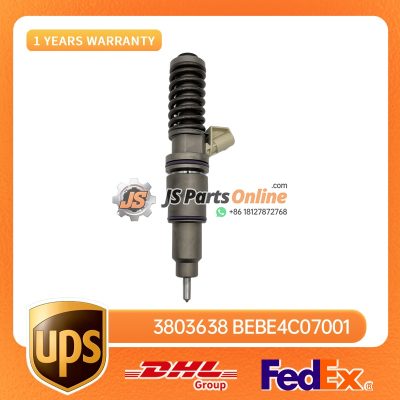
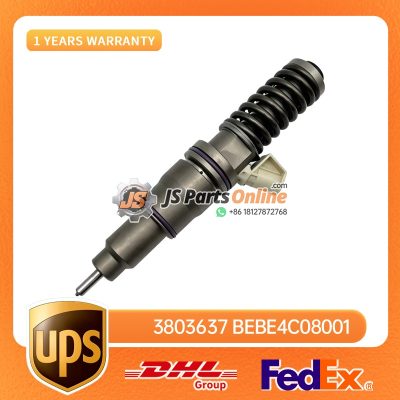
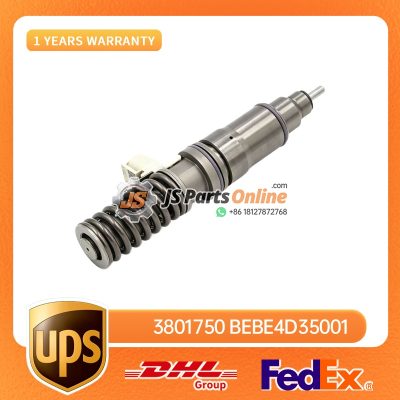
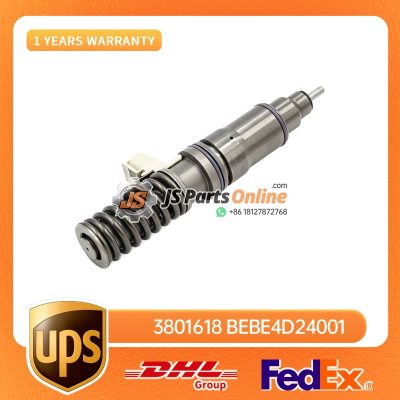
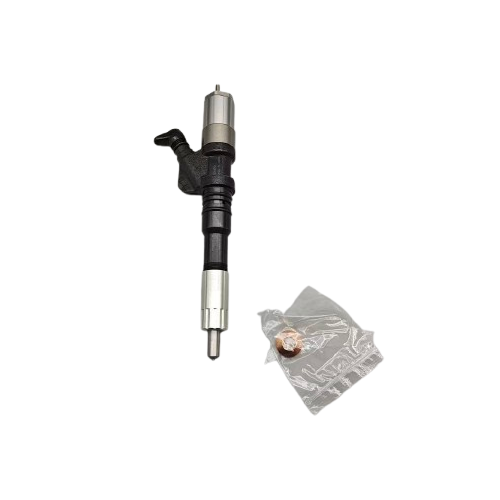
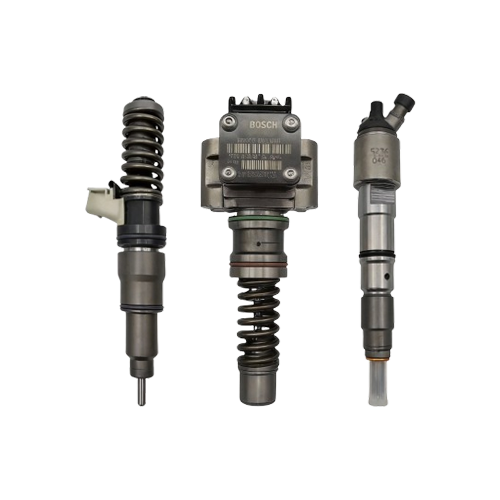
Injector failures are one of the most common — and most dangerous — root causes of runaway. Understanding how injectors cause runaway, how to recognize the early warning signs, and what to do when it happens can save an engine, a vehicle, and potentially lives.
How Injector Failures Cause Runaway
Mechanism 1: Stuck-Open Injector (Mechanical Seizure)
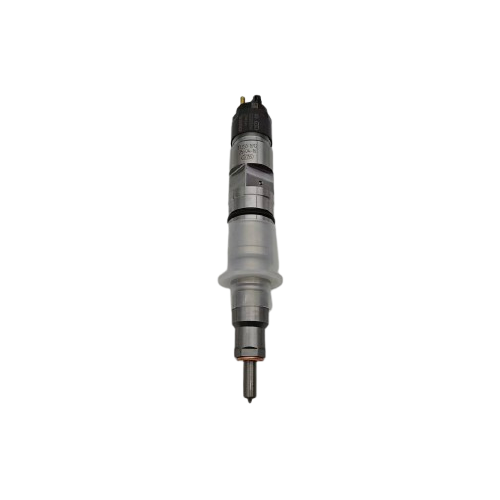
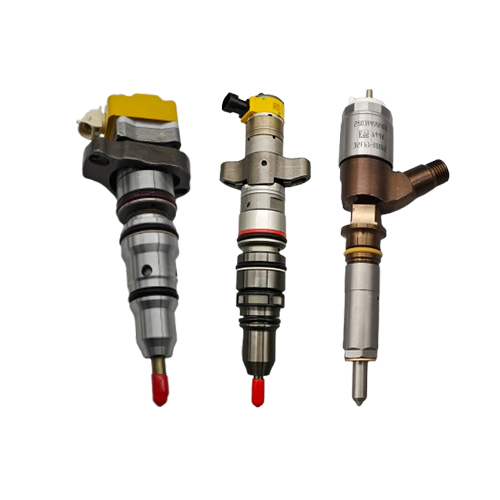
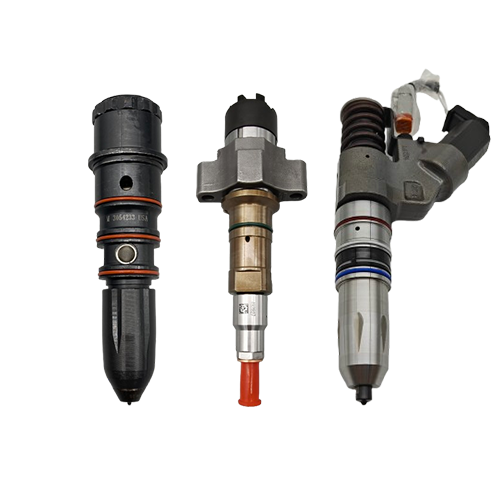
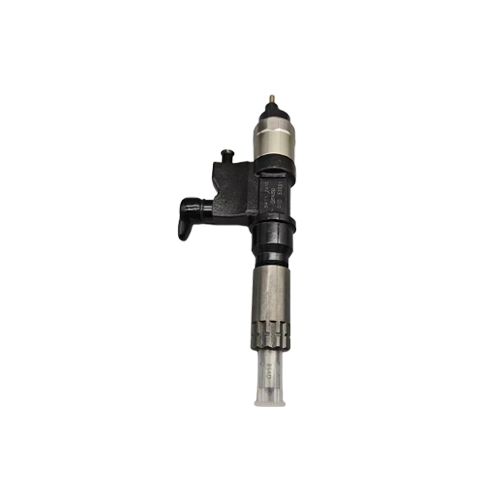
A diesel injector that mechanically sticks in the open position — due to internal seizure, debris contamination, or solenoid/actuator failure — becomes an uncontrolled fuel nozzle. Instead of delivering precisely metered fuel during the injection window, it sprays fuel continuously throughout the entire engine cycle. The ECM typically cannot detect this condition because the injector circuit may still test electrically normal.
The result: that cylinder receives a continuous stream of fuel at every piston stroke. The excess fuel doesn’t burn completely — it produces thick clouds of white or gray smoke and rapidly increases engine RPM beyond the governor’s ability to cut fuel to the remaining cylinders. The engine runs on the stuck injector’s uncontrolled fuel supply, and the governor cannot stop it.
Mechanism 2: Injector O-Ring / Seal Failure → Oil Dilution → Crankcase Vapor Combustion
A more insidious path to runaway begins with a leaking injector seal or O-ring that allows fuel to seep past the injector body and into the crankcase. Over time — often over hundreds or thousands of miles — the diesel fuel accumulating in the engine oil progressively dilutes it. The oil level rises, the oil’s viscosity drops, and the diluted oil becomes increasingly volatile.
At a critical point — typically when fuel dilution exceeds 10–15% of the oil volume — the diluted crankcase vapor becomes combustible. The engine draws this vapor through the crankcase ventilation (CCV) system into the intake manifold, where it provides an alternative fuel source that the injection system cannot control. The engine begins to feed on its own oil vapor, accelerating uncontrollably.
Why this is especially dangerous: The dilution process is gradual and silent. The operator may notice slightly rising oil level on the dipstick or a diesel fuel smell in the oil, but the engine will appear to run normally — until the moment it doesn’t.
Mechanism 3: Excess Fuel from Failed Injector Control Valve
On common rail injectors with electrically-actuated control valves (the solenoid or piezo valve that initiates and terminates injection), a stuck-open or leaking control valve can cause uncontrolled over-fueling. Unlike a mechanically stuck nozzle needle (Mechanism 1), the control valve failure allows the injector to deliver multiple times the commanded fuel quantity during each injection event — the nozzle still opens and closes, but the quantity is uncontrolled.
The ECM senses the imbalance (via crankshaft acceleration monitoring or misfire detection) and may set injector circuit or cylinder balance codes, but it cannot regain control of the injector’s fuel quantity. If the over-fueling is severe enough, the engine accelerates under load beyond the governor’s range.
The Critical Differentiator: Can You Stop It?
| Runaway Fuel Source | Ignition Key Off = Stop? | Why |
|---|---|---|
| Stuck-open injector (electrical solenoid failure) Example: solenoid spring broken, needle permanently open |
Usually YES | Turning off the ignition de-energizes the solenoid (on most systems with engine-running power relay). Without electrical power, the solenoid cannot hold open. On HEUI systems, rail pressure also drops when the high-pressure oil pump stops. |
| Stuck-open injector (mechanical seizure) Example: needle physically jammed in guide bore; debris lodged in seat |
NO | The injector is mechanically locked open regardless of electrical state. Fuel continues to flow as long as the low-pressure lift pump runs or the rail retains pressure. |
| Oil vapor from fuel-diluted crankcase CCV system feeding oil mist into intake |
NO | The fuel source is engine oil vapor, which is entirely outside the injection system’s control. The engine breathes this vapor continuously. |
| Turbocharger seal failure (oil into intake) | NO | Same as above — external oil source; the injection system is irrelevant. (Not an injector failure, but often confused with one.) |
Recognizing the Warning Signs Before Runaway Occurs
Imminent Stuck-Open Injector
- Intermittent rough running, especially at idle, that comes and goes — the injector may be sticking intermittently before it seizes permanently
- One cylinder consistently colder than others on an infrared temperature gun (exhaust manifold reading) — incomplete combustion due to over-fueling in that cylinder
- Thick white/gray smoke from the exhaust, often smelling strongly of unburned diesel — the stuck-open cylinder is pumping raw fuel
- Diagnostic codes for cylinder contribution/balance, injector circuit performance, or fuel pressure deviation
Impending Oil Dilution Runaway
- Rising oil level on the dipstick — THE #1 WARNING SIGN: If your oil level is higher than when you last checked it, and you haven’t added oil, STOP driving immediately. Rising oil level on a diesel almost always means fuel is entering the crankcase. The most common sources: leaking injector seals, cracked injector body, or internal high-pressure pump seal failure.
- Oil that smells strongly of diesel fuel
- Oil that appears unusually thin or drips off the dipstick faster than normal
- Increased crankcase pressure (oil coming out of the dipstick tube or oil filler cap while running)
- Blue-white smoke from the exhaust — partially burned oil vapor
Emergency Response: What to Do During a Runaway
When an engine runs away, you have seconds to act. The procedures below are listed in order of effectiveness, not convenience:
1. CHOKE THE AIR INTAKE (Most Effective)
Blocking the air supply — not the fuel — is the most reliable way to stop any diesel runaway, regardless of the fuel source. Without air, combustion stops immediately.
- On a vehicle: If you can quickly access the air intake, use a CO2 fire extinguisher discharged directly into the intake. The CO2 displaces oxygen, starving combustion. Alternatively, a thick rag, clipboard, or anything flat and rigid pressed firmly over the intake pipe can work — but be prepared for extreme suction force.
- On a stationary engine/generator: Close the emergency air shutoff valve (required by code on many stationary diesel installations).
- DO NOT use your hand: The suction at the intake can draw loose clothing or body parts into the turbocharger, causing severe injury.
2. Engage Highest Gear + Full Brakes (In-Vehicle Only)
On a manual transmission: clutch in, select the highest gear (5th or 6th), release the clutch while standing hard on the brake pedal. The goal is to stall the engine through mechanical load. On an automatic: shift to Neutral, then apply maximum braking — but this won’t stall the engine; it only controls vehicle speed while the engine self-destructs.
3. Cut the Fuel Supply
If the primary fuel source is the injection system (not oil vapor), a fuel shutoff valve — if accessible — can stop the engine. But on modern electronic engines, there may not be a manual shutoff. Turning off the ignition helps only if the stuck injector’s fuel source is electrical (see table above).
4. Get Clear
If you cannot stop the engine, move away from the vehicle/equipment. A runaway engine that fails mechanically can throw connecting rods, rupture the block, spray hot oil and coolant, and start a fire. No engine is worth injury.
Post-Runaway: Damage Assessment
After a runaway event, the engine requires comprehensive inspection before it can be trusted again — even if it “sounds fine” after restarting. The uncontrolled overspeed can cause damage that isn’t immediately obvious:
What to Inspect
- Turbocharger: Overspeed can destroy turbo bearings and bend the shaft. The turbo may appear functional at idle but fail catastrophically under load.
- Valvetrain: Valve float at extreme RPM can cause piston-to-valve contact, bending valves and damaging pistons.
- Connecting rods and bearings: Extreme inertial loads can stretch rod bolts, oval the big-end bore, or spin bearings. A compression test or leak-down test is the minimum check.
- Injectors: The failed injector must be replaced. All other injectors should be tested — the uncontrolled combustion pressure spikes may have damaged nozzle tips or internal components.
- Engine oil and filter: Fuel-diluted oil must be changed immediately. If the runway was oil-vapor fueled, the entire crankcase ventilation system must be cleaned.
Prevention: Operational and Maintenance Practices
- Check the oil level at every fuel stop. Rising oil level is the earliest and most reliable warning of injector seal failure. This single habit — checking the dipstick — can prevent a multi-thousand-dollar engine replacement.
- Investigate any fuel smell in the oil immediately. Don’t wait until the next service interval.
- Replace injector seals and O-rings whenever injectors are removed — reused seals are the #1 cause of post-service fuel-in-oil problems.
- Install an emergency air shutoff valve on high-value engines — especially stationary generators, marine engines, and mining/off-road equipment where runaway risk and consequence are both high.
- Monitor cylinder balance rates during routine service. A single cylinder drifting progressively further from the average is an early indication of injector mechanical degradation that could lead to seizure.
- Use quality fuel and maintain the fuel filtration system. Contaminated fuel is the root cause of most injector sticking and seizure events.
Real-World Example: The Silent Killer
A fleet operator noticed the oil level on one of their delivery trucks rising slightly between oil changes. The 6.7L Cummins had 180,000 miles and was running “fine” — no codes, no smoke, acceptable fuel economy. The rising oil level was attributed to “normal consumption variation.” Six weeks later, the engine ran away on a highway ramp, over-revved to an estimated 5,500+ RPM (redline: 3,200 RPM), and threw a connecting rod through the block before the driver could react.
Post-failure teardown revealed: the #3 injector high-pressure connector tube O-ring had been leaking diesel into the crankcase for months. Oil analysis of the remaining oil showed 22% fuel dilution. The repair cost — a complete long block replacement + turbo + injectors — was $18,400. The original problem was a $3 O-ring. The warning sign was a dipstick reading that someone looked at but didn’t act on.
Moral: Rising oil level on a diesel is never normal. Act on it.
Disclaimer: This article provides general safety and diagnostic information. Runaway events are dangerous. If you experience a runaway, prioritize personal safety. Always have a qualified diesel technician perform post-runaway engine inspection.