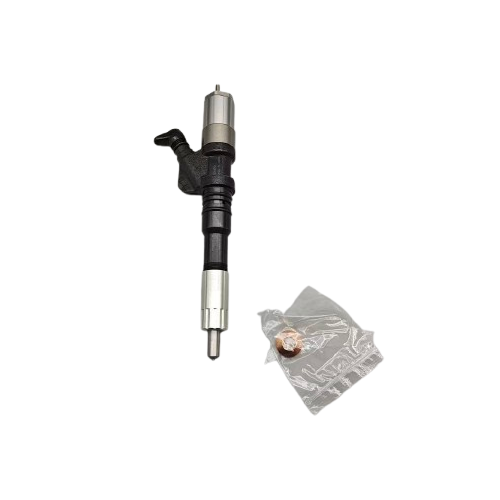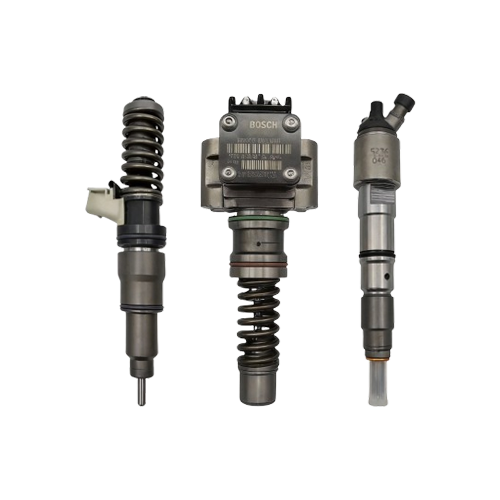
Diesel Engine Hot Restart Problems: Diagnosing Heat-Soak Injector Failure & No-Start After Shutdown

Diesel Engine Hot Restart Problems: Diagnosing Heat-Soak Injector Failure & No-Start After Shutdown

When the Engine Starts Cold But Won’t Restart Hot

It’s one of the most frustrating diagnostic puzzles in diesel repair: the engine fires up perfectly on a cold morning, runs smoothly for hours, but after shutting down for a fuel stop or job-site break, it cranks and cranks without firing — or fires briefly and stalls. Wait 30–45 minutes for the engine to cool down, and it starts right up again. This heat-soak no-start or hard-start pattern is a classic signature of injector-related problems that only manifest at elevated temperatures.

This article explains the physics behind heat-soak injector failure, the specific failure modes that cause hot restart problems, how to systematically diagnose them, and how to differentiate injector-related hot-start issues from other causes (fuel system vapor lock, weak battery, starter heat soak, and sensor drift).

The Physics of Heat-Soak

When a diesel engine is shut down hot — immediately after a hard pull or extended operation at operating temperature — the temperature of the cylinder head, injectors, and fuel system continues to rise for 5–15 minutes after shutdown. This is “heat soak”: the residual heat from the combustion chambers, exhaust manifold, and turbocharger conducts into the cylinder head and surrounding components with no coolant circulation or airflow to carry it away.

Peak heat-soak temperatures typically occur 10–20 minutes after shutdown and can reach 20–40°C (36–72°F) above the normal operating temperature of the cylinder head. The injector tip, positioned directly in the combustion chamber, can reach temperatures high enough to affect the injector’s internal clearances, fuel properties, and electrical characteristics.

Injector Failure Modes That Cause Hot Restart Problems

1. Internal Clearance Binding (Thermal Expansion)

The most common injector-related heat-soak failure mechanism. The injector plunger (in MEUI/EUI systems) or control valve spool (in common rail systems) operates with clearance of 2–5 microns (0.002–0.005 mm) — roughly 1/20th the thickness of a human hair. At elevated temperatures, differential thermal expansion between the plunger material (hardened steel) and the injector body (alloy steel) closes this clearance.

If clearance goes to zero or negative: The plunger or spool binds in its bore. The solenoid or piezo actuator cannot generate enough force to overcome the binding friction. The injector either doesn’t open at all, or opens late and closes early, delivering insufficient fuel for combustion.

Diagnostic signature: Engine cranks and builds rail pressure normally, but one or more cylinders don’t fire. Scan tool shows normal rail pressure during cranking but injector activation is either absent or insufficient. After cooldown, everything returns to normal.

Root causes: Injector body bore wear from contaminated fuel or abrasive particles. As the bore wears, clearance increases when cold — but the worn surface has lost its precision geometry, and thermal expansion closes the remaining clearance unevenly. A worn injector may actually test within specification when cold but fail the hot test on a calibration bench.

2. Solenoid Coil Resistance Drift (Electrical Heat-Soak)

Injector solenoids use copper wire windings whose electrical resistance increases with temperature according to the temperature coefficient of copper: approximately +0.393% per degree Celsius. At 120°C (a realistic heat-soak solenoid temperature), the coil resistance is roughly 35% higher than at 20°C.

Why this matters: The solenoid’s opening force depends on the magnetic field strength, which depends on the current through the coil. At higher resistance, the same voltage produces less current → weaker magnetic force → slower armature movement. If the armature moves too slowly, the injector opens late or not at all within the ECU’s expected timing window.

Diagnostic signature: Gradual onset — the engine may start hot but with extended crank time, or it may fire on 3–4 cylinders and take several seconds for all cylinders to begin firing. The problem is worst after a 15–20 minute hot soak (peak temperature) and improves if the engine is restarted immediately after shutdown (before soak occurs).

Differentiating from mechanical binding: Coil resistance problems affect all injectors equally (assuming similar age/condition). Mechanical binding typically affects one or two injectors with the most bore wear.

3. Fuel Viscosity Drop and Internal Leakage

Hot fuel has dramatically lower viscosity than cold fuel. At 80°C, diesel fuel viscosity is approximately 1.5–2.0 cSt — roughly 1/3 of its value at 20°C. Lower viscosity means fuel flows more easily through internal clearances inside the injector — including clearances that are meant to seal.

Internal leakage path: In a common rail injector, fuel at rail pressure (up to 2,500+ bar) is present at the injector inlet during cranking. A small amount of internal leakage past the control valve or nozzle needle guide is normal and accounted for in the injector’s design. But as these wear surfaces deteriorate over time, the leakage at high temperature (low viscosity) increases to the point where:

  • Insufficient pressure builds in the control chamber to lift the nozzle needle
  • Excessive return flow overwhelms the fuel system’s ability to maintain rail pressure during cranking

Diagnostic signature: Rail pressure during cranking is lower than specified (e.g., 200–300 bar when 350+ bar is needed for starting). Once the engine starts (after cooldown), rail pressure and return flow return to normal. An injector return flow test performed when the engine is hot shows significantly higher return flow than the same test performed cold.

4. Control Valve Seat Leakage (Hot Fuel Effect)

The injector’s control valve — a precision ball or plate valve that controls pressure in the nozzle control chamber — seals against a hardened seat. When the valve and seat are in perfect condition, the seal is metal-to-metal and virtually leak-free. As the seat wears (erosion from high-pressure fuel flow, cavitation damage, or particle impact), microscopic leakage paths form.

At normal operating temperature, the metal components have expanded and partially closed these paths. But during heat-soak, the temperature rises above normal, and differential expansion between the valve and seat can actually reopen the leakage paths if the two components are made of different materials or have different thermal masses.

Diagnostic signature: Engine starts hot but runs rough for 10–30 seconds before smoothing out. The leakage reduces as the injector body temperature equalizes and the components stabilize at their operating clearances.

Systematic Diagnostic Procedure

  1. Confirm the pattern: Document exactly when the problem occurs — after how many minutes of hot soak? Does an immediate restart work? Does the problem improve after exactly 30 minutes of cooldown? This timing distinguishes injector heat-soak from other problems
  2. Scan tool data during hot crank: Monitor rail pressure, engine RPM during cranking (should be 150–250 RPM minimum), and injector activation status. Low rail pressure points to internal leakage or PRV problem. Normal rail pressure but no start points to clearance binding or solenoid problems
  3. Hot injector return flow test: Immediately after shutdown (within 2–3 minutes), measure return flow from each injector individually. Compare to cold test results. A significant increase in return flow when hot points to internal clearance leakage or control valve seat leakage
  4. Injector solenoid resistance measurement: Immediately after a hot restart attempt, measure coil resistance at each injector connector. Compare to cold resistance. A cold reading of 0.5–1.0 ohms may increase to 0.8–1.4 ohms when hot — the absolute value matters less than the consistency across cylinders. One injector with significantly different resistance points to a solenoid problem
  5. Cool-down spray test (diagnostic hack): After a failed hot restart, spray a specific injector body with electronic parts cooler (or a CO2 fire extinguisher — carefully) while cranking. If the engine fires on that cylinder as the injector cools, you’ve identified the problem injector

Non-Injector Causes (Rule These Out First)

Cause Key Difference from Injector Heat-Soak
Fuel system vapor lock (mechanical pump engines) Affects all cylinders; cranking rail/supply pressure zero or very low; often accompanied by fuel leaks at suction-side connections
Weak battery / starter heat-soak Cranking RPM drops below 150; starter solenoid clicks or chatters. Battery voltage during crank drops below 9.5V
Crankshaft position sensor heat failure No RPM signal during cranking (scan tool shows 0 RPM while cranking). Engine won’t start cold either once sensor has failed — unlike injector problems which are temperature-cycling dependent
ECU / power relay thermal failure No injector activation at all (scan tool shows all injectors inactive). MIL illuminates; multiple communication and sensor circuit codes set
Fuel pressure regulator (FPR) heat binding Rail pressure during cranking is too high (FPR stuck closed) or too low (FPR stuck open). Affects all cylinders uniformly

Disclaimer: Hot restart diagnostic procedures involve working on or near a hot engine. Use appropriate heat-resistant gloves and exercise caution around the exhaust manifold, turbocharger, and hot coolant lines. The “cool-down spray” diagnostic technique is a shop expedient — proper diagnosis should be performed with scan tool data and injector bench testing.