The Ultimate Guide: How to Clean a Fuel Injector Nozzle (5 Methods)
Is your engine suffering from rough idles, poor acceleration, or decreased fuel economy? These common symptoms often point to one critical yet overlooked component: a dirty or clogged fuel injector nozzle. Over time, carbon deposits, varnish, and other contaminants from fuel can build up on the injector’s precision nozzle, disrupting the vital fuel spray pattern. This guide provides a comprehensive, step-by-step look at 5 effective methods to clean your fuel injectors, helping you restore engine performance, improve emissions, and avoid costly replacements. Whether you’re a DIY enthusiast or a professional mechanic, you’ll find the right solution here.
Why a Clean Fuel Injector Nozzle is Critical
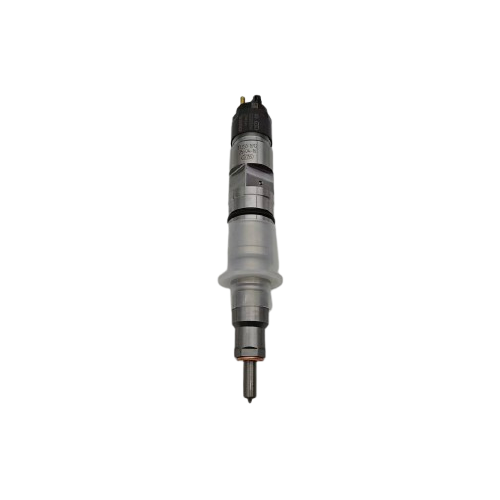
The fuel injector nozzle is the final gatekeeper of your engine’s combustion process. Its job is to atomize fuel into a fine, consistent mist for optimal mixing with air. A clogged or dirty nozzle disrupts this spray pattern, leading to:
- Incomplete combustion and reduced engine power.
- Increased fuel consumption and higher operating costs.
- Rough idling and engine misfires.
- Elevated hydrocarbon emissions, failing modern emissions tests. Regular maintenance and timely cleaning of your fuel injector assembly are key to preventing these issues and extending the life of your engine.
Method 1: Using Fuel Additives (The Easiest DIY Approach)
This is the simplest, least invasive method, ideal for preventive maintenance or mild cases of injector fouling.
How it works: High-quality fuel system cleaners contain potent detergents and solvents that dissolve carbon deposits and varnish as you drive. The cleaner mixes with your fuel, passes through the injectors, and breaks down contaminants.
Step-by-Step Process:
- Purchase a reputable fuel injector cleaner from an automotive store.
- With your tank near empty, add the entire bottle of cleaner to your fuel tank.
- Fill the tank with premium-grade gasoline or diesel to ensure proper mixing.
- Drive normally for at least 100 miles to allow the cleaner to circulate and work through the entire system.
Best for: Mild maintenance, preventative care, and slight performance recovery. For heavily soiled injectors, more intensive methods are required.
Method 2: In-Place Professional Cleaning (Without Removal)
Also known as a “fuel rail cleaning” or “on-car service,” this method is performed by mechanics using specialized equipment. It’s more powerful than additives alone.
Tools Needed: Professional fuel system cleaning machine.
The Process:
The mechanic disconnects the vehicle’s fuel pump and connects the cleaning machine directly to the fuel rail. The machine pumps a pressurized, high-concentration cleaning solvent through the injectors while the engine is run at different RPMs. This provides a deep, direct clean without removing the injectors.
Advantages: More thorough than bottled additives, and it cleans the entire upstream fuel delivery path. It’s a great service to consider during a major tune-up. If you’re diagnosing a potential issue, our blog on common fuel injector failure symptoms can help confirm your suspicions first.
Method 3: Manual Cleaning with Solvent & Brushes (For Removed Injectors)
This hands-on method is for those who have removed the injectors from the engine. It requires patience and care to avoid damaging the delicate nozzle.
Required Tools & Safety Gear: Safety glasses, gloves, injector cleaning solvent, soft-bristle brushes (like a toothbrush), compressed air, and a 9-volt battery for actuation.
Step-by-Step Guide:
- Remove the fuel injectors from your engine following a service manual.
- Safety First: Wear gloves and eye protection. Work in a well-ventilated area.
- External Cleaning: Spray solvent on the injector body and use a soft brush to remove external grime. Pay special attention to the nozzle tip and filter basket.
- Internal Flushing: Using a specialized kit or carefully applying solvent, flush cleaner through the injector’s inlet. A small 9-volt battery can be used to briefly “tick” the injector open to allow flow.
- Dry and Inspect: Use compressed air to dry all passages thoroughly. Inspect the nozzle for any remaining debris.
Pro Tip: This method is effective for external and coarse internal cleaning but may not reach deeply ingrained deposits in the microscopic nozzle orifices.
Method 4: Ultrasonic Cleaning (The Professional-Grade Solution)
Ultrasonic cleaning is the gold standard for restoring heavily clogged fuel injectors. It uses high-frequency sound waves in a cleaning bath to create microscopic cavitation bubbles that implode, blasting away contaminants from every surface.
Why It’s Superior:
- Reaches internal passages and tiny nozzle holes that brushes cannot.
- Removes stubborn carbon buildup and varnish completely.
- Non-abrasive and safe for all injector materials.
The Professional Process:
- The injector is fully disassembled, and seals are removed.
- It is placed in a basket and submerged in a heated, specialized ultrasonic cleaning solution.
- The ultrasonic machine runs for 15-30 minutes.
- The injector is rinsed, dried with compressed air, and new seals/o-rings are installed.
- The final, critical step is flow testing on a bench to verify spray pattern and flow rate match specifications.
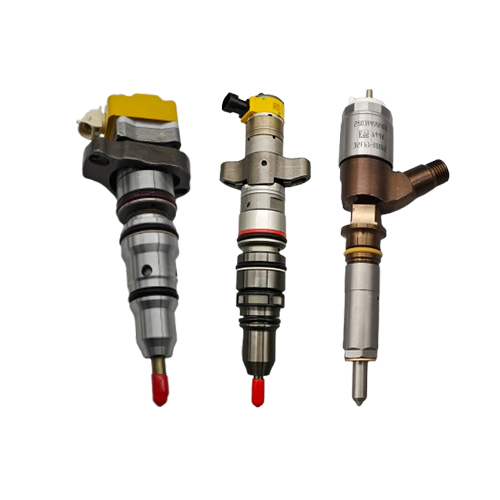
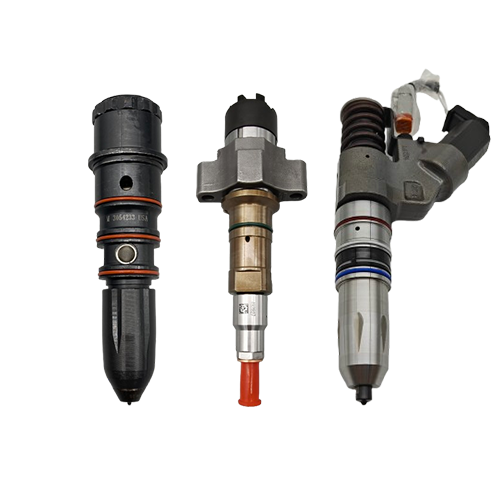
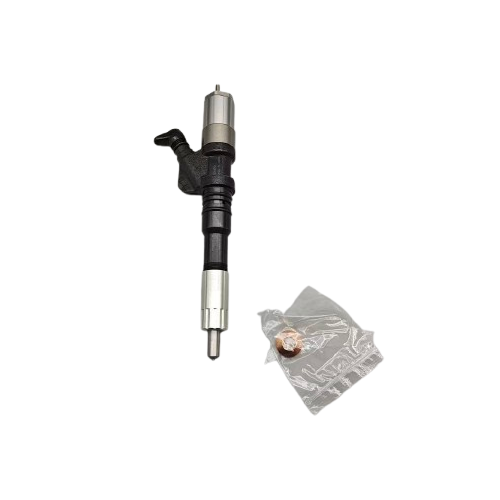
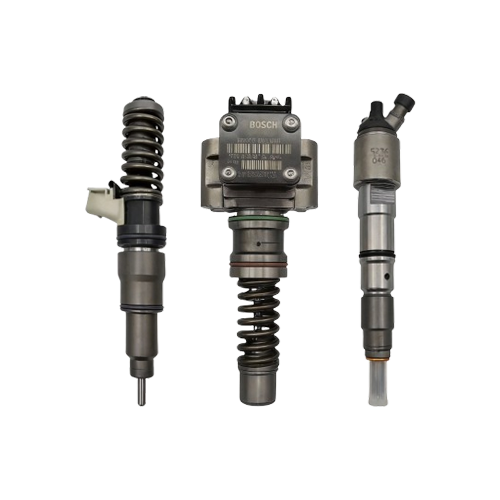
For many Cummins, Caterpillar, or Bosch fuel injectors, this level of cleaning can be as effective as buying a new unit. Browse our selection of ultrasonic cleaning-compatible fuel injectors to see models that are perfect candidates for this service.
Method 5: When Cleaning Isn’t Enough: Replacement
Despite your best efforts, some fuel injectors are beyond cleaning. Physical damage, electrical failure, or extreme wear mean replacement is the only reliable option.
Signs You Need a Replacement, Not a Clean:
- The injector is mechanically stuck open or closed.
- There is visible physical damage or corrosion.
- Electrical resistance tests are outside the specified range.
- After professional cleaning and testing, the flow is still inconsistent or low.
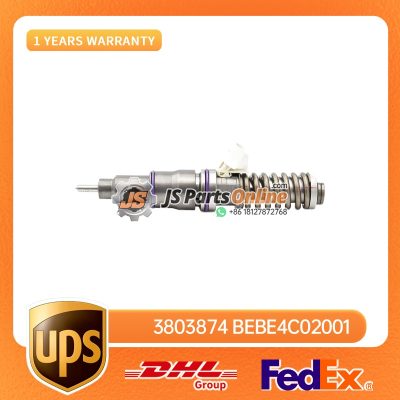
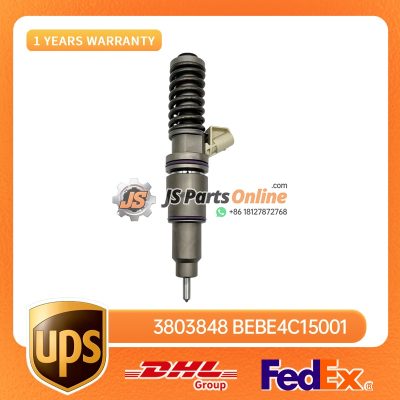
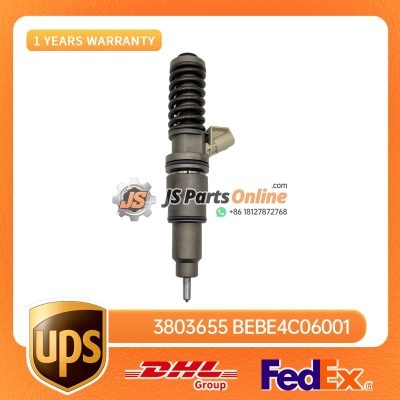
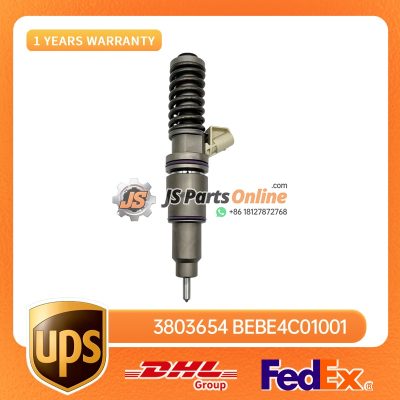
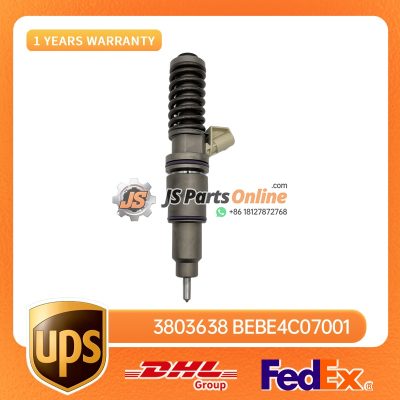
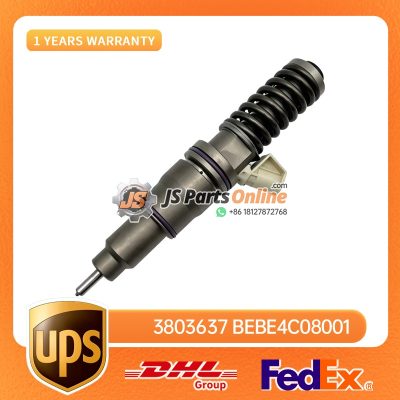
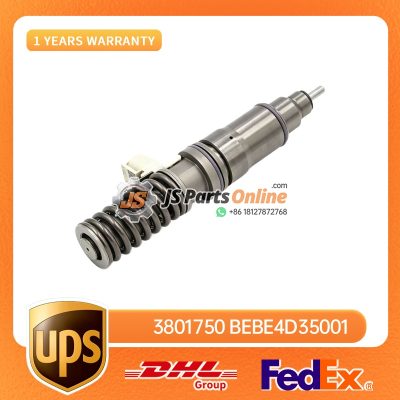
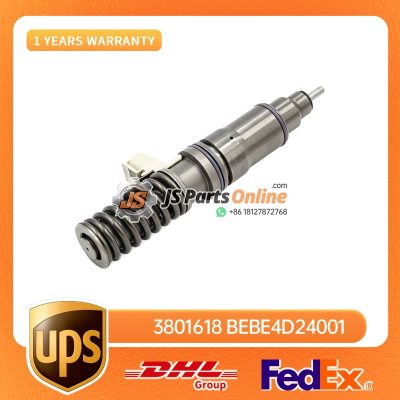
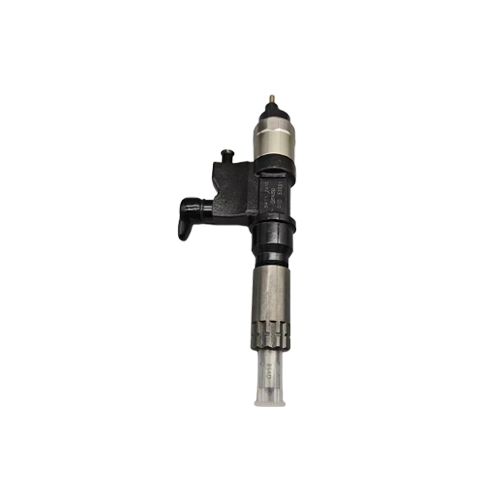
Choosing a Replacement: Always opt for high-quality, OEM-specification parts. At JSPartsonline, we supply a wide range of reliable injectors for heavy machinery and industrial engines. Explore our full catalog of diesel fuel injectors to find the exact match for your engine model. Our 12 years of export experience ensures you get parts you can trust.
Conclusion: Choosing the Right Method for You
The best cleaning method depends on the severity of clogging and your resources.
- For maintenance, use a fuel additive every 5,000 miles.
- For noticeable performance drops, consider a professional in-place cleaning.
- For severe cases or during an overhaul, ultrasonic cleaning is the most effective mechanical solution.
- When an injector is failed, replacement with a quality part is the surest fix.
Regular fuel system maintenance, including using quality filters and fuel, is the best way to prevent nozzle clogging in the first place.
Need a High-Performance Replacement Fuel Injector?
Has cleaning reached its limit, or are you looking for a reliable new injector from the start? JSPartsonline is your trusted source for OEM-quality fuel system components. Contact our expert team today for a quote or to get personalized advice for your specific engine model. Let us help you restore optimal power and efficiency.