The Hidden Cost of Worn Fuel Injectors: Quantifying Performance Loss & Efficiency Drain
Is your vehicle not quite as quick as it used to be? Has your fuel mileage slowly declined over the past year? You might blame aging spark plugs or a dirty air filter, but there’s a high-probability culprit that often goes unnoticed: worn fuel injectors. Unlike a sudden failure, wear is a gradual, silent thief of performance and efficiency. This article moves beyond simple symptom lists to quantify the real-world impact. We’ll explain how wear inside an injector translates directly into measurable losses of horsepower, torque, and fuel economy. You’ll learn how to benchmark your engine’s current state and understand the tangible benefits of restoring your fuel injection system to optimal condition.
How Fuel Injectors Wear: The Internal Deterioration
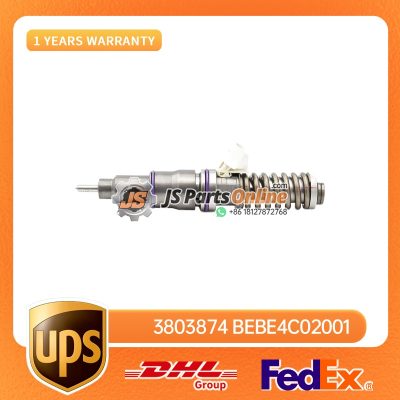
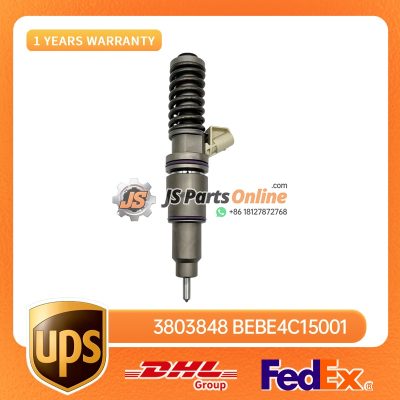
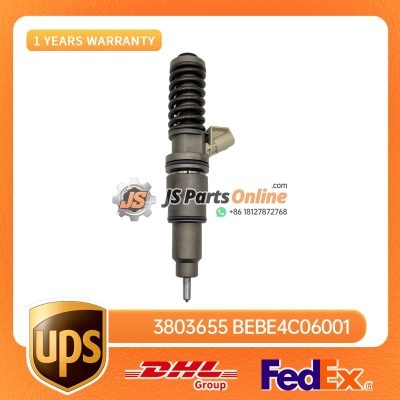
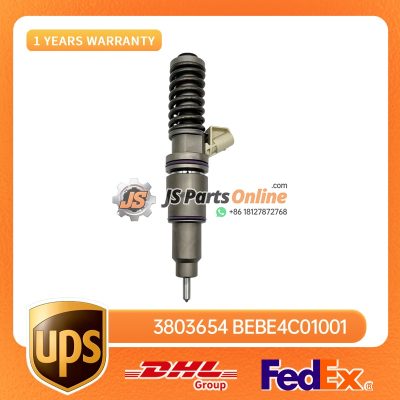
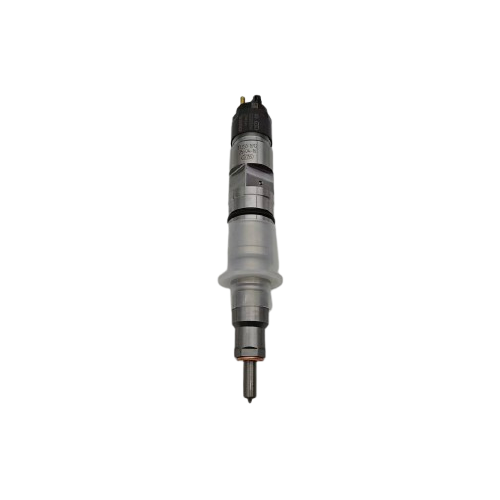
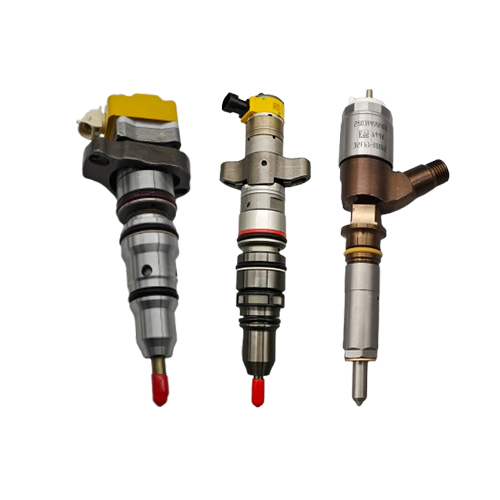
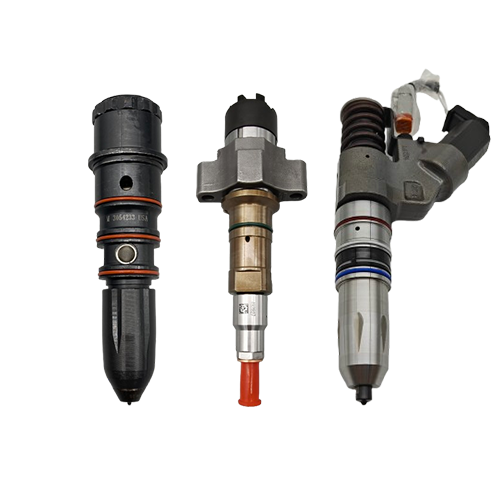
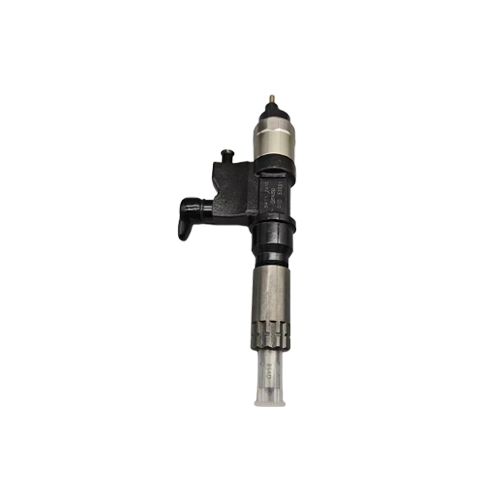
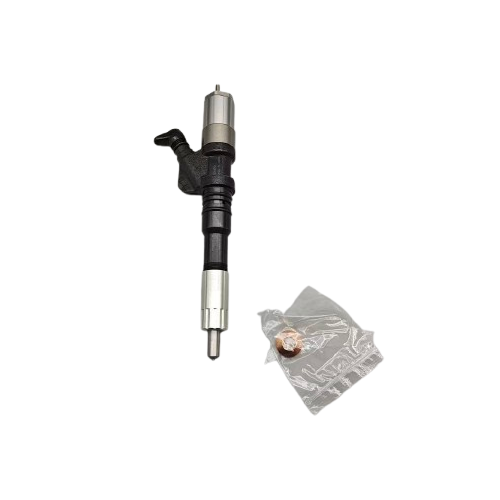
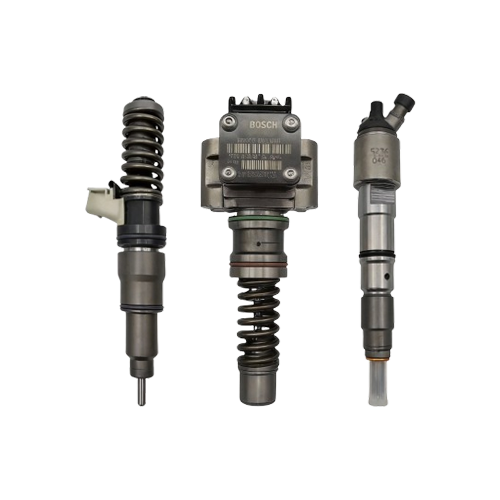
Fuel injectors are high-precision mechanical and electrical devices. Over hundreds of millions of cycles, key internal components experience subtle but cumulative wear:
- Nozzle & Needle Valve Erosion: High-velocity fuel and microscopic contaminants act like sandblasters, gradually enlarging the nozzle orifices and wearing the precision sealing surface between the needle and its seat. This leads to a degraded spray pattern and increased internal leakage.
- Solenoid Coil Degradation: Heat cycles and electrical stress can slowly change the resistance and response characteristics of the solenoid coil, affecting the precise timing of the injector’s opening and closing.
- Spring Fatigue: The return spring that snaps the needle shut weakens over time, potentially slowing closure and contributing to after-drip.
This wear doesn’t happen overnight. It’s a slow drift away from factory specifications, which is why the performance loss feels so gradual.
The Performance Equation: From Wear to Lost Power
The engine’s power output is a direct function of complete, efficient combustion. Worn injectors disrupt this process in two measurable ways:
- Poor Atomization (Spray Pattern Degradation): A worn or dirty nozzle cannot create the fine, conical mist required for optimal air-fuel mixing. Larger fuel droplets burn slower and less completely. Result: A significant portion of the fuel’s chemical energy is wasted as heat in the exhaust or unburned hydrocarbons, rather than being converted into pressure on the piston.
- Flow Imbalance (Cylinder-to-Cylinder Variance): As injectors wear, they do so at different rates. One cylinder may receive 2% more fuel, while another receives 3% less. This imbalance causes uneven cylinder pressures. The Engine Control Unit (ECU) can only adjust fuel trims globally, not per cylinder to perfectly correct this. The engine runs in a compromised state to protect itself, often pulling timing. Result: The engine’s smoothness and total power output are reduced.
Quantifying the Loss: It is not uncommon for a set of moderately worn injectors to cause a 3-7% loss in measured wheel horsepower and torque. In a 300 horsepower engine, that’s 9-21 horsepower you’re simply not accessing. This degradation is often felt as a lack of “pep” or a need for more throttle to maintain highway speed.
The Efficiency Drain: How Wear Wastes Your Fuel
Performance and efficiency are two sides of the same coin. Incomplete combustion from poor atomization means you need to inject more fuel to achieve the same power output.
- The Compensation Cycle: The engine’s oxygen sensors detect a lean condition (from poor combustion) and signal the ECU to add fuel. This creates a vicious cycle: worn injectors cause inefficient combustion, so the ECU adds more fuel, which only partially fixes the issue while increasing consumption.
- Quantifying the Loss: A consistent drop in fuel economy of 1-3 MPG (or a 5-10% increase in Liters/100km) is a classic signature of worn or dirty injectors. For a vehicle driven 15,000 miles per year, a 2 MPG loss can mean an extra 50+ gallons of fuel annually—money literally vaporized through the tailpipe.
How to Diagnose and Measure the Wear
Don’t rely on feeling alone. Use data to confirm your suspicions:
- Track Your Fuel Economy Rigorously: Use a fuel log app or your vehicle’s trip computer over several tanks of consistent driving. A steady, unexplained decline is a major red flag.
- Perform a Power Balance Test: This function on professional-grade scan tools (like Autel, Snap-on) deactivates one injector at a time and measures the RPM drop. A cylinder with a weak or clogged injector will show a noticeably smaller RPM drop, identifying the underperformer. This test is a core part of our comprehensive fuel injector diagnostic methodology.
- Analyze Live Data: Monitor long-term fuel trims at idle and cruise. Consistently high positive trims (+10% or more) indicate the ECU is constantly adding fuel to compensate for a problem, such as injectors not delivering enough flow.
- Professional Flow Bench Testing: The only definitive way to measure wear. Removed injectors are tested for:
- Static Flow Rate: How much they deliver at a set pulse width. Worn injectors will flow outside their specification (often more).
- Dynamic Flow & Balance: How evenly they flow compared to each other. Variance should be less than 1-2%.
- Spray Pattern Visualization: A direct look at atomization quality.
The Restoration Solution: Clean vs. Replace
Once wear is identified, you have a decision tree:
- If the primary issue is deposits (carbon, varnish): Professional ultrasonic cleaning and testing can often restore flow and pattern to like-new. This is a cost-effective solution for injectors with substantial life left, as detailed in our ultrasonic cleaning guide.
- If testing confirms mechanical wear (out-of-spec flow, bad pattern after cleaning): The injectors are worn out. Replacement is the only solution. For high-mileage engines, replacing with a matched set is critical to restore balance. Our guide on when to replace vs. clean provides a clear framework for this decision.
The ROI of Precision: What You Gain by Restoring Your Injectors
Investing in injector service or replacement isn’t just a repair—it’s a performance and efficiency upgrade.
- Restored Power & Throttle Response: Regain lost horsepower and torque. The engine feels alive again, with immediate response to throttle inputs.
- Improved Fuel Economy: Return to (or even exceed) your vehicle’s original MPG ratings, saving money every mile.
- Smoother Operation: Balanced fueling eliminates subtle vibrations and roughness, especially at idle.
- Reduced Emissions: Complete combustion means fewer unburned hydrocarbons, making your vehicle cleaner and more likely to pass emissions tests.
- Long-Term Engine Protection: Proper atomization reduces carbon buildup on pistons and valves, and correct cylinder pressures reduce undue stress on components.
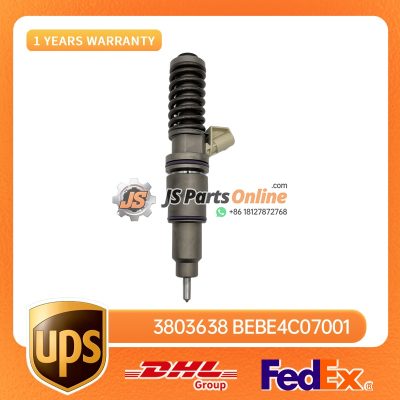
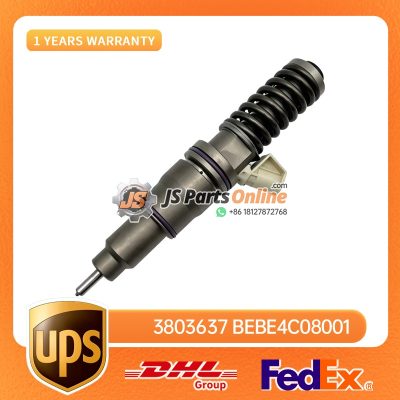
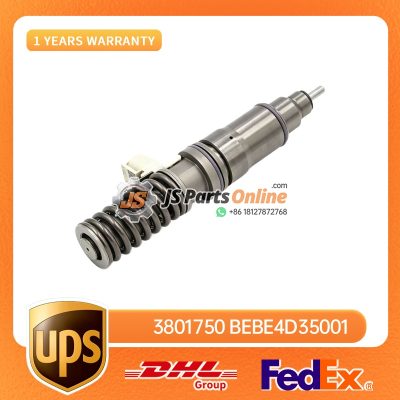
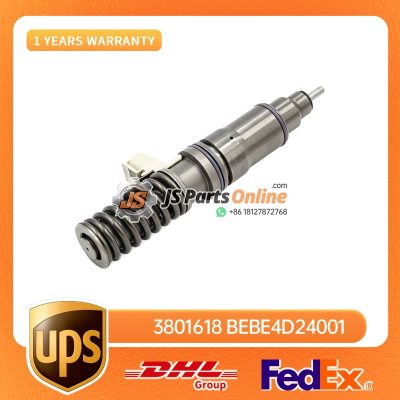
Choosing the right parts is key to this restoration. For reliable, specification-matched performance, explore our range of OEM-specification fuel injectors.
Conclusion: Your Performance is a Measurement, Not a Mystery
The gradual decline in your vehicle’s vigor and efficiency is not an inevitable mystery of aging. It is frequently a measurable, quantifiable result of fuel injector wear. By understanding the direct link between internal wear and external performance, you can move from guessing to data-driven diagnosis. The decision to service or replace your injectors becomes an investment with a clear, calculable return: restored power, recovered fuel savings, and the return of the driving experience your engine was designed to deliver.
Measure Your Loss, Then Restore Your Gain.
Don’t accept gradual decline as normal. Use the diagnostics outlined here to assess your injectors. If they are the bottleneck, JSPartsonline provides the high-precision components and expert guidance to return your engine to its full potential.
Ready to quantify and reclaim your performance? Find the right injectors or cleaning solution for your engineor contact our performance specialistsfor a data-driven recommendation.