
Fuel Pump & Injector Relationship: Why This Critical Duo Determines Engine Health
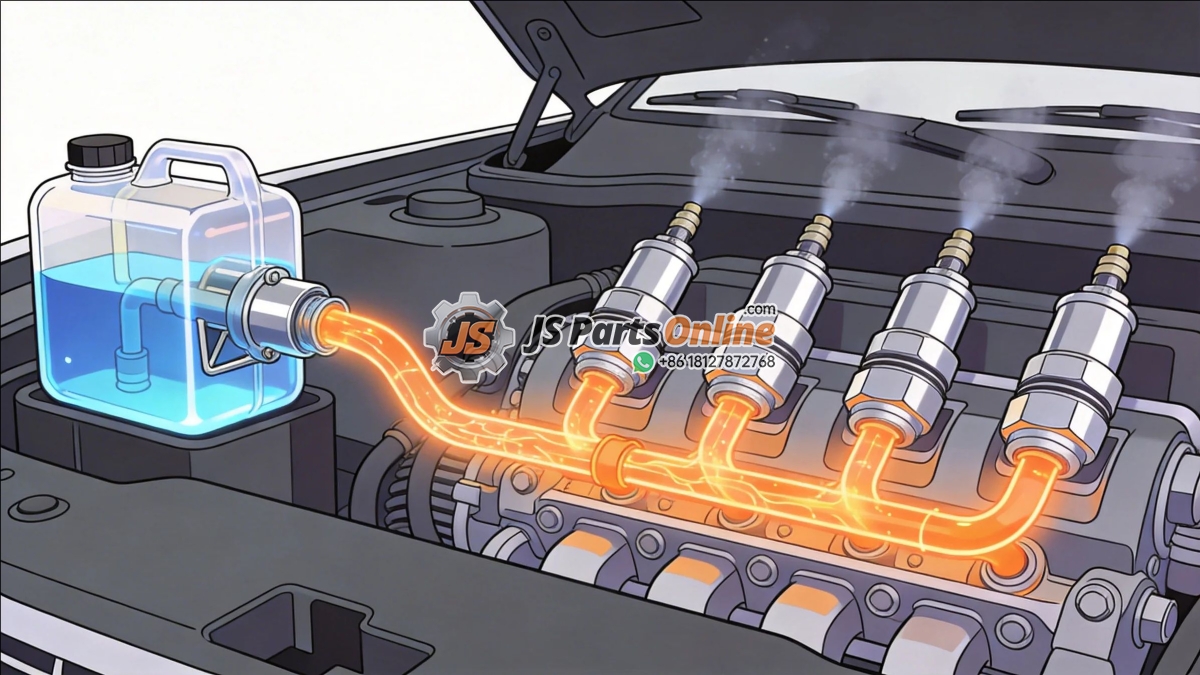
Diagnosing an engine performance problem often leads to a familiar question: “Is it the fuel pump or the injectors?” The answer is rarely simple because these two components are not independent parts; they are intrinsically linked members of a high-pressure team. The fuel pump and fuel injectors operate in a delicate, pressurized symbiosis. One cannot function correctly without the other. This guide will clarify their critical relationship, explaining how a failure in one often stresses or mimics a failure in the other. You’ll learn to interpret symptoms more accurately, perform targeted tests to isolate the real culprit, and understand why protecting this duo is essential for optimal engine performance, efficiency, and longevity.
The Symbiosis: Pump as Heart, Injectors as Precision Valves
Think of your vehicle’s fuel system as a circulatory system:
- The Fuel Pump (The Heart): Its sole job is to create and maintain sufficient fuel pressure and volume flow throughout the system. It draws fuel from the tank and delivers it to the fuel rail under specific pressure.
- The Fuel Injectors (The Control Valves): Their job is to act as precision-engineered, computer-controlled gates. They open for milliseconds at a precise time to meter a specific amount of the pressurized fuel provided by the pump, atomizing it into the engine.
The Fundamental Rule: Injectors can only deliver the fuel that the pump supplies. Even a perfect injector is useless without adequate pressure and flow from the pump.
How a Failing Fuel Pump Damages Injectors
A weak or failing pump doesn’t just cause poor performance—it can actively lead to injector failure.
- Low Fuel Pressure:
- The Problem: The pump cannot maintain the pressure specified by the manufacturer (e.g., 50 PSI for port injection, 500+ PSI for GDI, 20,000+ PSI for diesel).
- Impact on Injectors: With low pressure, fuel is not forced through the injector nozzles with enough energy to properly atomize. The spray pattern becomes a dribble or stream. This causes:
- Incomplete Combustion: Leading to power loss, rough idle, and increased carbon deposits on the injector tips themselves.
- Lean Condition & Engine Damage: The engine may run dangerously lean, causing excessive heat. The ECU may overwork the injectors by holding them open longer to compensate, stressing their electrical components.
- Diesel-Specific Damage: In common-rail diesels, low pressure from the high-pressure pump can cause catastrophic injector and engine damage due to poor lubrication and cooling of the injectors.
- Insufficient Fuel Volume:
- The Problem: The pump delivers adequate pressure at idle but cannot supply enough fuel volume (gallons per hour) when the engine demands it under load (e.g., acceleration, towing).
- Impact on Injectors: The fuel rail pressure drops when the injectors are firing frequently. The injectors are starved of fuel, causing a lean condition and power loss. This is often mistaken for clogged injectors. A proper fuel volume test is needed to diagnose this, as outlined in our comprehensive fuel system diagnostic guide.
- Contaminant Delivery:
- The Problem: A failing pump can shed internal metal particles or debris into the fuel stream.
- Impact on Injectors: These abrasive particles travel at high speed through the injectors’ precision nozzle holes and tight-tolerance internal components, acting like sandpaper and causing rapid wear. This underscores why a clean fuel filter is the best protector of both the pump and injectors, a key point in our preventive maintenance philosophy.
How Failing Injectors Can Stress the Fuel Pump
The relationship works both ways. Faulty injectors place an abnormal demand on the pump.
- Leaking Injectors:
- The Problem: An injector that leaks internally (dripping into the cylinder) or externally bypasses fuel.
- Impact on the Pump: The pump must work constantly to maintain system pressure against this leak, even when the engine is off. This leads to extended pump run time, overheating, and premature wear. A leak-down test can identify this issue.
- Stuck-Open Injector:
- The Problem: An injector is mechanically stuck open, flooding a cylinder.
- Impact on the Pump: This creates a massive, uncontrolled fuel leak. The pump may run at maximum capacity trying to keep up, leading to rapid burnout. This is a severe failure mode that stresses the entire system.
Diagnosis: Isolating the Pump vs. the Injector
When experiencing drivability problems, follow this logical diagnostic sequence to identify the root cause:
Step 1: Check Fuel Pressure (The First Test)
- Why: This is the most important test. You must verify the pump is providing the correct foundation.
- How: Connect a mechanical fuel pressure gauge to the service port on the fuel rail. Compare readings at key-on, idle, and under load (with a pressure snubber for safety) to factory specifications. If pressure is low, the pump or its regulator is the prime suspect. Do not proceed to injector testing until fuel pressure is confirmed.
Step 2: Check Fuel Volume
- Why: To determine if the pump can meet demand.
- How: Disconnect the fuel return line (or use a specific volume test port) and direct flow into a graduated container. Measure the volume delivered in a set time (e.g., 1 pint in 30 seconds). Compare to spec. Low volume points to a weak pump or clogged filter.
Step 3: Perform Injector-Specific Tests (After Pressure/Volume are Confirmed)
- Why: Only after establishing that the pump is delivering good pressure and volume can you confidently test the injectors.
- How: Use a scan tool for a power balance test to identify weak cylinders. Perform an injector leak-down test to find leaking units. Use a multimeter to check injector solenoid resistance. For conclusive evidence, remove and perform a flow bench and pop test. This step-by-step approach is detailed in our guide on when to definitively replace injectors.
The Maintenance Link: Protecting the Duo
The health of the pump and injectors is best preserved through shared maintenance practices:
- Change Your Fuel Filter Religiously: This is the #1 action. A clean filter protects the pump from debris and ensures only clean fuel reaches the injectors.
- Keep Your Fuel Tank Above 1/4 Full: The in-tank electric fuel pump uses fuel for cooling. Running the tank consistently low can overheat the pump, shortening its life and risking pump failure that can send debris to the injectors.
- Use Quality Fuel: Top-tier gasoline and clean, dry diesel prevent internal corrosion and deposit formation in both components.
- Address Problems Immediately: A rough idle or hesitation is a warning. Prolonged operation with a faulty component stresses its partner, potentially turning one repair into two.
Replacement Strategy: A Systems Approach
When replacement is necessary, think systemically:
- If Replacing a High-Pressure Pump (Diesel or GDI): Strongly consider replacing the fuel filter and inspecting the fuel injectors. Debris from a failing pump often contaminates the downstream components. A professional cleaning or inspection of the injectors is a wise precaution.
- If Replacing Multiple or All Injectors: This is an ideal time to replace the fuel filter. Also, verify that the fuel pump pressure and volume are still within specification. Installing new injectors on a weak pump will yield poor results and may damage the new injectors.
Conclusion: Performance is a Team Effort
Maximizing your engine’s performance and reliability requires viewing the fuel pump and injectors as an interdependent team. The pump provides the pressurized potential energy; the injectors convert it into precisely controlled action. Diagnosing issues within this system requires a methodical approach, always starting with verifying the pump’s output. By maintaining this duo with clean fuel and filters, and addressing problems holistically, you ensure that every drop of fuel is efficiently converted into smooth, reliable power.
Maintain the Integrity of Your Fuel System Team.
Whether you need a high-performance fuel pump, a set of precision-matched injectors, or the filters that protect them, JSPartsonline supplies the components that ensure this critical partnership operates flawlessly.
Diagnose with confidence and repair with systems in mind. Find the right fuel pump, injectors, and maintenance parts in our catalogor contact our technical support teamfor help diagnosing your fuel system issues.


JSPartsonline:
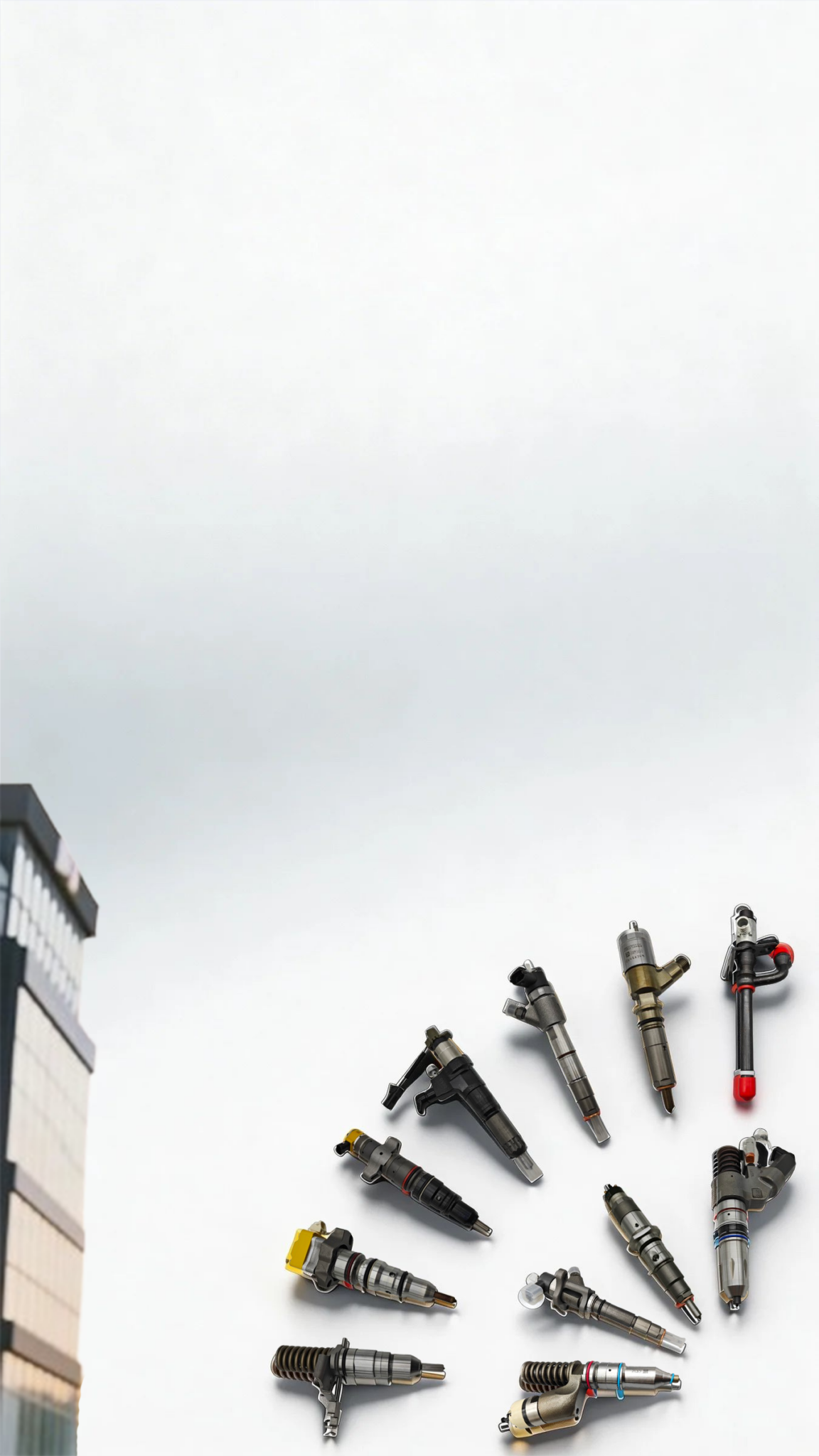
Focus on injectors for 12 years,We sell high-quality fuel injectors at competitive prices.
Copyright 2025 © YUN·X . All right reserved.
