Cummins Fuel Injectors: A Technical Guide to Design, Common Failures & Maintenance
Cummins diesel engines are the backbone of global industry, powering everything from long-haul trucks to construction sites and generator sets. At the heart of every Cummins engine’s legendary performance and durability is its fuel injection system. For owners, operators, and technicians, understanding the specific design, evolution, and failure modes of Cummins fuel injectors is critical for maintaining uptime, performance, and lower total cost of ownership. This brand-specific guide traces the technological journey of Cummins injection systems, explains the key features of their modern injectors, details the most common failure symptoms and causes, and provides targeted maintenance advice to keep your Cummins engine running strong for hundreds of thousands of miles.
The Evolution of Cummins Fuel Injection: From PT to High-Pressure Common Rail
Cummins’ history is a history of injection innovation. Understanding this evolution helps in diagnosing and maintaining engines across decades.
- PT (Pressure-Time) Fuel System (Older Engines, e.g., N14, M11):
- The Basics: A unique, fully mechanical system. Fuel is supplied to the injectors at a constant, moderate pressure by a gear pump. The amount of fuel injected is determined by the time the injector’s metering orifice is open, which is controlled by camshaft-actuated pushrods.
- Injector Role: The PT injector is both a meter and an injector. It requires precise calibration and setting. Failure to follow the exact installation and torque procedure leads to immediate performance issues or engine damage.
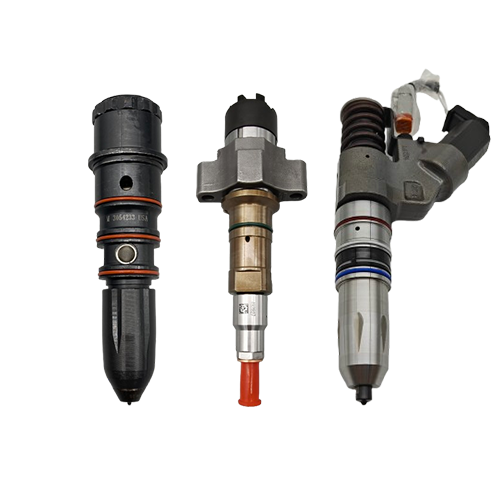
- Key Identifier: PT injectors have external fuel lines and are actuated by the engine’s rocker arms.
- Cummins CAPS (Cummins Accumulator Pump System) & HPI (High-Pressure Injection):
- The Transition: An electronically controlled, unit pump system used in late 1990s/early 2000s engines (e.g., ISB, ISC, ISL). An electronic control module (ECM) controlled solenoid valves on individual unit pumps, which created high pressure for each injector.
- Common Issues: CAPS/HPI systems were prone to issues with the actuator coils on the unit pumps and could suffer from fuel leakage. Diagnostic capabilities improved significantly over PT systems.
- High-Pressure Common Rail (HPCR) – The Modern Standard (ISX, QSX, ISB6.7, etc.):
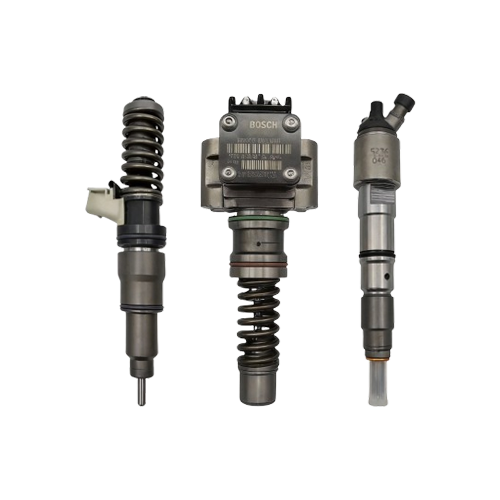
- The Technology: Used in all modern Cummins engines. A high-pressure pump supplies fuel at extreme pressure (up to 35,000+ psi in XPI systems) to a common rail. Electronically controlled solenoid or piezo injectors then draw from this rail. This allows for multiple injection events per cycle, enabling incredible power, efficiency, and low emissions.
- XPI (Extreme High-Pressure Injection): Cummins’ ultra-high-pressure common-rail technology, co-developed with Scania. It operates at pressures nearly double earlier systems, requiring injectors and pumps built with extraordinary precision, a topic covered in our guide on fuel injector materials science.
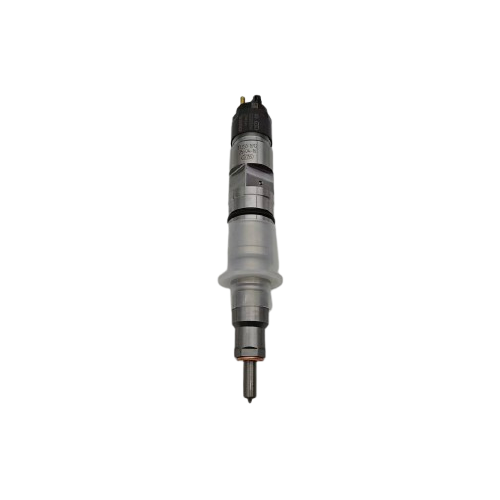
Anatomy of a Modern Cummins Common-Rail Injector: Key Features
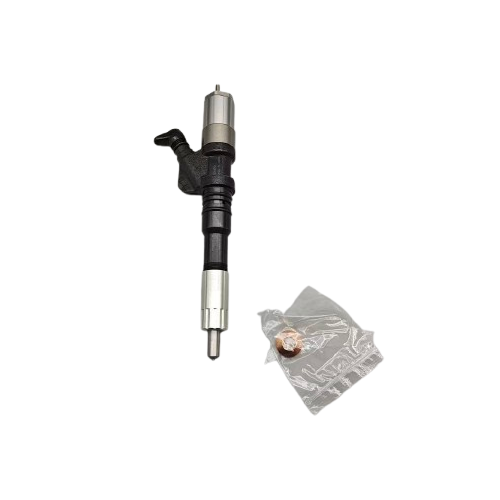
Modern Cummins injectors are precision components with specific characteristics:
- Robust Solenoid Design: Built to handle the high current and rapid cycling required for multiple injections. A failing solenoid will set specific fault codes and is a primary reason for replacement.
- Precision-Matched Flow Codes: Each injector has a unique alphanumeric trim code (e.g., a 6-character code). This code must be programmed into the engine’s ECM when a new injector is installed. Skipping this step will result in rough running, excessive smoke, and power loss. This is a non-negotiable practice, as detailed in our universal guide on injector coding and calibration.
- Advanced Nozzle Design: Multi-hole nozzles designed for optimal atomization in the specific Cummins combustion chamber. Nozzle coking (carbon buildup) is a common performance robber.
Common Cummins Fuel Injector Failure Modes & Symptoms
Recognizing these brand-common issues can speed up diagnosis:
- Internal Leakage (Leak-By):
- Symptom: Hard starting when hot, increased crank time. Fuel drips into the cylinder when the engine is off, causing a mild “hydraulic lock” effect.
- Cause: Wear of the precision needle and seat inside the injector. A leak-down test is the definitive diagnosis.
- Injector Solenoid Failure (Electrical):
- Symptom: Engine misfire, rough idle, and a consistent fault code for that specific cylinder’s injector circuit (e.g., “Injector #5 Control Circuit”).
- Cause: The solenoid coil opens or shorts. Diagnosed with a multimeter check of the injector’s resistance. This is a clear-cut “replace” scenario, as discussed in our guide on when to replace injectors.
- Nozzle Coking (Carbon Buildup):
- Symptom: Gradual loss of power, increased fuel consumption, and excessive black smoke under load. May cause unbalanced cylinder contribution.
- Cause: Poor fuel quality, extended idling, or incomplete combustion cycles. The deposits disrupt the precision spray pattern. This is a primary reason for the efficiency losses quantified in our article on worn injector performance impact.
- Fuel Contamination Damage:
- Symptom: Sudden failure, often of multiple injectors, potentially accompanied by high-pressure pump failure.
- Cause: Water or abrasive particles in the fuel. This is the #1 killer of high-pressure common-rail systems. It underscores why changing fuel filters on a strict schedule is the most important maintenance task, a pillar of our preventive maintenance philosophy.
Proactive Maintenance for Cummins Injectors: A Fleet Manager’s Checklist
- Fuel Filtration is Sacred: Use only Cummins-approved or equivalent premium fuel filters/water separators. Change them at the recommended interval, or more often in harsh environments. Drain the water separator daily.
- Use High-Quality Fuel & Additives: Source fuel from reputable suppliers. Consider a consistent dosing program with a trusted diesel fuel additive that improves lubricity and combats water.
- Monitor Engine Data: Use Insight™ or other telematics to watch for trends in fuel economy and cylinder balance rates. A drop in MPG or a growing imbalance can signal an injector beginning to fail before it sets a hard code.
- Perform Regular Oil Analysis: Oil analysis can detect early signs of fuel dilution, a key indicator of leaking injectors.
- Address Cooling System Issues Promptly: Overheating can damage injectors, which are cooled by fuel and engine coolant. A faulty thermostat or plugged radiator can lead to injector failure.
The Critical Decision: Repair, Clean, or Replace?
- Cleaning: For injectors suffering only from nozzle coking, professional off-engine ultrasonic cleaning and testing can be highly effective. However, this is only viable if the internal components are not worn.
- Replacement with Matched Sets: On high-mileage engines (e.g., over 500,000 miles), if one injector fails, the others are on borrowed time. Replacing a full, flow-matched set is the most reliable long-term strategy to prevent future downtime and ensure balanced performance. This is especially true for the demanding cycles of commercial vehicle operation.
- Coding is Mandatory: Every. Single. Time. Never install a new or replacement Cummins common-rail injector without programming its new trim code into the ECM.
Conclusion: Precision for the Long Haul
Cummins engines are built for durability, but that durability depends on the precision and care given to their most precision components. By understanding the technology inside your Cummins fuel injectors, vigilantly protecting them with clean fuel and filters, and making informed repair decisions, you directly protect your investment’s productivity and profitability. The right knowledge, combined with quality parts and proper procedures, ensures your Cummins engine delivers the legendary performance it was designed for, mile after mile.
Equip Your Cummins with the Precision it was Engineered For.
When maintenance records and diagnostics point to replacement, trust in parts that meet the exacting standards of Cummins engineering. JSPartsonline supplies high-quality, specification-matched fuel injectors and maintenance kits for a wide range of Cummins engines.
Keep your Cummins running strong. Find the exact fuel injector for your Cummins engine modelor contact our Cummins specialistsfor application advice and technical support.