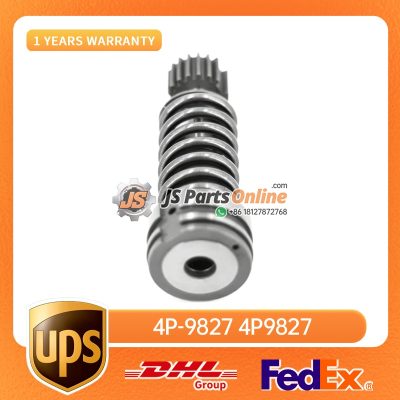
Genset & Generator Fuel Injectors: Ensuring Reliability for Critical & Standby Power
In a world powered by data, healthcare, and continuous industry, the failure of the electrical grid is not an option. This is the domain of the generator set (genset), where reliability is measured in milliseconds from outage to full load. At the core of this rapid response is a component that must perform flawlessly after sitting idle for months: the genset fuel injector. Unlike their constantly-running counterparts in trucks or machinery, genset injectors face a unique paradox: they must survive long periods of corrosive inactivity, then instantly deliver precision, high-volume fuel injection to accept full electrical load. This guide examines the distinct failure modes born from this “hurry up and wait” existence—wet stacking, microbial growth, and injector stiction. We’ll provide a specialized maintenance and testing protocol to ensure that when the call to action comes, your backup power system’s most critical mechanical component answers without hesitation, protecting the critical operations that depend on it.
The Genset Paradox: Extreme Dormancy vs. Instant Demand
Genset operating profiles create a uniquely harsh environment for fuel injection systems:
- Extended Standby (Wet Storage): Injectors and fuel systems can sit unused for 11 months of the year. Fuel degrades, water condenses, and microbial colonies establish themselves. This dormancy is the primary enemy, leading to the issues described in our fuel system decontamination guide.
- The “No-Load” or “Exercise” Conundrum: Weekly or monthly exercise runs at low load (often 30% or less) can be more harmful than beneficial if not done correctly. This leads to wet stacking.
- Instantaneous High Load Acceptance: When started, the genset must often ramp to 100% rated load within seconds to protect connected equipment. Injectors must transition from cold stagnation to delivering maximum fuel flow almost instantly, demanding exceptional mechanical responsiveness and freedom from varnish or deposits.
Unique Failure Modes: The “Standby Killers”
Understanding these genset-specific issues is key to prevention.
1. Wet Stacking & Its Direct Impact on Injectors
- What it is: A condition where unburned fuel (in the form of liquid fuel and carbon) is exhausted from a diesel engine running consistently at low load and low temperature.
- How it Happens: At low load, combustion chamber temperatures are too low to completely burn the injected fuel. This unburned fuel washes down cylinder walls, contaminating oil, and forms heavy carbon deposits.
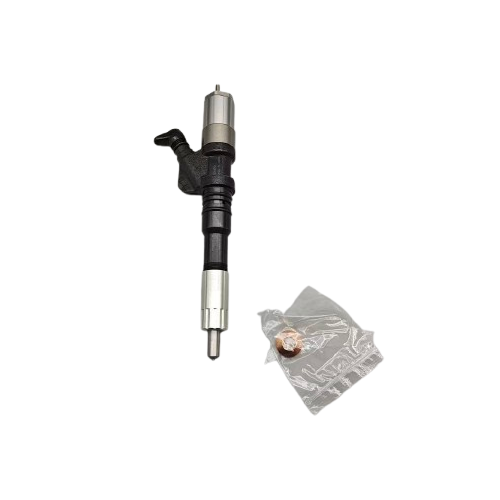
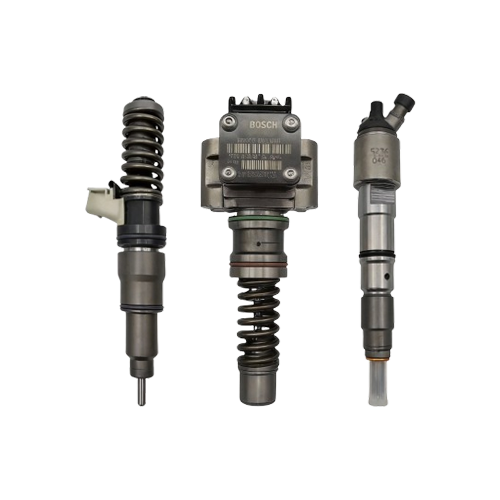
- Impact on Injectors: This carbon directly coats injector nozzles, leading to degraded atomization. The poor spray pattern then exacerbates the wet stacking condition, creating a vicious cycle. The injectors become both a victim and a cause of the problem, directly leading to the kind of performance and efficiency loss that undermines generator capacity.
2. Injector Stiction (Sticking) from Long-Term Inactivity
- What it is: The injector needle valve physically sticks in its bore due to the formation of microscopic varnish or corrosion products from aged fuel during long dormancy.
- The Symptom: Failure to start, severe misfire, or excessive smoke on startup. The injector may not open at all, or may open and fail to close properly.
- The Risk: This is a primary cause of standby generator failure during a power outage. The injector is mechanically seized, not electrically failed.
3. Accelerated Corrosion & Microbial Attack
- The constant temperature cycling in a tank that is never fully emptied promotes intense condensation. Water pools at the tank bottom, creating an ideal environment for microbial growth (“diesel bug”). The acidic byproducts of this growth corrode tank walls and, if drawn into the system, can rapidly destroy precision injector internals. This is a critical threat highlighted in our guide for marine and similar applications.
The Genset-Specific Maintenance & Testing Protocol
A “set it and forget it” approach guarantees failure. Implement this proactive regime:
1. Fuel Management: Your First and Best Defense
- Stabilize and Biocide: Treat the fuel tank with a stabilizer and a biocide immediately after any bulk refill, especially if the unit is on standby. This combats oxidation and microbial growth during storage.
- Regular Fuel Polishing: For critical facilities, install a permanent fuel polishing system that continuously filters and de-waters the tank. For others, schedule annual fuel polishing as preventive maintenance.
- Keep Tanks Full: Minimize air space in the tank to reduce condensation. Refill after extended exercise runs.
2. Exercise Runs That Actually Help, Not Hurt
- Run Under Significant Load: The old practice of a 30-minute no-load run is detrimental. Follow modern best practices: exercise the genset at 40-70% of its rated load for at least 60 minutes. This brings the engine to full operating temperature, burning off fuel and moisture in the oil, vaporizing condensation in the exhaust, and preventing wet stacking.
- Monitor Exhaust Temperature: Ensure exhaust gas temperatures (EGT) reach the manufacturer’s specified minimum for load acceptance during the exercise cycle. Low EGT is a sign of incomplete combustion and wet stacking.
3. Proactive Injector Health Monitoring & Service
- Annual Load Bank Testing: The most valuable diagnostic. An annual test with a load bank forces the generator to 100% load for an extended period (e.g., 2 hours). Monitor for:
- Fuel Rate: Higher-than-specified fuel consumption at rated load can indicate worn or clogged injectors.
- Exhaust Smoke: Excessive black smoke under full load points to poor combustion from faulty injectors.
- Cylinder Balance/EGT Variance: Modern digital governors and EGT probes can identify a weak cylinder, often tracing back to a single underperforming injector.
- Scheduled Ultrasonic Cleaning: Based on hours of operation and fuel quality, consider professionally cleaning and testing injectors as a preventive measure every 3-5 years or after a fuel contamination event. This can restore performance and is far less costly than a failure during an outage. The process and benefits are detailed in our ultrasonic cleaning guide.
4. Pre-Outage Readiness Checks
- Borescope Inspection: During major service intervals, use a borescope to inspect injector spray patterns on the piston crown or through the glow plug/indicator valve hole. Uneven carbon patterns can indicate a faulty spray.
The Replacement Decision: Prioritizing Proven Reliability
When diagnostics confirm a failing injector, the stakes are uniquely high.
- OEM-Specification is Non-Negotiable: The injector’s flow rate and spray pattern are calibrated for the generator’s specific governor response and voltage/frequency regulation. A mismatched injector can cause unstable operation or failure to accept load.
- Consider Matched Sets for Critical Units: For prime power or mission-critical standby units, if one injector in a high-hour engine fails, replace the entire set with a flow-matched set. This ensures balanced performance and eliminates the risk of a second failure during the next critical outage.
- Coding/Calibration: Modern electronic genset engines require injector coding just like vehicles. Ensure your technician performs this step, as critical for performance as the physical installation covered in our installation best practices.
Conclusion: Reliability is a Disciplined Practice, Not a Product Feature
A genset fuel injector’s reliability is not inherent; it is cultivated. It is the product of intelligent fuel management, disciplined load exercise, and proactive health monitoring. By treating the fuel system as a critical life-support system for your electrical infrastructure—combating dormancy, forcing healthy operation, and verifying performance under true load—you transform the injector from a potential point of failure into a guaranteed enabler of uptime. In the world of backup power, the only acceptable failure rate is zero, and that journey begins with the precision component that starts the fire.
Power Your Mission-Critical Systems with Components Engineered for Dormancy and Demand.
Don’t let the most reliable component in your facility be the weakest link. JSPartsonline supplies fuel injectors and filtration systems designed to meet the severe demands of standby and prime power applications, backed by the technical expertise to help you maintain them.
Ensure your next start is your best start. Find genset-specification fuel injection components and maintenance solutionsor consult with our critical power systems specialiststo build your reliability plan.