Diesel White Smoke Exhaust: A Complete Diagnostic Guide (It’s Not Always the Head Gasket)

Diesel White Smoke Exhaust: A Complete Diagnostic Guide (It’s Not Always the Head Gasket)

Thick, persistent white smoke pouring from a diesel exhaust is an alarming sight that often sends owners into a panic, with “blown head gasket” being the immediate fear. While coolant entering the cylinder is one cause, it is far from the most common. More often, that white smoke is unburned diesel fuel—a symptom with multiple potential roots, many of which reside in the fuel injection system. Misdiagnosis can lead to unnecessary, expensive repairs. This guide cuts through the confusion, explaining the science behind white smoke, detailing the five most likely culprits (with injector problems topping the list), and providing a logical, step-by-step diagnostic procedure. You’ll learn how to distinguish between different types of white smoke, perform simple tests to narrow down the cause, and ultimately identify the faulty component, saving you time, money, and ensuring an accurate repair.

What is White Smoke? The Science Behind the Cloud

First, understand what you’re seeing. In a diesel engine, white smoke is primarily composed of unburned or partially burned fuel droplets.

  • The Cause:​ Fuel is injected into the cylinder but fails to ignite, or ignites too late and incompletely. The resulting fine mist of raw fuel is expelled through the exhaust, condensing into a highly visible white vapor that often has a distinct diesel odor.
  • Key Distinction:​ True coolant smoke​ (from a leaking head gasket or cracked component) is usually whiter, can be slightly sweeter smelling, and often leaves a mist on a piece of cardboard held to the tailpipe. It also typically causes other symptoms like coolant loss, overheating, or oil contamination. Our focus here is on fuel-related white smoke.

The Top 5 Causes of Diesel White Smoke

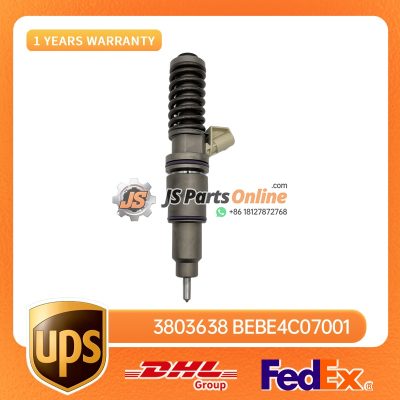
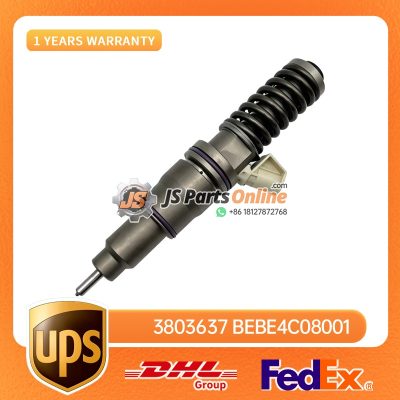
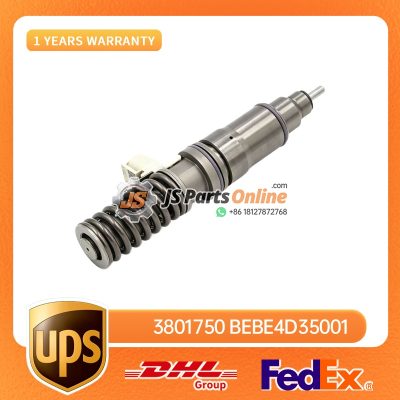
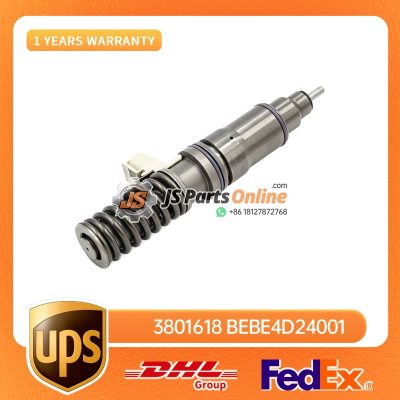
1. Faulty Fuel Injectors (The Most Common Suspects)

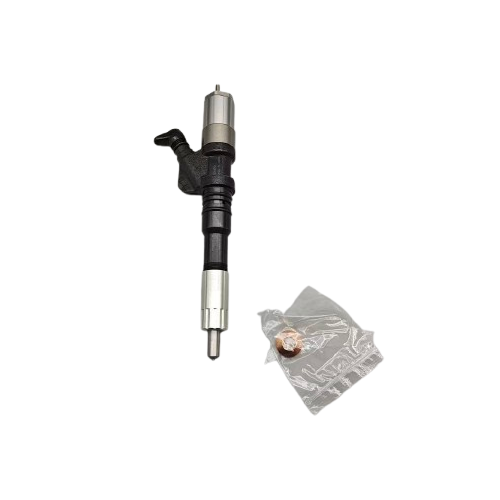
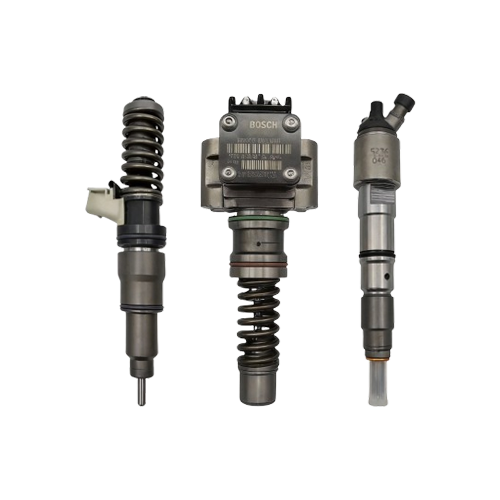
Injectors are responsible for delivering fuel at the right time, in the right quantity, and in the right pattern. Failure in any of these leads to white smoke.

  • Leaking/Dripping Injector:​ An injector that leaks internally (past the needle and seat) allows fuel to drip into the cylinder when the engine is off or during the compression stroke. This fuel is not properly atomized and cannot burn completely when the engine starts. Symptom:Excessive white smoke at startup, especially when the engine is hot, often clearing as it runs.
  • Poor Spray Pattern (Clogged or Worn Nozzle):​ A clogged or worn injector nozzle cannot atomize fuel into a fine mist. It produces a stream or large droplets that have insufficient surface area to vaporize and mix with air in the short time available. Symptom:White or greyish smoke under load or at idle, often accompanied by a loss of power and rough running.This directly relates to the spray pattern science​ critical for clean combustion.
  • Sticking Injector:​ An injector that is mechanically stuck partially open can continuously dribble fuel. This is a severe form of leakage.

2. Incorrect Injection Timing

If the injection pump or engine timing is retarded (fuel injected too late in the cycle), combustion begins when the piston is already descending. The expanding gases cool quickly, preventing complete combustion of the fuel. This is a classic cause of chronic white smoke, often accompanied by poor power, hard starting, and increased fuel consumption. Timing can be thrown off by a worn timing belt/chain, a failed injection pump, or incorrect reassembly.

3. Low Cylinder Compression

Diesel engines rely on high compression (typically 16:1 to 24:1) to generate the heat needed for auto-ignition. If compression is low due to worn piston rings, leaking valves, or a worn cylinder liner, the air in the cylinder may not get hot enough to ignite the fuel reliably.

  • Symptom:Difficult cold starting with copious white smoke that may clear somewhat as the engine warms and metal expands, temporarily improving compression.Misfiring is common. A compression test​ is the definitive diagnosis here.

4. Glow Plug or Intake Air Heater Failure (Cold Start Specific)

In cold weather, the combustion chamber and intake air need supplemental heat for the fuel to vaporize and ignite. Failed glow plugs or intake air heaters can cause white smoke only during cold starts, which should clear within a few minutes of operation as the engine warms up. This is a common and relatively simple fix.

5. Low Engine Temperature / Extended Idling

Even with perfectly functioning components, a diesel engine running significantly below its normal operating temperature (e.g., a faulty thermostat stuck open, or prolonged idling in cold weather) will produce white smoke. The combustion chamber is simply too cold for efficient combustion. This smoke is usually less dense and dissipates as the engine reaches normal temperature.

Step-by-Step Diagnostic Procedure: Finding the Root Cause

Follow this logical sequence to avoid unnecessary part replacement.

Step 1: Gather Information & Observe

  • When does the smoke occur?​ Only at cold start? Continuously? Under load?
  • What does it smell like?​ Strong diesel smell points to fuel. Sweet smell points to coolant.
  • Use a Scan Tool:​ Check for diagnostic trouble codes (DTCs). Codes for cylinder misfires (P0300 series) or injector circuit faults are invaluable clues. This is the first step in any modern diagnostic approach.

Step 2: The “Cold Start vs. Hot Start” Test

This is a critical differentiator.

  1. Start a cold engine​ after it has sat overnight. Observe the smoke.
  2. Run the engine until fully warmed up, then shut it off for 15-20 minutes​ (a “hot soak”).
  3. Restart the hot engine​ and observe immediately.
    • Smoke on Cold Start Only:​ Points to glow plugs/intake heater​ or generally low temperature. If it clears quickly, this is likely the cause.
    • Significant Smoke on Hot Start:​ This strongly suggests leaking fuel injector(s). Fuel has dripped into the cylinder during the hot soak and fouls the start.

Step 3: Perform a Cylinder Cut-Out Test (Power Balance)

This will identify if one or more specific cylinders are causing the problem.

  • Use a scan tool with “cylinder cut-out” or “power balance” functionality. This deactivates one injector at a time while monitoring engine RPM.
  • Result:​ The cylinder that, when deactivated, causes the smallest drop in RPM​ (or the smoke diminishes) is the weak or faulty cylinder. This isolates the problem.
  • If you don’t have a scan tool, you can carefully crack the fuel inlet nut on each injector​ (one at a time, with a rag to catch fuel) on a running engine. The same principle applies: the cylinder that causes the least change in engine sound is the culprit. (Caution:​ High-pressure fuel can penetrate skin. Wear safety glasses and gloves).

Step 4: Test the Suspected Injector(s)

For the cylinder identified in Step 3:

  • Swap Test:​ Swap the suspected faulty injector with a known good one from another cylinder. If the misfire/smoke moves​ to the other cylinder, you’ve confirmed a faulty injector. If it stays, the problem is elsewhere (e.g., compression, valve).
  • Leak-Down Test:​ A professional test where the injector is pressurized with fuel and observed for internal leakage. This confirms a leaking needle and seat.
  • Pop Test / Pattern Test:​ The definitive test. Removed injectors are tested on a bench to check opening pressure, spray pattern, and leakage. This will diagnose clogging, wear, and leakage. This service is detailed in our guide to professional injector cleaning and testing.

Step 5: Rule Out Other Causes

If injectors test good or the problem affects all cylinders:

  • Check Injection Timing:​ Verify timing marks on the engine. This often requires specialized tools and knowledge.
  • Perform a Compression Test:​ This will rule out (or confirm) major mechanical engine problems.
  • Check Coolant System:​ Monitor coolant level, check for bubbles in the overflow tank with the engine running, and look for oil/coolant mixing.

The Repair Decision: Clean, Repair, or Replace?

  • Clogged Injector:​ Professional ultrasonic cleaning​ can often restore performance.
  • Leaking or Worn Injector:Replacement is required.​ On a high-mileage engine, replacing the entire set with a flow-matched set​ is the most reliable long-term strategy to prevent future issues and restore balance, a key principle for commercial vehicle uptime.
  • Coding Required:​ For modern common-rail diesels, remember that new or replacement injectors almost always require electronic coding/calibration​ to the ECU. This step is as crucial as the physical installation covered in our installation guide.

Conclusion: Diagnose, Don’t Guess

White smoke from a diesel exhaust is a symptom, not a diagnosis. By methodically working through the likely causes—starting with the most common fuel injector issues—you can avoid the costly mistake of replacing a head gasket for an injector problem. Understanding the conditions under which the smoke appears (cold vs. hot start) and using simple diagnostic tests to isolate the faulty cylinder will lead you directly to the root cause with confidence. A systematic approach protects your wallet and gets your diesel running cleanly and efficiently once again.

Find the Right Solution for Your Diesel’s Symptoms.

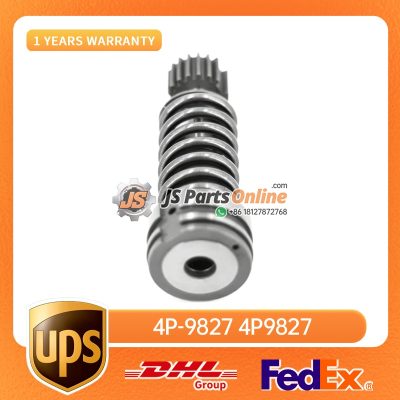
Whether the diagnosis points to a single faulty injector, a full set in need of replacement, or a professional cleaning service, having the right parts and expertise is key. JSPartsonline supplies high-quality, specification-matched diesel fuel injectors and supports the diagnostic process with expert knowledge.

Stop the smoke, restore the power. Use our catalog to find the exact injector for your diesel engineor contact our diesel specialistsfor help diagnosing your white smoke issue.

author avatar
JSpartsonline