Diesel Fuel System Maintenance Guide — Filters, Fuel Quality, Water Separators, and Injector Protection
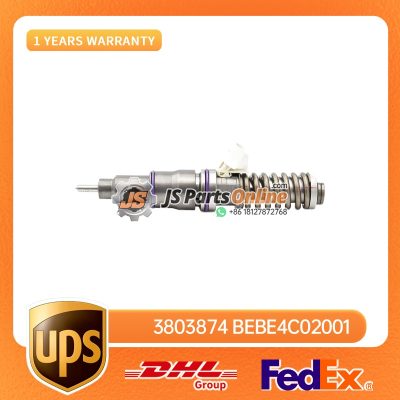
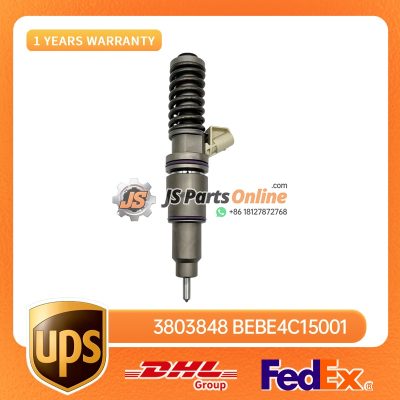
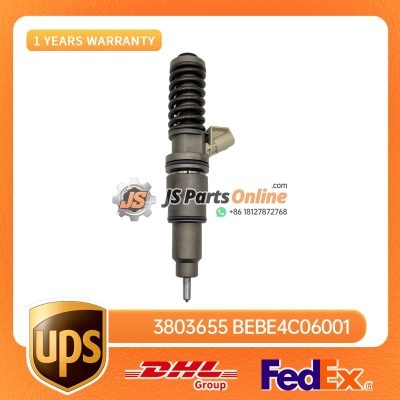
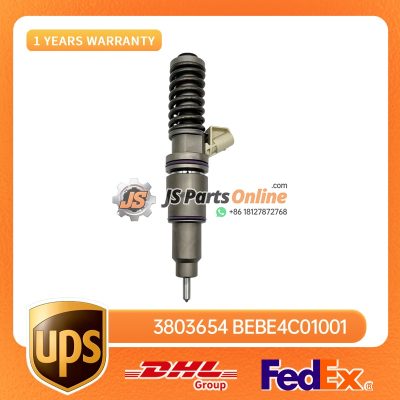
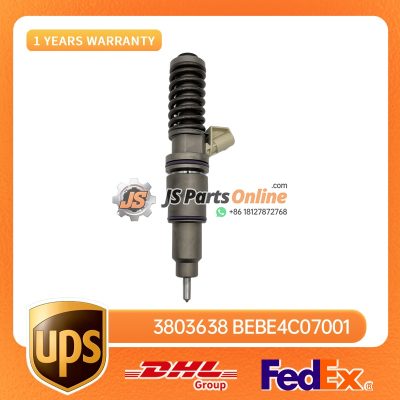
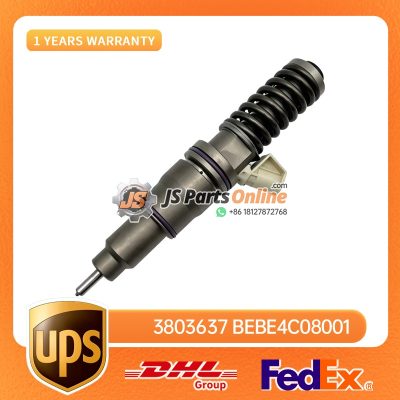
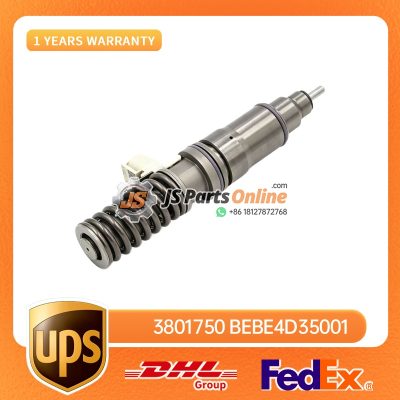
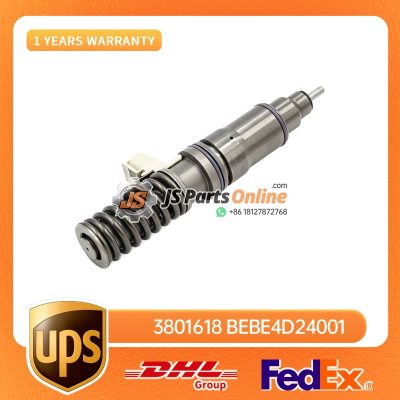
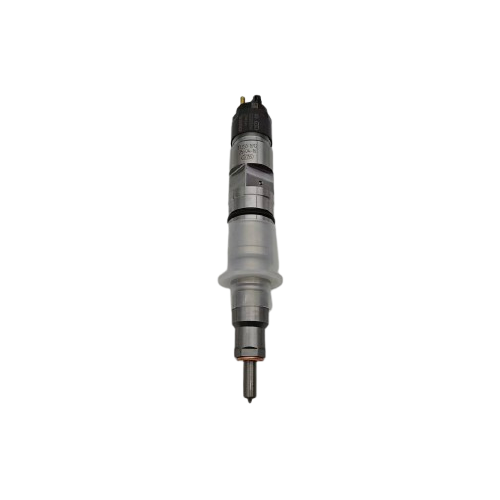
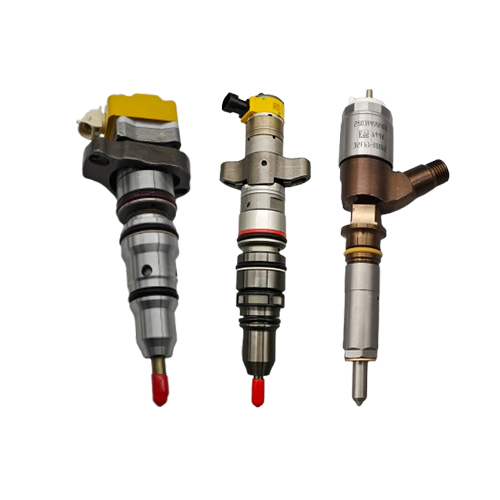
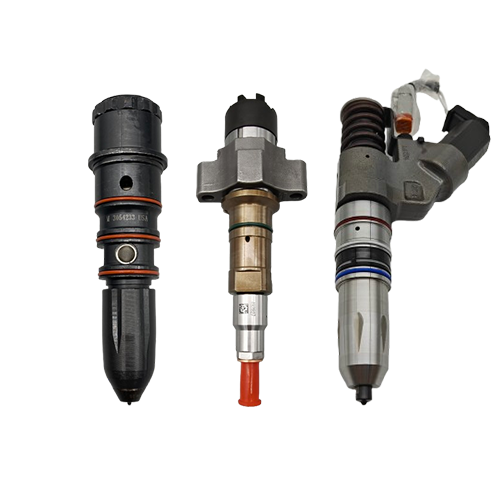
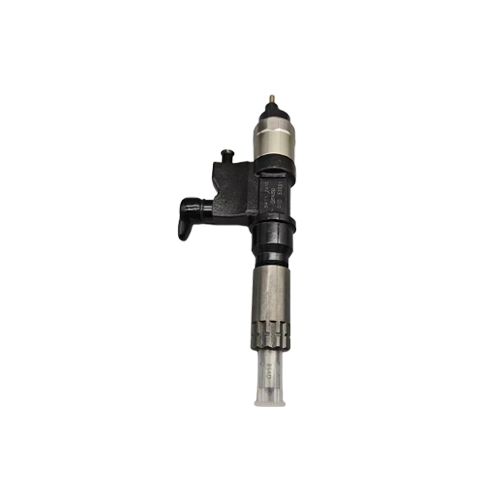
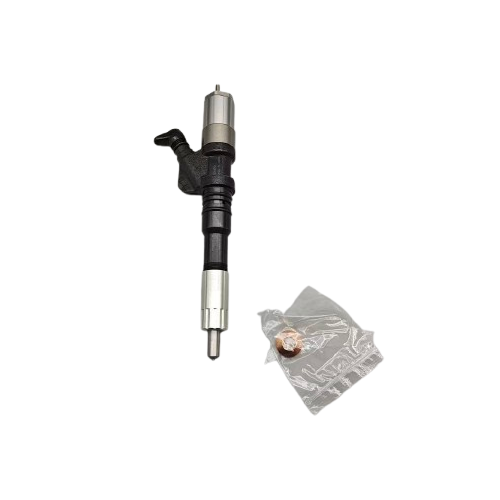
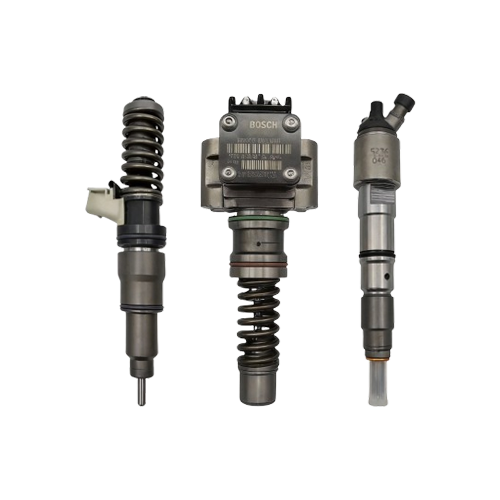
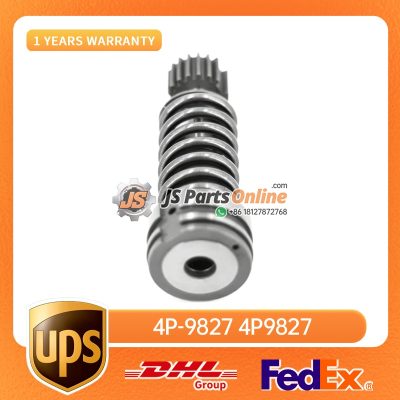
A diesel fuel system represents a significant investment — injectors alone can cost $300–$1,200+ each, and the high-pressure pump, fuel lines, and rail assembly add thousands more. The single most effective way to protect this investment is proper fuel system maintenance. The image above shows diesel fuel injectors and a fuel injection pump on a clean workbench — the kind of components that can last 500,000 miles or more with good maintenance, or fail in under 50,000 miles with neglect. This guide covers everything you need to know about diesel fuel system maintenance, from filter replacement intervals to fuel quality management, water separation, and contaminant prevention strategies for protecting Bosch injectors, Denso injectors, CAT injectors, and the entire fuel delivery system.
Why Diesel Fuel System Maintenance Matters
Modern diesel fuel systems operate at extremely high pressures — common rail systems run at 1,600–2,500 bar (23,000–36,000 psi). At these pressures, the injector internal clearances are measured in micrometers (millionths of a meter). Any contamination in the fuel — even particles as small as 3–5 microns — can cause abrasive wear on the precision surfaces of the injector, pump plungers, and metering valves. The consequences of inadequate maintenance include:
- Injector wear — Leading to poor atomization, black smoke, reduced power, and increased fuel consumption
- High-pressure pump failure — Contaminated fuel destroys the pump’s precision-mated plungers and barrels
- Rail pressure control issues — Debris in the rail pressure sensor or pressure control valve causes erratic fuel pressure
- Water damage — Water in diesel fuel causes corrosion of injector components, pump failure, and microbial growth in the fuel tank
- Premature component replacement — Complete fuel system replacement can cost $5,000–$15,000+
The Diesel Fuel System: Key Components and Their Maintenance Needs
| Component | Function | Common Failure Mode | Maintenance Action | Interval |
|---|---|---|---|---|
| Fuel tank | Fuel storage, initial water settling | Water accumulation, sludge, microbial growth | Drain water separator; fuel polishing for stored fuel | Monthly water check; annual fuel polishing |
| Fuel pickup and pre-filter screen | Initial filtration and fuel delivery | Blockage from debris or algae | Inspect and clean screen | Annual or if fuel starvation symptoms occur |
| Water separator / fuel filter head | Water separation and primary filtration | Water sensor failure, cracked filter head | Replace filter, drain water, test water-in-fuel sensor | Filter per OEM schedule; drain water as needed |
| Primary fuel filter (10–30 micron) | Remove larger particles and some water | Clogging, bypass valve opening unfiltered fuel | Replace with OEM-spec filter | 10,000–15,000 miles or annually |
| Secondary fuel filter (2–5 micron) | Fine filtration — final protection for injectors and pump | Clogging, bypass valve opening sends unfiltered fuel to injectors | Replace with high-efficiency filter (98%+ at rated micron) | 10,000–15,000 miles or annually |
| Low-pressure fuel pump (lift pump) | Deliver fuel from tank to high-pressure pump | Wear from contamination, cavitation | Verify output pressure and flow at service intervals | Test at each major service |
| High-pressure fuel pump (CP3, CP4, etc.) | Pressurize fuel to rail pressure (1,600–2,500 bar) | Lubricity failure, contamination wear, cam/roller damage | Fuel quality maintenance; change filters on schedule | No direct service; protect through fuel quality |
| Fuel rail | Distribute high-pressure fuel to injectors | Contamination, pressure sensor failure | Rail rarely requires service; clean if contamination found | As needed (only if contamination event occurs) |
| Fuel injectors | Meter and atomize fuel into cylinders | Nozzle wear, carbon buildup, solenoid failure | Fuel quality; periodic testing; replacement at end of life | Test at 250,000 miles; replace as needed |
| Fuel return system | Return excess fuel and injector leakage to tank | Restriction causing high return pressure | Check return line restriction | If injector back leakage symptoms appear |
Fuel Filtration: The First Line of Defense
Fuel filtration is the single most important preventive maintenance task for diesel fuel systems. Modern common rail injectors require fuel that is cleaner than medical-grade fluids. A typical injection system specification calls for fuel with fewer than 20 particles per milliliter larger than 4 microns — that’s about the size of a red blood cell.
Filtration Standards
- Primary filter (10–30 micron) — Water-separating capability required. Efficiency: ≥90% at rated micron
- Secondary filter (2–5 micron) — High-efficiency filtration. Efficiency: ≥98.5% at rated micron. This is the final protection for CP3/CP4 pumps and injectors
- Filter material — Synthetic media filters provide higher efficiency and longer life than cellulose filters. Choose synthetic for severe duty applications
- Water separation efficiency — The filter/separator must remove ≥95% of free water. Look for filters with this rating
When to Change Fuel Filters
Follow the manufacturer’s recommended interval, but consider more frequent changes under these conditions:
| Operating Condition | Standard Interval | Adjusted Interval |
|---|---|---|
| Normal on-highway operation | 15,000 miles | 15,000 miles |
| Severe duty (off-road, construction, agriculture) | 15,000 miles | 5,000–10,000 miles |
| High ambient dust (desert, mining) | 15,000 miles | 5,000–7,500 miles |
| Biodiesel operation (B20 or higher) | 15,000 miles | 7,500–10,000 miles |
| Known fuel quality concerns | 15,000 miles | 5,000–7,500 miles |
| Fleet / high-utilization operation | 15,000 miles | 10,000 miles |
Water in Diesel Fuel: The Silent Injector Killer
Water is one of the most damaging contaminants in diesel fuel. Unlike gasoline, diesel fuel has a significant capacity to hold dissolved water, and temperature changes cause this water to condense out as free water. Here’s why water is so destructive:
- Corrosion — Water causes rust and pitting on injector needle valves, pump plungers, and internal fuel passages
- Lubricity loss — Water displaces the fuel film on precision surfaces, leading to metal-to-metal contact and accelerated wear
- Bacterial growth — Water at the fuel-water interface in the tank supports microbial growth (diesel bug). Bacteria produce acidic waste products that corrode fuel system components
- High-pressure damage — Water does not compress like fuel. When water passes through a high-pressure pump or injector, it can cause hydraulic lock and physical damage to the precision components
Water Management Best Practices
- Drain the water separator regularly — Most modern diesel engines have a water-in-fuel (WIF) sensor that illuminates a warning light on the dashboard. However, don’t wait for the light — drain the separator at every oil change as a preventive measure
- Keep the fuel tank full — A full tank reduces condensation space for water formation. In humid climates, fill the tank at the end of each day’s operation rather than leaving it partially empty overnight
- Use fuel from high-volume suppliers — Stations and distributors with high turnover have fresher fuel with less water absorption. Avoid fuel from old or underground tanks that may have water infiltration
- Install an auxiliary water separator — For equipment operating in extreme conditions (high humidity, frequent temperature cycling), install a secondary water separator before the primary filter
- Test fuel for water content — Use a water-finding paste or electronic fuel tester to check fuel quality before long trips or when filling from unknown sources
Diesel Fuel Quality: What Every Operator Should Know
Fuel Lubricity
Diesel fuel acts as the lubricant for high-pressure fuel pumps. The CP3 and CP4 pumps (used in most common rail systems) rely on the fuel’s lubricity to prevent scuffing and wear between the pump plungers and barrel. Ultra-low sulfur diesel (ULSD) has reduced lubricity compared to older diesel formulations. Key points:
- ULSD lubricity standard — ASTM D975 requires a maximum wear scar diameter of 520 microns in the High-Frequency Reciprocating Rig (HFRR) test. Many real-world fuel samples have lubricity near this limit
- Lubricity additives — High-quality diesel fuel additives contain lubricity improvers that reduce wear scar diameter to 400 microns or less. These are strongly recommended for all common rail diesel engines
- Biodiesel blend benefit — Even B5 biodiesel blend (5% biodiesel) significantly improves fuel lubricity. B20 provides excellent lubricity but requires more frequent filter changes
Fuel Cetane Number
Cetane number measures the ignition quality of diesel fuel — how quickly it ignites after injection. Higher cetane fuels (50+) provide smoother combustion, less noise, and fewer emissions. Low cetane fuel (<45) causes rough running, white smoke on cold start, and increased injector tip temperatures. Always use fuel with the cetane rating recommended by your engine manufacturer, and consider cetane boost additives in cold weather.
Fuel Sulfur Content
ULSD must contain less than 15 ppm sulfur. High sulfur fuel (>500 ppm) will damage the emissions aftertreatment systems (DPF, SCR) on modern engines. Even occasional use of off-road or high-sulfur fuel in an on-highway vehicle can destroy the DPF and NOx catalysts. If you must use alternative fuel sources, verify the sulfur content before filling the tank.
Fuel Additives: Helpful or Hype?
With dozens of diesel fuel additives on the market, it’s important to separate genuinely useful products from marketing claims. Here’s what additives can and cannot do for your fuel system:
| Additive Type | What It Does | When to Use | Evidence Level |
|---|---|---|---|
| Lubricity improver | Reduces fuel pump and injector wear in ULSD | Always — every tank of ULSD fuel | ✅ Strong — proven HFRR test results |
| Cetane booster | Improves ignition quality for smoother starts and less noise | Winter operation, low-cetane fuel sources | ✅ Strong — measurable cetane increase |
| Anti-gel / winter blend | Lowers fuel cloud point and cold filter plugging point (CFPP) | Temperatures below 20°F (-7°C) | ✅ Strong — essential for cold weather |
| Biocide | Kills microbial growth in fuel tanks | Evidence of diesel bug (slime, filter plugging) | ✅ Strong — effectively eliminates microorganisms |
| Injector cleaner / detergent | Removes carbon deposits from injector tips | Every 5,000–10,000 miles or when injector deposits suspected | ⚠️ Moderate — good for prevention, limited for severe deposits |
| Water emulsifier | Disperses water into the fuel rather than separating it | ⚠️ NOT recommended | ❌ Harmful — emulsified water passes through filters and causes injector damage |
| Performance booster / power increase | Claims increased horsepower and torque | Rarely needed for stock engines | ❌ Weak — negligible effect on unmodified engines |
Fuel System Maintenance Schedule
The following maintenance schedule provides general guidelines. Always follow your engine manufacturer’s recommended intervals for specific maintenance requirements.
| Interval | Task | Vehicle Types |
|---|---|---|
| Daily / Pre-trip | Drain water separator, check fuel level, look for fuel leaks | All diesel vehicles, especially heavy-duty trucks |
| Every oil change (5,000–10,000 miles) | Replace primary and secondary fuel filters; inspect for contamination in old filters | All common rail diesel engines |
| Every 10,000 miles | Add quality fuel additive (lubricity + cetane booster); inspect fuel lines for cracks and leaks | All diesel vehicles |
| Every 25,000 miles | Replace fuel filter water separator element; test WIF sensor operation | Medium-duty trucks, heavy equipment |
| Every 50,000 miles | Inspect fuel tank interior for sludge and water; clean if necessary; test fuel quality from typical fill source | All diesel vehicles |
| Every 100,000 miles | Replace high-pressure fuel lines (if specified by manufacturer); inspect fuel rail for damage; test fuel pump output | Medium- and heavy-duty trucks |
| Every 250,000 miles | Remove and test injectors; replace if any flowing outside specification; rebuild or replace high-pressure pump | Heavy-duty trucks, off-road equipment |
| As needed | Fuel polishing for stored vehicles and equipment (bulk fuel tanks) | Agricultural, marine, standby generator applications |
Fuel Contamination: Diagnosis and Response
Even with good maintenance, contamination events can happen. Here’s how to diagnose and respond to fuel contamination issues:
Common Contamination Types and Symptoms
| Contaminant | Symptoms | Visual Signs in Fuel/Filter | Response |
|---|---|---|---|
| Water | WIF light, rough idle, hard starting, white smoke | Cloudy fuel, water layer at bottom of filter, rusty filter internals | Drain water separator, replace fuel filter, add fuel biocide, test for bacterial growth |
| Dirt / sediment | Fuel starvation, filter plugging, injector sticking | Dark particles in filter media, gritty sediment in filter bowl | Replace all fuel filters, drain and clean fuel tank if severe, test injectors for damage |
| Microbial growth (diesel bug) | Filter plugging, fuel starvation, fuel system corrosion | Black/brown slime on filter, foul smell, visible growth at fuel-water interface | Treat with biocide, replace all filters, drain and clean fuel tank, replace fuel |
| Wax / paraffin (cold weather) | Fuel starvation, hard starting in cold temperatures, no-start in extreme cold | Waxy crystals in filter, filter appears coated in white or yellow wax | Use winter-grade fuel, add anti-gel additive, replace filter, warm fuel system |
| High sulfur fuel | DPF regeneration issues, sulfur smell from exhaust, check engine light | Not visually apparent; fuel test required | Drain tank, refill with ULSD, regenerate DPF per procedure, check SCR system |
| Used engine oil / waste oil | Rough running, injector deposits, DPF failure, pump failure | Fuel darker than normal, sediment, strong smell | Drain entire fuel system, replace all filters, clean tank, replace injectors if contaminated |
Cold Weather Fuel System Maintenance
Cold weather presents special challenges for diesel fuel systems. Diesel fuel contains paraffin wax that crystallizes at low temperatures, clogging filters and preventing fuel flow.
Winter Preparation Checklist
- Switch to winter-blend fuel — Most suppliers blend winter fuel with additives that lower the cold filter plugging point (CFPP). Make sure your fuel source has switched over before the first freeze
- Add anti-gel additive — Even with winter-blend fuel, add a quality anti-gel additive when temperatures are expected below 15°F (-9°C). Follow the dosage instructions on the additive
- Replace fuel filters before winter — Start the cold season with fresh filters. A partially clogged filter that works fine in summer will cause problems when wax crystals form
- Keep the tank full — A full tank minimizes condensation (less air space = less moisture) and provides more thermal mass to resist fuel cooling
- Check the fuel heater — Many diesel engines have a fuel heater in the filter head or fuel lines. Verify it’s operational before winter
- Consider a fuel warmer / tank heater — For extreme cold climate operation (-20°F / -29°C and below), install an engine block heater and fuel line heater
Fuel System Diagnostic Signs
Your fuel system provides warning signs when maintenance is needed. Learn to recognize them:
| Warning Sign | Likely Cause | Action Required |
|---|---|---|
| Water-in-fuel (WIF) light on | Water in fuel separator | Drain water separator immediately; if light persists, replace filter and check fuel source |
| Loss of power under load | Clogged fuel filter, fuel restriction | Replace fuel filters; check for restriction |
| Engine surges at cruise | Fuel supply restriction, air in fuel, failing lift pump | Check fuel lines for restriction; test lift pump pressure; prime fuel system |
| Hard starting when warm | Air intrusion into fuel system, injector leak | Check fuel return system; test injector back leakage; check for fuel line leaks |
| White smoke at cold start | Low cetane fuel, injector dribble, low compression | Check fuel cetane; test injectors for leakage |
| Black smoke under acceleration | Injector nozzle wear, clogged air filter, poor atomization | Check injector spray pattern; replace air filter; verify fuel quality |
| Fuel in engine oil | Injector nozzle leaking, injector O-ring failure, DPF regeneration issues | Test injectors for leakage; change oil immediately; inspect injector O-rings |
| Check engine light (fuel system related DTCs) | Various — rail pressure, injector circuit, fuel quality, pump dosing unit | Scan for DTCs; address root cause before clearing codes |
Conclusion
Diesel fuel system maintenance is not complicated — it’s mostly about consistency and using quality components. The fundamentals are simple: use clean, high-quality fuel from a reliable source; change fuel filters at regular intervals (more frequently in severe duty); drain the water separator; use quality fuel additives for lubricity and cetane enhancement; and pay attention to warning signs before they become failures. A well-maintained diesel fuel system will deliver 500,000+ miles of reliable service from injectors and pumps. A neglected system can destroy thousands of dollars worth of components in a single contamination event. The choice is yours, but the maintenance required is minimal compared to the cost of replacement. Change your filters, drain your water separator, and use quality fuel — your injectors will thank you.
Looking for replacement fuel filters, water separators, or fuel system components? Need a new Bosch injector, Denso injector, or CAT injector? Visit JSPartsonline for OEM-quality fuel system parts with competitive pricing and fast shipping.