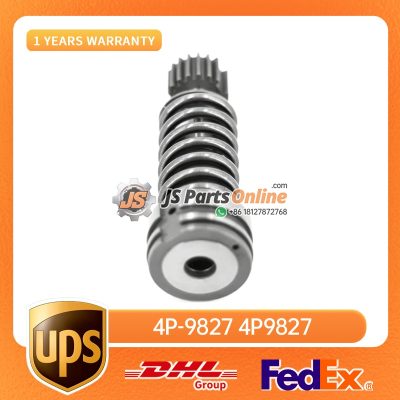
CAT Fuel Injection Pump Plunger Selection and Replacement Guide
The fuel injection pump plunger is the heart of any mechanical or electronic unit injector system. For CAT heavy-duty diesel engines spanning the 3406, C7, C9, C13, and C15 families, the plunger-and-barrel assembly determines injection pressure, timing precision, and ultimately combustion efficiency. Selecting the correct plunger — and replacing it at the right time — can mean the difference between 20,000 hours of reliable operation and a catastrophic pump failure that takes injectors and pistons with it.
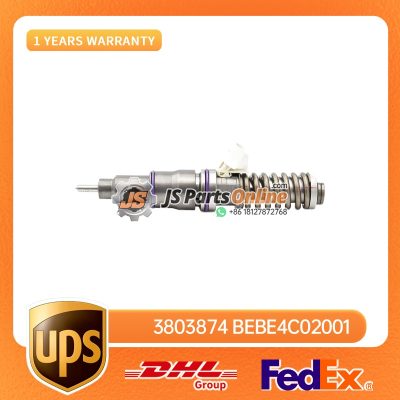
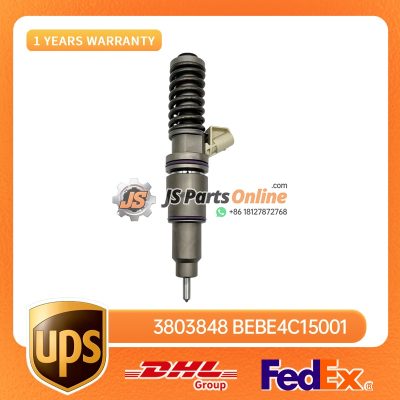
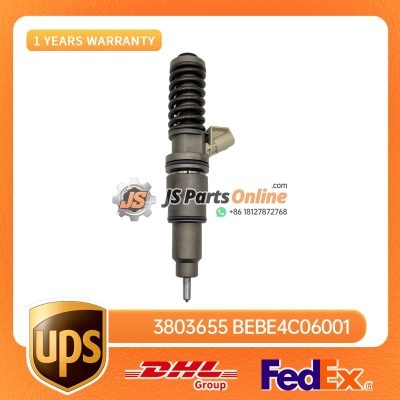
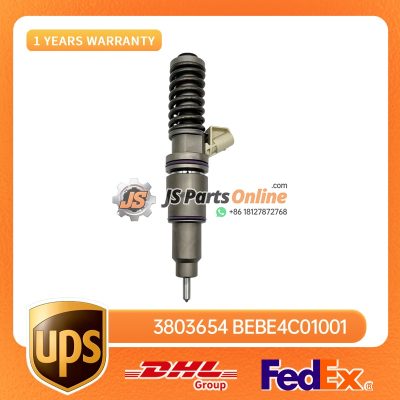
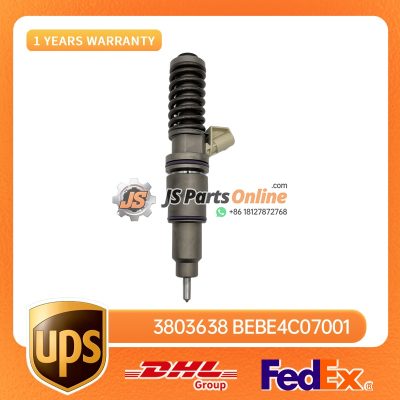
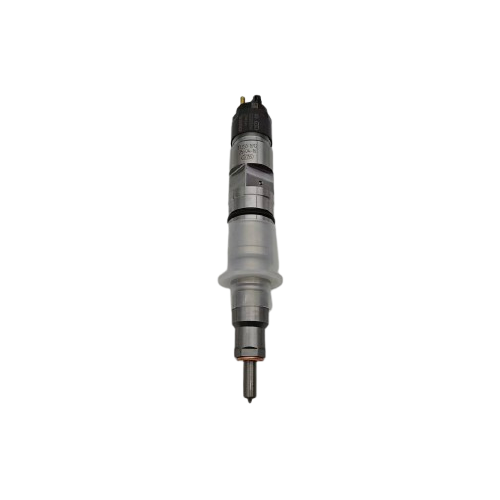
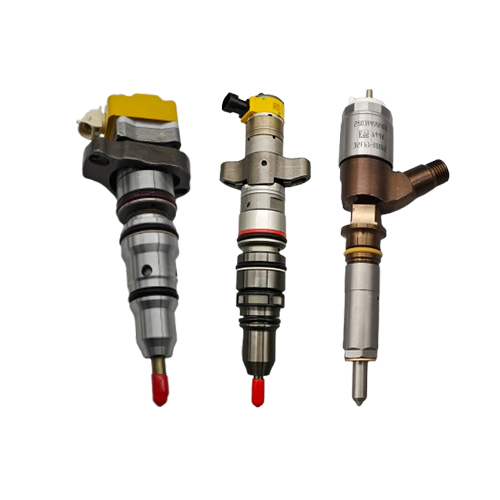
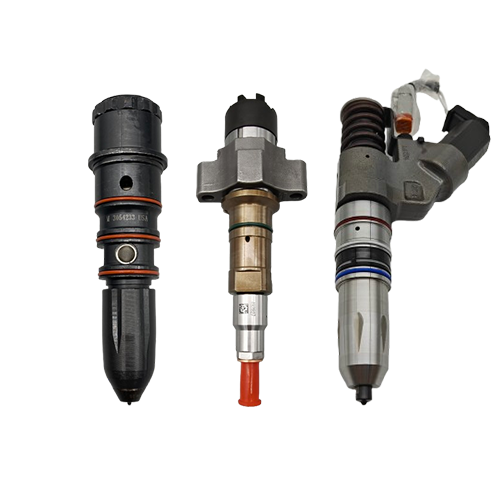
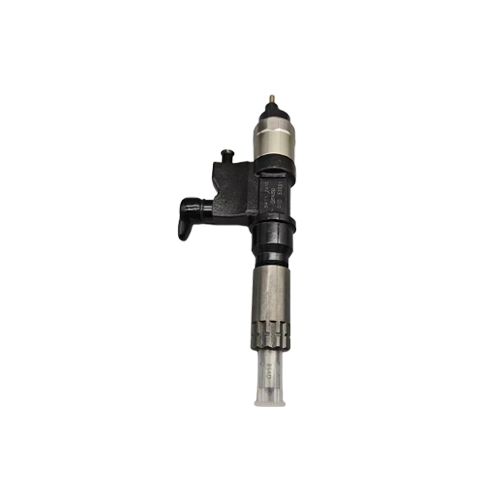
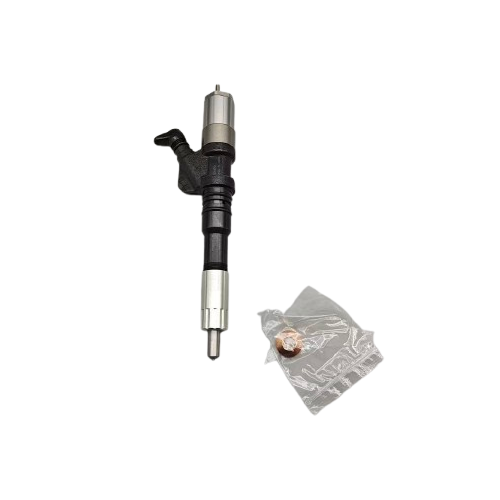
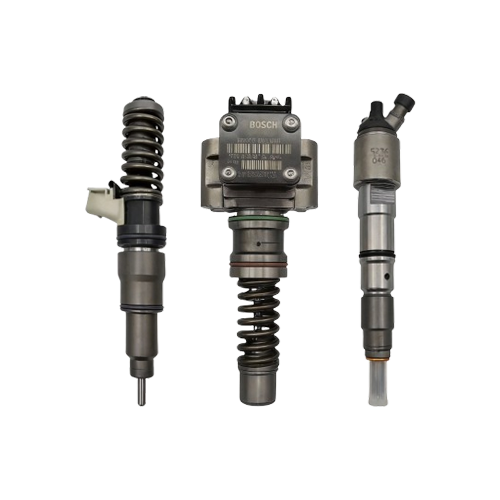
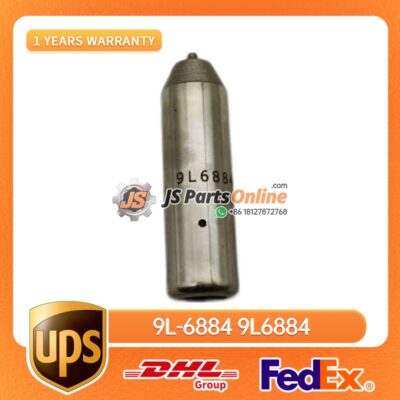
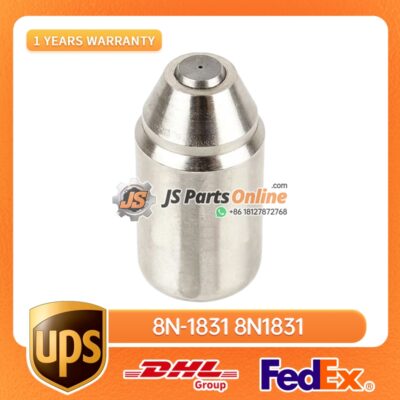
In the image above, you can see the precision-machined surface of a CAT fuel injection pump plunger — the mirror finish is not cosmetic; it’s functional. Any surface imperfection larger than 2-3 microns creates a leak path that bleeds off injection pressure. This guide walks you through everything you need to know about CAT injection pump plungers: how they work, when they fail, how to select the right replacement, and the step-by-step replacement procedure.
How a Fuel Injection Pump Plunger Works
A fuel injection pump plunger operates as a precision positive-displacement piston inside a matched barrel. As the camshaft lobe pushes the plunger upward, it pressurizes the trapped fuel column to pressures exceeding 30,000 psi (2,000 bar) in modern common-rail-adjacent systems. The plunger’s helix or spill-port geometry determines both injection quantity and timing — a brilliantly simple mechanical solution that served diesel engines for decades before full electronic control.
| Phase | Plunger Position | Fuel State | Pressure (psi) |
|---|---|---|---|
| Fill | Bottom dead center | Fuel enters barrel via supply port | 50-80 |
| Spill | Rising, before port closure | Fuel pushed back to gallery | 80-500 |
| Injection | Port covered, rising to TDC | Fuel pressurized to nozzle | 15,000-30,000 |
| End of Injection | Helix uncovers spill port | Pressure collapse, injection stops | <500 |
| Return | Descending (spring return) | Barrel refills for next cycle | 50-80 |
Common CAT Fuel Injection Pump Plunger Part Numbers
CAT engines use a wide range of plunger specifications depending on engine displacement, power rating, and emission tier. Below are the most commonly replaced plunger part numbers across CAT’s heavy-duty engine lineup:
| Part Number | Engine Series | Pump Type | Diameter (mm) | Typical Application |
|---|---|---|---|---|
| 1W-6539 1W6539 | 3406B/C | In-line | 12.0 | Heavy equipment, marine |
| 4P-9827 4P9827 | 3406E | In-line | 12.5 | Mining trucks, gen sets |
| 7N-1183 7N1183 | 3412 | V-type pump | 11.5 | Marine propulsion |
| 108-6631 1086631 | 3406B/C | In-line | 12.0 | Construction equipment |
| 108-6634 1086634 | 3406C/E | In-line | 12.5 | Industrial engines |
| 108-6633 1086633 | 3406B | In-line | 12.0 | Agricultural tractors |
Signs Your CAT Injection Pump Plunger Needs Replacement
Plunger wear is progressive and often goes unnoticed until secondary damage occurs. Here are the telltale signs that a plunger-and-barrel assembly is approaching end of life:
| Symptom | What You’ll Notice | Root Cause | Severity |
|---|---|---|---|
| Hard starting | Extended cranking, white smoke on cold start | Low compression pressure from plunger blow-by | Moderate |
| Uneven idle | Engine hunts at idle, RPM fluctuates ±50 | Unequal fuel delivery between cylinders | Moderate |
| Power loss under load | Cannot reach rated RPM at full throttle | Insufficient injection pressure / quantity | High |
| Increased fuel consumption | 5-15% higher fuel burn | Poor atomization from low injection pressure | Moderate |
| Fuel dilution in oil | Rising oil level, diesel smell in crankcase | Plunger-to-barrel clearance allowing fuel bypass | Critical |
| Metal particles in fuel | Shiny flakes in fuel filter / water separator | Galling or seizure of plunger surface | Critical |
OEM vs Aftermarket CAT Plungers: Making the Right Choice
When it’s time to replace a CAT injection pump plunger, you face the classic OEM-versus-aftermarket decision. Here’s how the options stack up across the criteria that matter most for heavy-duty applications:
| Factor | CAT OEM Plunger | Premium Aftermarket | Budget Aftermarket |
|---|---|---|---|
| Material grade | CAT-spec alloy steel, case-hardened | Equivalent alloy, independent lab verified | Standard bearing steel, variable hardness |
| Surface finish (Ra) | ≤0.05 µm | ≤0.08 µm | 0.10-0.20 µm |
| Dimensional tolerance | ±1.5 µm on diameter | ±2.0 µm on diameter | ±3-5 µm on diameter |
| Matched barrel included | Yes, factory-lapped pair | Usually yes | Often plunger only |
| Price (relative) | 100% (baseline) | 40-60% | 20-35% |
| Warranty | 12 months / unlimited hours | 12-18 months | 3-6 months |
| Expected service life | 15,000-20,000 hours | 12,000-18,000 hours | 5,000-10,000 hours |
For engines operating in mission-critical applications — marine propulsion, emergency gen sets, remote mining equipment — the OEM premium is almost always justified. For construction and agricultural equipment with predictable maintenance windows, premium aftermarket plungers from suppliers like JS Parts Online offer an excellent cost-to-reliability ratio.
Step-by-Step CAT Plunger Replacement Procedure
Replacing an injection pump plunger requires cleanliness, patience, and strict adherence to torque specifications. Here is the field-tested procedure:
Tools and Materials Required
| Tool / Material | Specification | Purpose |
|---|---|---|
| Torque wrench | 1/4″ drive, 5-25 Nm range | Delivery valve holder, retaining screws |
| Plunger extraction tool | CAT-specific or universal | Safely removing old plunger without scoring bore |
| Clean room wipes | Lint-free, ISO Class 5 | Cleaning barrel bore before new plunger insertion |
| Calibrated diesel test oil | ISO 4113 | Pre-lubricating plunger before installation |
| Dial indicator + magnetic base | 0.01 mm resolution | Verifying plunger lift / timing |
| Timing pin set | Engine-specific | Locking engine at correct TDC position |
Replacement Steps
- Lock engine at TDC #1 compression stroke using the appropriate timing pin. Confirm with both the flywheel mark and the rocker arm position (both valves closed on #1).
- Remove the injection pump access cover and thoroughly clean the surrounding area. Any dirt entering the pump housing will destroy the new plunger within hours.
- Mark the delivery valve holder orientation with a paint pen before loosening. This ensures correct reassembly torque sequence.
- Extract the old plunger using the CAT-specific extraction tool. Never use pliers or magnets — you risk scratching the barrel bore.
- Inspect the barrel bore with a borescope. Any scoring, pitting, or discoloration means the barrel must be replaced as well. A new plunger in a worn barrel will fail within 500 hours.
- Clean the barrel bore with lint-free wipes and filtered diesel fuel. Repeat until wipes come out completely clean.
- Pre-lubricate the new plunger with ISO 4113 calibration fluid. Do not use engine oil — its viscosity prevents proper plunger-to-barrel seating.
- Insert the new plunger with the helix or timing mark oriented according to the engine service manual. Most CAT plungers have a timing mark that aligns with the pump housing index mark.
- Reinstall the delivery valve holder and torque to specification (typically 30-35 Nm for CAT in-line pumps).
- Verify plunger lift with a dial indicator through the full cam rotation. Compare against the engine specification sheet.
- Prime the fuel system and bleed all air before attempting to start. Crank in 10-second bursts with 30-second cooldowns to avoid starter damage.
- Check for leaks and monitor exhaust smoke color during the first 30 minutes of operation.
Plunger Timing Verification Table
After replacement, verifying plunger pre-stroke (also called port closure timing) is the single most important quality check. Incorrect timing by even 1 degree of camshaft rotation can shift injection timing by 2 crank degrees — enough to cause elevated exhaust temperatures and increased NOx emissions.
| Engine Model | Pump Model | Plunger Diameter | Pre-Stroke (mm) | Injection Timing (°BTDC) |
|---|---|---|---|---|
| 3406B DI | New Scroll | 12.0 mm | 3.25 ±0.05 | 18-22° |
| 3406C ATAAC | New Scroll | 12.0 mm | 3.50 ±0.05 | 16-20° |
| 3406E | EUI (electronic) | — | — | ECM-controlled |
| 3412 DI | V-type Scroll | 11.5 mm | 2.85 ±0.05 | 20-24° |
| 3412E | EUI (electronic) | — | — | ECM-controlled |
| C15 ACERT | MEUI | — | — | ECM-controlled |
Important note: Electronic unit injector (EUI/MEUI/HEUI) engines do not have conventional injection pump plungers — the plunger is integrated into each individual injector assembly. This guide applies specifically to mechanically-governed in-line and V-type injection pumps found on 3406B/C, 3412 mechanical, and earlier CAT engine platforms.
Preventive Maintenance Schedule for Injection Pump Plungers
| Engine Application | Inspection Interval | Replacement Interval | Notes |
|---|---|---|---|
| Marine continuous duty | Every 5,000 hours | 15,000-20,000 hours | Constant load means predictable wear |
| Mining / quarry (high load) | Every 3,000 hours | 10,000-15,000 hours | Dusty environment accelerates fuel contamination |
| Construction (variable load) | Every 4,000 hours | 12,000-18,000 hours | Idle time causes uneven wear patterns |
| Agricultural (seasonal) | Every 2 seasons | 8,000-12,000 hours | Long storage periods risk corrosion |
| Emergency gen set (standby) | Annually | Condition-based | Low hours but critical reliability requirement |
Conclusion
The CAT fuel injection pump plunger is a component where precision directly translates to performance. When you compare a worn plunger’s surface under magnification to a new one, the difference is stark — micro-pitting, scoring, and edge rounding that bleed off injection pressure and disrupt spray patterns. For 3406B, 3406C, and 3412 engine owners, proactive plunger replacement at the intervals outlined above is one of the most cost-effective ways to maintain rated power, fuel efficiency, and emissions compliance. Browse our complete range of CAT fuel injection pump plungers for OEM-quality replacements at competitive prices.