Fuel Injector Maintenance Guide: 5 Key Practices for Maximum Longevity

Fuel Injector Maintenance Guide: 5 Key Practices for Maximum Longevity

Your vehicle’s performance and efficiency are directly tied to the health of its fuel injectors. While they are wear items, their failure is rarely sudden—it’s often the result of gradual degradation that could have been prevented. Reactive repairs are costly, but proactive fuel injector maintenance​ is surprisingly simple and economical. This guide outlines the five fundamental practices that protect your investment, prevent common issues like clogging and poor spray patterns, and ensure your engine delivers consistent power, smooth operation, and optimal fuel economy for years to come. Think of it as the essential owner’s manual for the heart of your fuel system.

Why Proactive Maintenance is Non-Negotiable

Fuel injectors are precision components operating in a hostile environment of heat, pressure, and chemical exposure. Neglect leads to:

  • Carbon and Varnish Buildup:​ The primary cause of clogging and poor spray pattern.
  • Internal Wear:​ From abrasive contaminants in fuel, leading to inconsistent flow and leaks.
  • Corrosion:​ From water in the fuel system.
  • Electrical Issues:​ From heat cycles and vibration.

A disciplined maintenance routine addresses these threats at the source, saving you from the symptoms of rough idle, hard starting, and loss of power​ detailed in our guide on common diesel injector problems.

Practice 1: Use High-Quality Fuel & Trusted Additives

The Fuel You Choose is the #1 Maintenance Factor.

  • Buy Top-Tier Fuel:​ Reputable “Top Tier” gasoline and premium diesel contain a higher concentration of effective detergent additives. These help keep injector nozzles and intake valves clean by preventing carbon deposit​ formation during normal operation.
  • Use a Quality Fuel System Cleaner Periodically:​ Even with good fuel, periodic use of a concentrated fuel injector cleaner​ is recommended. For gasoline engines, add a bottle to a near-empty tank every 5,000 – 10,000 miles before a highway drive. For diesel engines, use cleaners formulated for diesel to address soot and lubrication.
  • Avoid Old or Stagnant Fuel:​ Fuel degrades over time, forming gums and varnishes that clog injectors. For seasonal equipment, use a fuel stabilizer and consider running the engine dry before storage.

Practice 2: Change Your Fuel Filter Religiously

The Fuel Filter is Your Injector’s Bodyguard.

This is the single most important mechanical maintenance item. The fuel filter’s sole job is to trap microscopic abrasive particles and water before they reach the high-pressure fuel pump​ and injectors.

  • Follow Severe Service Intervals:​ Manufacturers’ recommended change intervals are for ideal conditions. If you frequently drive short distances, in dusty environments, or with lower-quality fuel, change the filter at least​ at half the recommended interval.
  • For Diesel Engines:​ This is even more critical. Diesel fuel filters often incorporate a water separator. Drain the water trap regularly and never postpone a filter change. A clogged diesel filter can cause sudden power loss and damage the expensive injection pump.

Practice 3: Drive Your Vehicle Properly

How You Drive Affects Injector Health.

  • Avoid Constant Short Trips:​ Engines that never reach full operating temperature are prone to injector fouling. Moisture and incomplete combustion by-products accumulate in the oil and fuel system. When possible, take longer drives that allow the engine to fully heat up and burn off deposits.
  • Use the Engine’s Full RPM Range (Occasionally):​ Gentle, sustained higher RPM driving (e.g., on a highway) increases fuel system pressure and flow, which can help naturally flush away minor deposits. This is sometimes called an “Italian tune-up.”

Practice 4: Perform Professional Fuel System Cleaning

When DIY Measures Aren’t Enough.

Despite good practices, some accumulation is normal. Professional cleaning services are a powerful maintenance tool, not just a repair.

  • In-Tank Cleaner Services:​ More advanced than a bottle additive, a mechanic uses a machine to flush a stronger cleaning solution through the fuel rail with the engine running. Excellent for addressing early symptoms of performance loss.
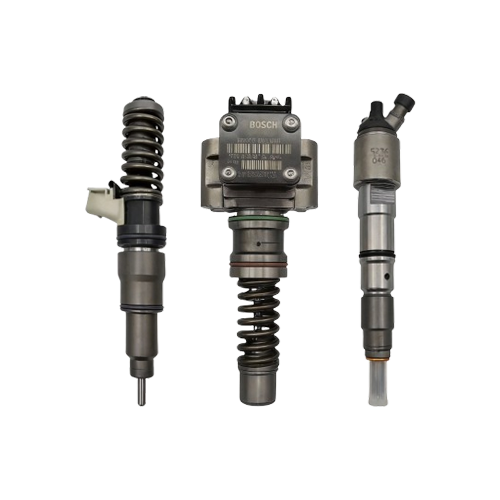
  • Ultrasonic Cleaning:​ The gold standard for removed injectors. If you’re already performing other engine work (like intake cleaning), having your injectors ultrasonically cleaned and flow-tested​ is the ultimate restorative maintenance. It’s especially valuable for high-performance or diesel applications. This process can make older, quality injectors like Bosch or Denso units​ perform like new.

Practice 5: Address Related Engine Issues Promptly

A Healthy Engine Supports Healthy Injectors.

Ignoring other problems stresses and contaminates the fuel system.

  • Fix Faulty Sensors:​ A bad oxygen sensor​ or mass airflow sensor​ can cause the engine to run too rich, leading to excessive carbon buildup on injectors and valves.
  • Maintain the PCV and EGR Systems:​ A clogged Positive Crankcase Ventilation (PCV) system can allow oil vapors into the intake, fouling injectors. A malfunctioning Exhaust Gas Recirculation (EGR) valve can cause excessive soot.
  • Use the Correct Engine Oil:​ Ensure you’re using the correct viscosity and specification oil. Excessive oil consumption or poor-quality oil can contribute to deposit formation.

The Maintenance Checklist & When to Seek Help

Monthly/Seasonally:

  • For diesel, check/empty the fuel filter water separator.
  • Add a quality fuel system cleaner to your tank.

At Every Oil Change (or 10,000 miles):

  • Visually inspect for fuel leaks around injectors and lines.
  • Consider a professional fuel induction cleaning service if you do mostly city driving.

As Recommended (or sooner):

  • CHANGE THE FUEL FILTER.​ This is non-negotiable.

Seek Professional Diagnosis If You Notice:​ Hard starting, rough idle, loss of power, or decreased fuel economy. Early detection from our guide on signs of needing a replacement​ can turn a major repair into a simple maintenance fix.

Conclusion: An Ounce of Prevention

Fuel injector maintenance is not about complex procedures; it’s about consistent, smart habits. By controlling fuel quality, vigilantly changing filters, driving conscientiously, and investing in occasional professional cleaning, you protect one of your engine’s most critical and costly components. The result is sustained performance, reliability, and fuel efficiency from the first start to well beyond 100,000 miles.

Maintain Performance with Premium Parts.

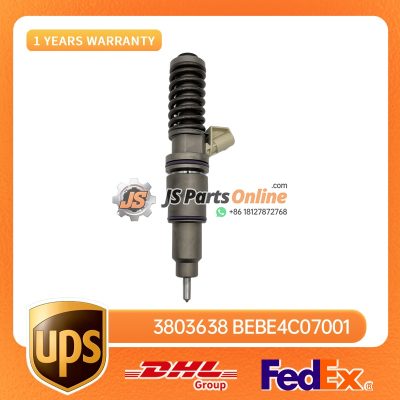
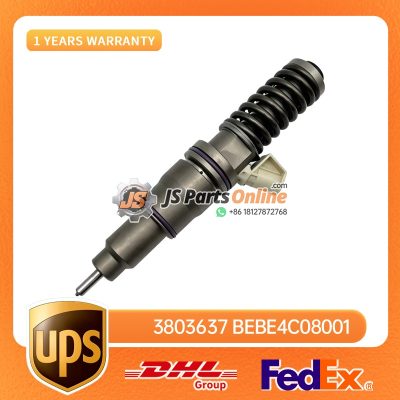
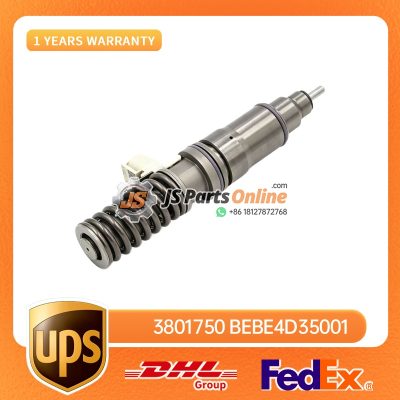
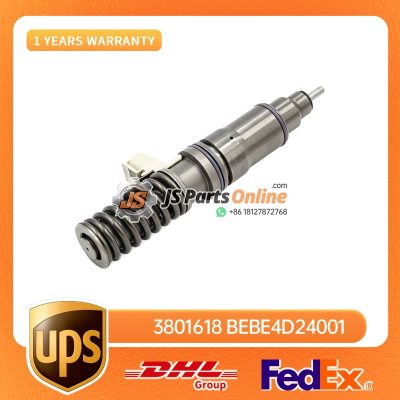
When maintenance reaches its limit and replacement is needed, ensure your engine gets the quality it deserves. JSPartsonline supplies the OEM-specification fuel injectors, filters, and seal kits that are the foundation of any good maintenance plan.

Keep your injection system in peak condition. Browse our maintenance parts catalogor contact our teamfor advice on keeping your specific engine running smoothly.

author avatar
JSpartsonline