
Fuel Injector Lifespan: How Often Should You Replace Them?
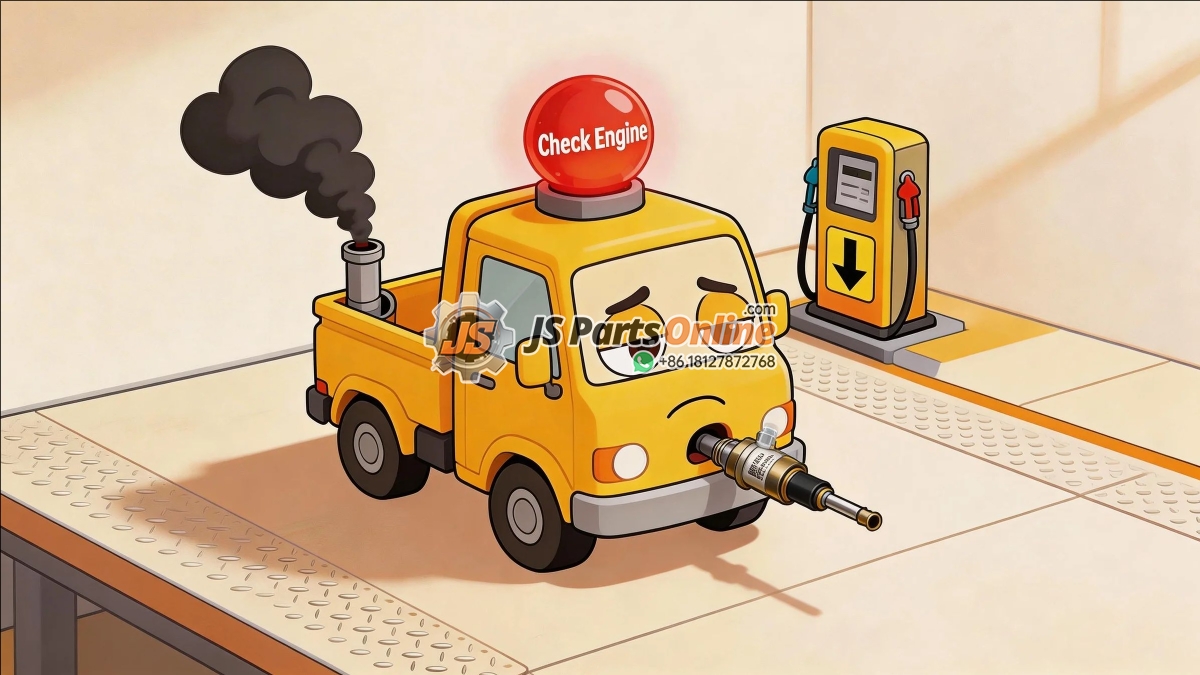
“How often should I replace my fuel injectors?” is a common question with a frustratingly accurate answer: it depends. Unlike spark plugs or engine oil, there is no universal mileage interval for fuel injector replacement. Modern fuel injectors are engineered for longevity, often designed to last the life of the vehicle under ideal conditions. However, “ideal” is the key word. Their actual lifespan is dictated by usage, maintenance, and fuel quality. This guide will cut through the guesswork. We’ll explore the factors that degrade injectors, the unambiguous symptoms of failure, and provide a clear framework to determine if and when you need to consider fuel injector service or replacement.
Why There’s No Standard Replacement Mileage
Fuel injectors are precision electro-mechanical components. They don’t “wear out” on a fixed schedule but succumb to cumulative stressors. Think of them like high-performance athletes: with proper care (quality fuel, clean systems), they can perform exceptionally for decades. With poor treatment (contamination, neglect), they fail prematurely.
While some manufacturers may suggest inspection intervals (e.g., every 100,000 miles for severe service), a hard replacement rule doesn’t exist. Your decision should be based on performance symptoms and diagnostic testing, not just odometer reading.
The 5 Key Factors That Shorten Fuel Injector Life
Understanding these enemies is the first step in prevention.
- Fuel Contamination (The #1 Killer): Microscopic abrasives in dirty fuel act like sandpaper on tight-tolerance injector parts. Water in fuel causes internal corrosion and pitting of the nozzle holes. This is why the fuel filter is your injector’s most vital protector.
- Poor Fuel Quality & Lack of Detergents: Low-quality gasoline or diesel can leave behind gum and varnish deposits that clog the injector’s fine spray passages. Top-tier fuels contain additives that help keep injectors clean.
- Heat and Electrical Stress: Injectors live in a hot engine bay. Constant thermal cycling and electrical loads can eventually degrade internal coils and insulation, leading to solenoid failure.
- Infrequent Use (Letting a Vehicle Sit): Fuel left in an injector can evaporate, leaving hard deposits that can stick the pintle or needle valve. This is a major issue for seasonal equipment or rarely driven vehicles.
- Pre-Existing Engine Problems: A faulty oxygen sensor or MAF sensor can cause the engine to run too rich or too lean, creating excessive carbon that fouls injector tips.
Clear Symptoms It’s Time to Test or Replace Your Injectors
Don’t ignore these warning signs. They often start subtly and worsen over time.
- Check Engine Light: Codes like P0300 (random misfire), P0301-P0312 (cylinder-specific misfire), or P0171/P0174 (system too lean) can point to injector issues.
- Rough Idle, Vibration, or Misfires: A clogged or stuck injector disrupts the air-fuel balance in its cylinder, causing a noticeable shake, especially at idle.
- Hard Starting Condition: If an injector is leaking internally (dripping fuel when off), it can flood the cylinder, making hot starts particularly difficult.
- Reduced Fuel Economy: A dirty injector can’t atomize fuel properly, leading to inefficient combustion. You’ll visit the gas station or pump more often for the same distance.
- Loss of Engine Power and Acceleration: Poor spray pattern or low flow means less usable power is generated during combustion.
- Fuel Odor and Visible Leaks: External leaks from the injector body or seals pose a fire hazard and require immediate attention.
- Failed Emissions Test: Faulty injectors increase unburned hydrocarbon (HC) emissions, a common reason for test failure.
For a deeper dive into diagnostics, see our guide on how to test a diesel fuel injector.
The “Repair vs. Replace” Decision Tree
When symptoms appear, follow this logical progression:
- Diagnose, Don’t Guess: Use an OBD2 scanner for codes. Perform a fuel system pressure test and consider a leak-down test to identify leaking injectors.
- Try Cleaning First: For symptoms of clogging (rough idle, poor economy), a professional fuel injection cleaning service is a cost-effective first step. For severe deposits, ultrasonic cleaning of removed injectors can be highly effective.
- Test for Failure: If cleaning doesn’t resolve the issue, the injector likely has a mechanical or electrical fault. Testing with a multimeter (for solenoid resistance) and a professional pop tester/flow bench is the definitive way to confirm a need for replacement.
- Consider Matched Sets: On high-mileage engines, if one injector fails, others are often near the end of their life. Replacing in matched sets (especially for direct injection or diesel) can restore like-new balance and prevent a domino effect of future failures. Explore our inventory of matched multi-port fuel injector sets.
Proactive Maintenance: How to Maximize Injector Lifespan
You can significantly extend the life of your injectors with these habits:
- Change Your Fuel Filter Religiously: This is the single most important maintenance item. Replace it at or before the manufacturer’s interval.
- Use Quality Fuel: Purchase from reputable, high-volume stations. Periodically use a fuel system cleaner from a trusted brand.
- Address Engine Problems Promptly: Fix faulty sensors, EGR valves, and PCV systems that can increase carbon buildup.
- Store Vehicles Properly: Use a fuel stabilizer for equipment that will sit for more than a few months.
Conclusion: Lifespan is a Function of Care
There is no magic mileage number for fuel injector replacement. A well-maintained injector in a commuter car could last 150,000+ miles. A neglected injector in a work truck might fail at 60,000 miles. Pay attention to your vehicle’s performance, prioritize fuel system maintenance, and use diagnostics to make informed decisions.
Need a Reliable Replacement Injector?
If your diagnostics confirm that cleaning is no longer an option, choosing a high-quality replacement is critical. JSPartsonline supplies OEM-specification and performance fuel injectors you can rely on, backed by over a decade of expertise in fuel systems. Don’t settle for parts that can compromise performance. Browse our catalog to find your exact injectoror contact our technical teamfor personalized assistance.
Posts Widget
-
1

-
2

-
3
-
4


JSPartsonline:
Focus on injectors for 12 years,We sell high-quality fuel injectors at competitive prices.
Copyright 2025 © YUN·X . All right reserved.
