GDI vs Port Fuel Injection: Key Differences, Pros, Cons & Maintenance

GDI vs Port Fuel Injection: Key Differences, Pros, Cons & Maintenance

Under the hood of modern vehicles, you’ll find one of two dominant fuel delivery strategies: Port Fuel Injection (PFI)​ or Gasoline Direct Injection (GDI). This isn’t just a minor engineering choice—it fundamentally changes how your engine breathes, performs, and requires maintenance. As a vehicle owner or technician, understanding the key differences between GDI and port injection is crucial for diagnosing issues, performing correct maintenance, and selecting the right parts. This guide will clearly explain how each system works, break down their respective advantages and trade-offs, and provide targeted maintenance advice to keep your specific injection system—and its precision fuel injectors—running at peak performance for years to come.

The Core Difference: Where the Fuel Meets the Air

The most fundamental distinction is the location where fuel is introduced into the combustion process.

  • Port Fuel Injection (PFI / MPI):​ Fuel is injected into the intake port, just upstream of the intake valve. The fuel mixes with incoming air in the port beforeentering the combustion chamber.
  • Gasoline Direct Injection (GDI / DI):​ Fuel is injected at extremely high pressure directly into the combustion chamber, mixing with air only milliseconds before ignition.

This simple difference in location creates a cascade of effects on engine design, efficiency, power, and maintenance needs.

How Port Fuel Injection Works: The Established Standard

For decades, PFI was the gold standard, replacing carburetors. Its operation is straightforward:

  1. The fuel pump sends fuel (at ~40-60 PSI) to a fuel rail.
  2. The ECU triggers the port fuel injector, which sprays a fine mist of fuel into the intake port.
  3. This fuel-air mixture is drawn into the cylinder when the intake valve opens.
  4. The spark plug ignites the homogeneous mixture.

Key Characteristics:

  • Lower Pressure:​ Operates at relatively low fuel pressure.
  • Excellent Mixing:​ Fuel and air have more time and space to mix, creating a uniform mixture.
  • Self-Cleaning:​ The washing action of fuel over the back of the intake valve helps keep it clean of carbon deposits.

How Gasoline Direct Injection Works: The Modern Powerhouse

GDI is a key technology enabling modern efficiency and performance. Its process is more precise and intense:

  1. A high-pressure fuel pump (driven by the camshaft) ramps up pressure to 2,000 PSI or more.
  2. The ECU triggers the GDI fuel injector​ located inside the combustion chamber.
  3. The injector sprays fuel directly into the cylinder, often in a specific, stratified pattern.
  4. The spark plug ignites the mixture. The injection timing can be precisely controlled, even allowing multiple injection events per cycle.

Key Characteristics:

  • Very High Pressure:​ Requires robust pumps and injectors.
  • Precise Control:​ Allows for advanced combustion strategies like ultra-lean burn.
  • Charge Cooling:​ The vaporization of fuel inside the cylinder has a cooling effect, allowing for higher compression ratios and more aggressive turbocharging without knock.

Head-to-Head Comparison: Advantages & Trade-Offs

FactorPort Fuel Injection (PFI)Gasoline Direct Injection (GDI)
Power & EfficiencyGood balance.Superior.​ Higher potential power density and fuel economy due to precise control and charge cooling.
Low-End TorqueAdequate.Excellent.​ High pressure allows better atomization at low RPM, improving response.
EmissionsClean, but limited by mixture homogeneity.Potentially Lower.​ Enables leaner combustion modes. However, can produce more particulates (soot).
Carbon BuildupMinimal on valves.​ Fuel spray cleans the intake valves.A Major Issue.​ No fuel washes over intake valves, allowing crankcase vapors (PCV) to form hard carbon deposits. This is a primary GDI maintenance concern, as covered in our guide on common fuel injector problems.
Fuel Injector LocationIntake manifold, cooler environment.Inside combustion chamber, exposed to extreme heat and pressure.
Injector Cost & ComplexityLower cost, simpler design.Higher cost, more complex, capable of withstanding extreme conditions.
System CostLower.Higher (requires high-pressure pump, robust injectors, more sophisticated ECU).
Fuel Quality SensitivityTolerant.Very Sensitive.​ Carbon buildup and injector clogging are accelerated by low-quality fuel.

Maintenance Implications: Caring for Your Specific System

Your maintenance strategy must adapt to your engine’s injection type.

For PORT INJECTION Systems:

  • Focus:​ The injectors themselves. Keep them clean for a good spray pattern.
  • Best Practice:​ Regular use of a high-quality fuel injector cleaner​ in the gas tank is very effective, as the cleaner flows directly over the injector nozzles.
  • Maintenance Needs:​ Generally lower. The primary failure points are clogged injectors or external O-ring leaks.

For GDI Systems:

  • Focus 1: The Injectors.​ They are under immense stress. Use Top Tier detergent gasoline​ religiously to prevent nozzle coking. Professional GDI-specific cleaning services​ or, in severe cases, ultrasonic cleaning, are often necessary. For high-quality replacements, see our selection of direct injection fuel injectors.
  • Focus 2: The Intake Valves.​ Carbon buildup is inevitable. Plan for walnut shell blasting​ or chemical cleaning of the intake ports as a periodic maintenance item (often every 60k-100k miles).
  • Focus 3: The High-Pressure Pump.​ It is a critical, wear item. Listen for unusual noise and ensure fuel filtration is perfect.

Universal Maintenance:​ Regardless of type, changing the fuel filter at strict intervals​ is the most important thing you can do to protect the entire fuel system, especially the precision injectors. This is the core message of our fuel injector maintenance guide.

The Hybrid Solution: Dual Injection (Port + Direct)

Some manufacturers (e.g., Toyota, VW, BMW) now employ both systems on the same engine. Typically:

  • Port Injectors​ operate at low/medium loads for cleanliness and smoothness.
  • GDI Injectors​ take over at high loads for maximum power and efficiency. This combines the benefits of both while mitigating carbon buildup, but adds complexity and cost.

Which System is “Right” for You?

As a driver or technician, the choice is often made for you by the vehicle you own or service.

  • If you drive an older vehicle or prioritize simplicity and lower maintenance costs, Port Injection​ is a proven, reliable technology.
  • If you drive a modern vehicle (roughly 2012+) and prioritize maximum efficiency and performance, GDI​ is the standard. Be prepared for its specific, and sometimes more involved, maintenance requirements.

As a parts provider, understanding this distinction is key to providing the correct component. The injector for a PFI system is not​ interchangeable with a GDI injector, even for the same engine family.

Conclusion: Two Paths to Power, One Need for Precision

Both port and direct injection are engineering marvels that have dramatically improved the internal combustion engine. PFI offers robustness and simplicity, while GDI delivers cutting-edge efficiency and power at the cost of increased complexity. The common thread is the fuel injector—a precision component that must perform flawlessly in either environment. Recognizing the strengths and requirements of your vehicle’s specific system is the first step toward proactive care and informed repair decisions.

Equip Your System with the Right Injector.

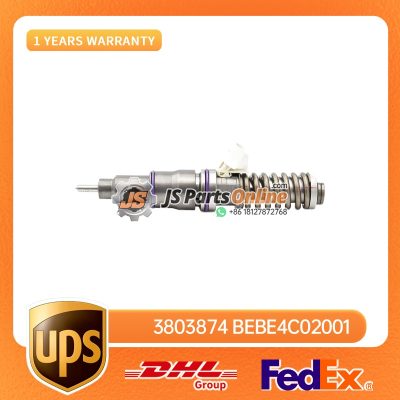
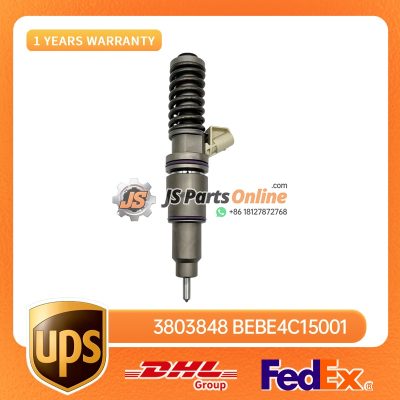
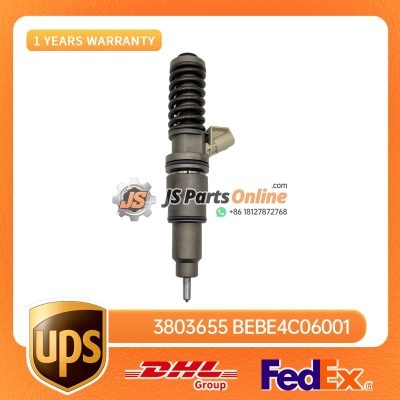
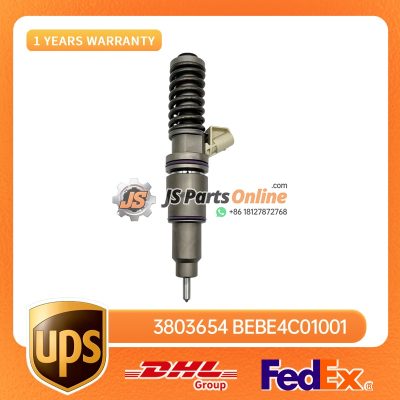
Whether your engine uses the seasoned reliability of port injection or the high-tech precision of direct injection, it deserves an injector engineered to match its original specifications. JSPartsonline supplies a full range of both PFI and GDI injectors, ensuring perfect compatibility and performance.

Identify your injection type and find the perfect injector for your needs. Browse our catalog by application and injection typeor contact our expertsfor help selecting the right part for your port or direct injection engine.

author avatar
JSpartsonline