
Marine Engine Fuel Injectors: Conquering the Unique Challenges of the Marine Environment
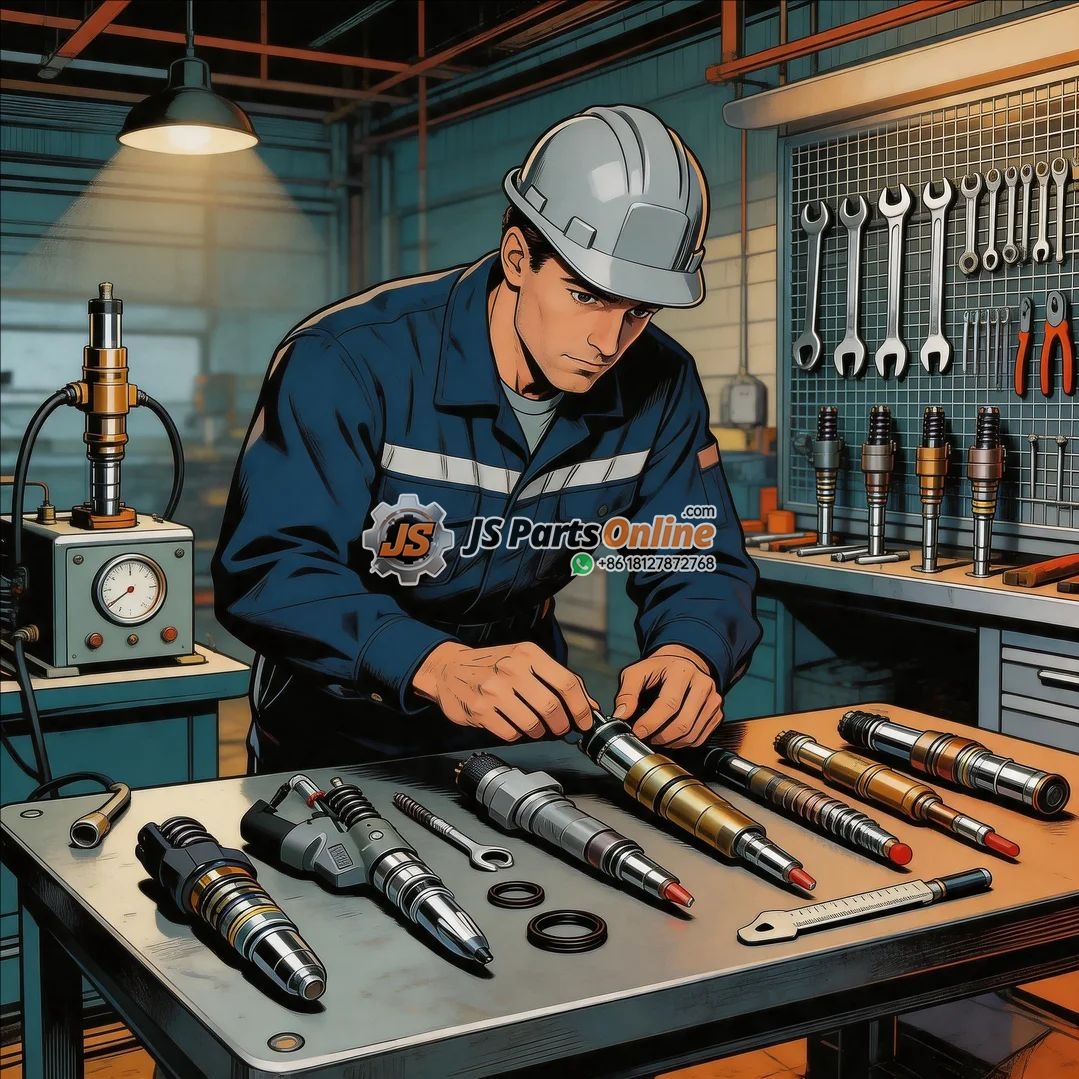
The demands on a marine engine are unrelenting: constant high load for hours or days, pervasive salt-laden air, relentless vibration, and the critical need for absolute reliability far from shore. At the heart of this dependable power lies the fuel injection system, and it’s precision components are subjected to a unique set of adversaries unseen in land-based applications. Marine fuel injectors are not merely marinized versions of their truck counterparts; they are engineered to a different standard, built to survive where failure is not an option. This guide dives into the specific challenges of the marine environment, explains how premium marine injectors are designed to overcome them, details the most common failure modes on the water, and provides a battle-tested maintenance protocol to ensure your vessel’s heart beats strong, season after season.
The Marine Crucible: A Hostile Operating Environment
The ocean presents a perfect storm of conditions that test fuel injection systems to their limits:
- Saltwater Corrosion & Humidity: Salt is highly corrosive to metals and can degrade electrical insulations. High humidity promotes condensation inside fuel tanks and systems, leading to water contamination.
- Constant High Load Operation: Unlike automotive cycles, marine propulsion engines often run at 70-85% of rated power for extended periods. This places injectors under sustained thermal and mechanical stress, requiring superior cooling and material durability.
- Severe Vibration & Shock: Engine movement on mounts, wave impact, and propeller forces transmit significant vibration through the engine structure. Electrical connections and precision internal components must resist fatigue and fretting.
- Variable and Often Lower-Quality Fuel: Vessels refuel in ports worldwide, encountering variable fuel standards. Storing fuel for long periods (lay-up) invites microbial growth (“diesel bug”) and water accumulation.
- Limited Access & Critical Reliability: A failure at sea is costly and dangerous. Components must be exceptionally reliable, and maintenance must be proactive and precise.
Engineering for the Sea: Key Design Features of Marine Injectors
To meet these challenges, marine-grade injectors incorporate specific design elements:
- Advanced Corrosion Protection:
- Coatings & Materials: Critical external surfaces feature high-grade zinc-nickel plating, dichromate sealing, or proprietary marine-grade coatings far beyond standard automotive finishes. Stainless steel fasteners and fittings are common.
- Sealed Electrical Connections: Connectors are often potted or use special seals to prevent moisture ingress and salt corrosion, which can cause erratic electrical signals or short circuits.
- Enhanced Cooling & Thermal Management:
- Given the sustained high load, effective heat dissipation is critical. Marine injectors are designed with optimized fuel flow paths to carry heat away, and their integration with the engine’s cooling system (if coolant-cooled) is critical. Overheating leads to accelerated nozzle coking and internal carbonization, a primary cause of the performance degradation seen in worn injectors.
- Robust Construction for Vibration Resistance:
- Internal components are designed and assembled to withstand resonant frequencies common in marine installations. Solenoid coils are securely potted, and internal springs are rated for high-cycle fatigue.
- Fuel Compatibility and Contamination Resistance:
- While not unique in design, the need to handle variable fuels underscores the importance of using injectors built with premium, tolerant materials. Their survival is directly tied to the quality of upstream filtration, making the principles in our fuel quality guide absolutely critical for marine applications.
Common Marine Injector Failure Modes & Diagnostic Signals
Recognizing these ocean-specific symptoms can prevent a minor issue from becoming a major casualty.
- Corrosion-Induced Electrical Failure:
- Symptom: Intermittent or persistent misfire on one cylinder, often worsening in damp conditions. May cause fluctuating RPM or rough idle.
- Cause: Salt corrosion on the injector electrical connector pins or internal moisture ingress degrading the solenoid.
- Diagnosis: Visual inspection for green/white corrosion on connectors. Resistance check of the injector solenoid. This is a definitive reason for replacement.
- Nozzle Coking from Long-Term High Load & Thermal Stress:
- Symptom: Gradual loss of top-end RPM and power, increased black smoke under load, and higher fuel consumption for a given speed.
- Cause: Sustained high cylinder temperatures combined with any fuel impurities lead to hard carbon deposits on the nozzle, destroying the precision spray pattern. This is a chronic issue in marine service.
- Prevention & Solution: Exceptional fuel filtration and periodic use of certified fuel additives. For restoration, professional ultrasonic cleaning and testing is highly effective if wear is minimal.
- Water Ingress and Microbial Contamination Damage:
- Symptom: Sudden power loss, rough running, or failure to start. Multiple injectors may be affected. Fuel filters may clog rapidly.
- Cause: Water in fuel leads to corrosion of precision internal parts. Microbial growth creates sludge that clogs injector inlet filters and nozzles.
- Diagnosis: Inspection of fuel filters and water separators for biomass. Water detection paste in the filter bowl. This is the most preventable disaster, emphasizing the maintenance steps in our commercial vehicle guide, which are equally vital for vessels.
- Fatigue Failure from Vibration:
- Symptom: Cracked injector body (rare but catastrophic) or a persistent fuel leak at the body seam. May also manifest as a broken wire or loose connector.
- Cause: Long-term exposure to engine vibration frequencies that exceed design dampening.
The Maritime Maintenance Protocol: A Pillar of Seaworthiness
Marine engine maintenance is not optional; it’s a safety and reliability imperative.
- Fuel Management is Sacred:
- Polish Your Fuel: Install a dual-stage, high-capacity fuel polishing/water separation system. Run it regularly, especially after refueling or before a long lay-up.
- Use Biocides and Stabilizers: Treat fuel with EPA-certified biocides to prevent microbial growth during storage. Use stabilizers for seasonal lay-up.
- Drain Water Separators Daily: Make it part of the daily engine check. The small amount of water you drain today prevents a major repair tomorrow.
- Corrosion Prevention Rituals:
- During washdowns, protect electrical components. Regularly inspect injector connectors and harnesses. Apply a dielectric grease or corrosion inhibitor designed for marine electrical connections.
- Ensure engine room ventilation is adequate to control humidity.
- Operate to Preserve Injector Health:
- After long periods at idle or low load (e.g., docking), run the engine at a moderate load (under way) for a sustained period to bring it to full operating temperature. This helps burn off combustion chamber and injector tip deposits.
- Avoid prolonged operation at the extreme upper end of the RPM range for recreational vessels.
- Professional Inspection and Cleaning:
- Based on engine hours and fuel quality, consider having injectors professionally removed, ultrasonically cleaned, and flow-tested as a preventative measure during major service intervals. This can restore performance and identify a weak injector before it fails.
The Replacement Decision: Specifying for the Sea
When replacement is necessary, the marine environment dictates specific choices:
- Genuine OEM Marine Parts: Always the benchmark. These are specified and tested by the engine manufacturer for the exact application.
- Premium Marine-Rated Aftermarket: Select suppliers who explicitly rate their components for marine use and can provide the corrosion protection and performance specifications. The risks of automotive-grade parts in marine service are significant.
- Coding/Calibration: Modern electronic marine engines require injector coding just like their land-based counterparts. Ensure your technician has the correct software and skills to perform this task, as outlined in our coding guide.
Conclusion: Engineering for Autonomy and Trust
A marine fuel injector is a component engineered for environments where redundancy is limited and self-sufficiency is paramount. Its reliability is the product of specialized materials, protective design, and, most importantly, disciplined stewardship. By understanding the unique corrosive, vibrational, and operational challenges of the marine world, and by adhering to a stringent protocol of fuel management, corrosion control, and proactive maintenance, you directly invest in the safety, range, and reliability of your vessel. In the world of blue water, confidence is powered by precision.
Equip Your Vessel with Components Built for the Brine.
Don’t let a standard component become the weakest link in your marine power system. JSPartsonline provides access to fuel injection components engineered or specified to meet the severe demands of the marine environment, helping you ensure dependable power from harbor to horizon.
Demand marine-grade reliability. Find corrosion-resistant fuel system components for your marine applicationor consult with our marine power specialistsfor technical support and application advice.






JSPartsonline:
Focus on injectors for 12 years,We sell high-quality fuel injectors at competitive prices.
Copyright 2025 © YUN·X . All right reserved.
