
2026 Fuel Injection Market Trends: AI, Ultra-High Pressure & The Carbon-Neutral Pathway
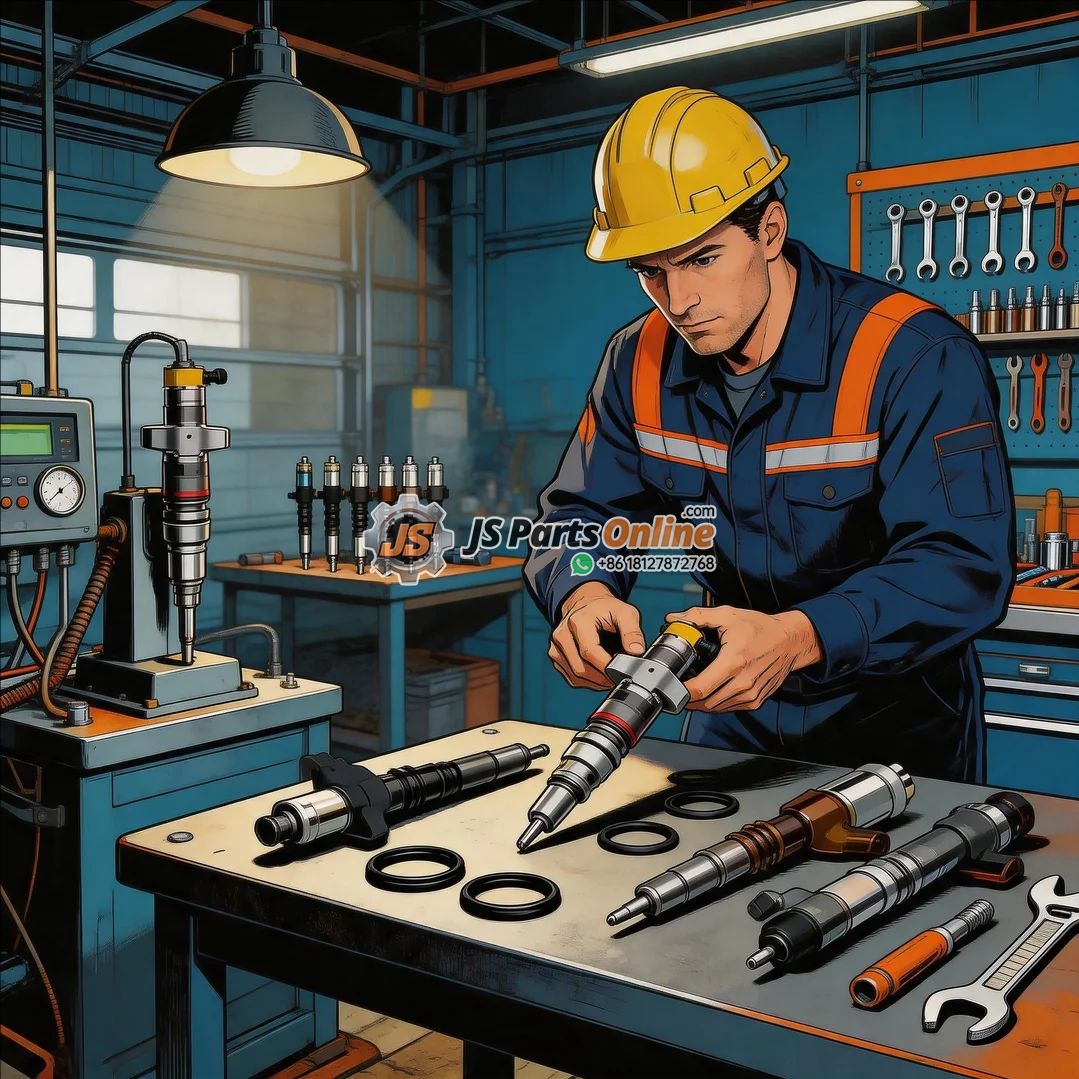
As we move deeper into the 2020s, the fuel injection industry is no longer just responding to regulatory mandates; it is actively defining the future of efficient combustion in a carbon-constrained world. The convergence of extreme engineering, digital intelligence, and energy diversification is creating a market landscape far more dynamic and stratified than even two years ago. For leaders in procurement, fleet operations, and technology strategy, the old playbooks are obsolete. Success in 2026 hinges on understanding how artificial intelligence is transforming component health from a reactive cost to a managed asset, why pressures are pushing beyond 3500 bar, and what it means to specify an injector for a multi-fuel future. This analysis cuts through the noise to identify the five dominant trends that are setting the agenda for 2026 and beyond, providing a strategic framework for investment, innovation, and competitive advantage.
Trend 1: The AI-Powered Injector: From Component to Cognitive Node
The most profound shift is the injector’s evolution from a mechanical actuator to a data-rich, intelligent node within the vehicle’s central nervous system.
- Real-Time Performance Optimization: Advanced engine control units (ECUs) now use machine learning algorithms to analyze data from in-cylinder pressure sensors and injector feedback signals in real-time. This allows for adaptive, per-cycle injection tuning that compensates for fuel batch variations, injector aging, and ambient conditions, maximizing efficiency and minimizing emissions throughout the component’s life—a leap beyond static calibration codes.
- Predictive Health Analytics: By monitoring subtle changes in solenoid response times, hydraulic leakage rates, and flow characteristics, onboard AI can predict injector degradation weeks or months before a hard failure occurs. This enables condition-based replacement, transforming maintenance from a scheduled cost into a strategic optimization tool, dramatically reducing unplanned downtime for fleets.
- Market Impact: This creates a new premium tier for “smart” injectors with embedded sensors and validated data models. It also raises the stakes for data ownership and cybersecurity, as the value of the component is inextricably linked to the intelligence it generates and utilizes.
Trend 2: Ultra-High Pressure (3500+ Bar) & The Materials Frontier
The pursuit of thermodynamic efficiency continues to push the boundaries of physics, making what was extreme in 2024 the new commercial standard.
- The 3500 Bar Era: In heavy-duty diesel, 3500-4000 bar common-rail systems are transitioning from R&D to production for flagship engines targeting the latest global emissions standards. This pressure enables near-complete, soot-free combustion even at low loads, crucial for urban duty cycles.
- Advanced Material Composites: Sustaining these pressures requires more than refined steel. We are seeing the integration of ceramic nozzle tips, diamond-like carbon (DLC) coatings on plungers, and high-strength nickel alloys in critical wear areas. These materials, while costly, are essential for achieving the required durability of 1 million miles or more, directly impacting the total cost of ownership calculation.
- Precision Manufacturing at Scale: Tolerances are now measured in single-digit microns. This is consolidating manufacturing capability among a few global leaders and raising the barrier to entry for the aftermarket, demanding unprecedented levels of metrology and flow matching precision.
Trend 3: Fuel-Agnostic & Hydrogen-Ready Platform Design
With the energy transition accelerating, injector design is no longer about optimizing for a single fuel, but for flexibility.
- Platform-Based Architectures: Leading OEMs and Tier 1 suppliers are developing injector “platforms” where core housings and actuators are designed to be fuel-agnostic. By swapping out materials in the fluid path (seals, seats, nozzles), the same base platform can be validated for diesel, renewable diesel (HVO), synthetic e-fuels, and even hydrogen combustion.
- Hydrogen Combustion Injectors Take Center Stage: For large-scale transport and power generation where batteries are impractical, hydrogen internal combustion engines (H2-ICE) are gaining serious traction. The injectors for these applications operate at vastly different pressures (300-700 bar for direct injection) and must prevent hydrogen embrittlement in metals, presenting a wholly new materials science challenge and a massive future market.
- Market Impact: This trend demands a shift in procurement strategy. Fleet managers must now consider not just today’s fuel, but their potential fuel pathway over the next decade, making future compatibility a key purchasing criterion.
Trend 4: The “Smart Supply Chain” & Digital Twins
Global instability has cemented the need for resilient supply chains, and digital technology is providing the solution.
- Digital Twins for Inventory & Performance: Major distributors and large fleets are implementing digital twin models of their fuel system inventories. These virtual models simulate real-world performance, predict failure rates based on operational data, and optimize stock levels dynamically, turning inventory from a cost center into a strategic asset.
- Blockchain for Provenance & Anti-Counterfeiting: With the high cost of premium injectors, ensuring authenticity is critical. Blockchain-based serialization is becoming more common, providing an immutable record of a component’s origin, material certifications, and test data—a powerful tool against the costly risk of counterfeit parts.
- On-Demand, Localized Remanufacturing: 3D printing of non-stressed components and advanced local repair cells are enabling faster turnaround of high-value remanufactured injectors, reducing dependence on long-distance logistics for core processing.
Trend 5: Regulatory Convergence & The Total Emissions Audit
Regulations are expanding beyond tailpipe measurements to consider the entire lifecycle, influencing technology choices.
- Well-to-Wheel & Carbon Intensity: Policies increasingly favor technologies compatible with low-carbon-intensity fuels. An injector that enables efficient use of biofuel or e-fuel may provide regulatory credits or avoid future penalties, adding a new dimension to the value proposition beyond mere performance.
- Durability and Surveillance: Regulations like Euro VII include stringent durability requirements (e.g., 875,000 km or 7 years) and onboard monitoring (OBM) to ensure emissions systems, including injectors, perform within specs over their full useful life. This places a premium on proven, durable designs and comprehensive data logging.
Strategic Imperatives for 2026 and Beyond
- Embrace Data as a Core Asset: Invest in the tools and partnerships needed to collect and act on injector performance data. The shift from preventive to predictive maintenance is not optional; it’s a competitive necessity for cost control.
- Prioritize Platform Flexibility: In capital planning, favor fuel system components from suppliers demonstrating a clear roadmap for multi-fuel and hydrogen compatibility. This protects your assets against future energy shifts.
- Build Transparent, Tech-Enabled Supply Relationships: Partner with suppliers who offer digital provenance, robust technical data (not just a part number), and support for the AI-driven diagnostic ecosystem. Your supplier’s technological maturity is now part of your risk assessment.
- Upskill for System Intelligence: Technicians and managers must evolve from mechanical experts to data interpreters. Continuous training on new diagnostic software and data analytics platforms is critical.
Conclusion: The Intelligence Era of Combustion
The fuel injection market in 2026 is characterized by a fundamental duality: extreme physical performance married to sophisticated digital intelligence. The component on the shelf is merely a vessel; its true value is unlocked by the data it produces and the system intelligence it serves. Companies that view fuel injection through a purely transactional, mechanical lens will find themselves at a severe disadvantage. Those that adopt a strategic, systems-oriented, and data-informed approach will unlock new levels of efficiency, resilience, and readiness for the diverse energy landscape ahead. The future belongs not just to those who build the best injector, but to those who best harness its intelligence.
Navigate the Future with a Foresight Partner.
The pace of change demands a partner who looks beyond the catalog. JSPartsonline is committed to providing not only the latest component technologies but also the market intelligence, technical data ecosystems, and strategic insights needed to make confident, future-proof decisions.
Ready for what’s next? Discover our portfolio of next-generation, data-ready fuel system solutionsor schedule a consultation with our strategic advisory teamto map your 2026 technology pathway.






JSPartsonline:
Focus on injectors for 12 years,We sell high-quality fuel injectors at competitive prices.
Copyright 2025 © YUN·X . All right reserved.
