
Cold Weather & Fuel Injectors: How Winter Kills Performance & How to Fight Back
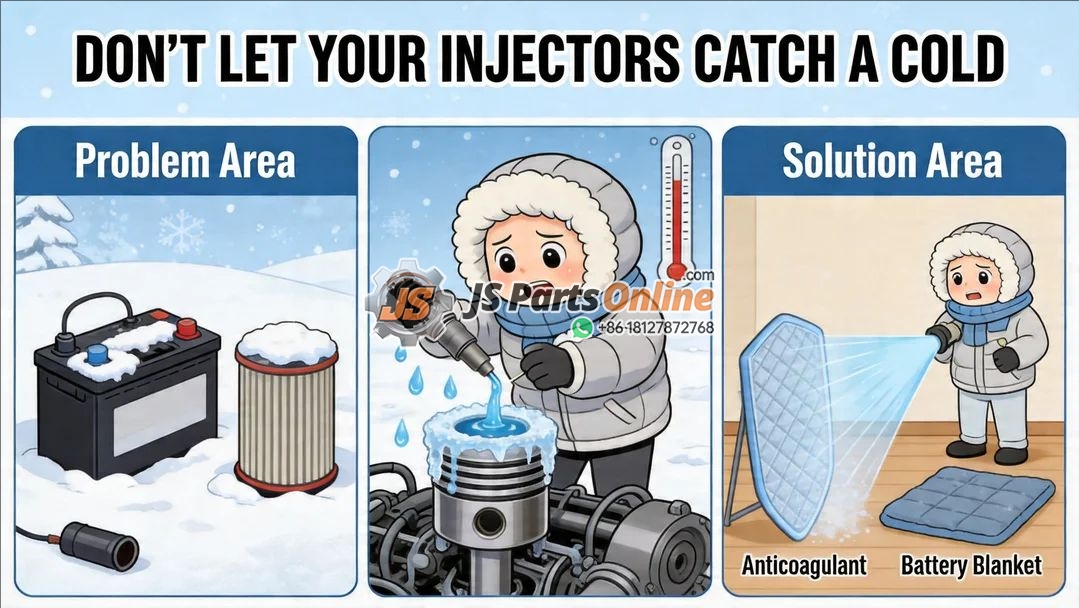
A crisp winter morning can turn into a frustrating ordeal when your engine cranks weakly, stumbles on startup, or blows clouds of white smoke. While a weak battery often gets the blame, the real battle for reliable cold-weather operation is fought in your fuel system, with the fuel injectors on the front line. Cold temperatures dramatically change the physics of fuel delivery and combustion, placing unique stresses on injectors and their supporting components. This guide explains the science behind cold-weather injector woes, provides targeted solutions for both gasoline and diesel engines, and outlines a preventive maintenance routine to ensure your vehicle starts and runs smoothly, no matter how low the mercury drops.
The Cold-Weather Assault on Your Fuel System
Cold doesn’t just make the air denser; it changes everything about how fuel moves, atomizes, and ignites.
- Fuel Thickening and Gelling (Primarily Diesel):
- The Problem: Diesel fuel contains paraffin wax that naturally solidifies as temperatures drop. This can cause fuel to thicken (“waxing”) or even turn to a gel-like consistency, clogging filters and starving injectors.
- Impact on Injectors: A restricted fuel filter causes low pressure to the injectors. The high-pressure pump may struggle, and injectors can be damaged from cavitation or simply not receive enough fuel to start.
- Poor Fuel Atomization:
- The Problem: Fuel is more viscous when cold. A cold injector nozzle and thick fuel result in a poor spray pattern—large droplets instead of a fine mist.
- Impact on Combustion: Large fuel droplets do not vaporize and mix with air efficiently. This leads to incomplete combustion, causing hard starts, rough idle, excessive smoke (white or black), and a significant loss of power until the engine warms up.
- Battery Voltage Drop and Injector Response:
- The Problem: A cold, weak battery delivers lower voltage to the vehicle’s electrical system during cranking.
- Impact on Injectors: Fuel injector solenoids rely on specific voltage to open crisply. Low voltage can slow the injector’s response time (increased effective latency), disrupting the precise fuel timing needed for a clean start. This electrical sluggishness is a hidden culprit in many hard-start diagnoses.
- Condensation and Water in Fuel:
- The Problem: Temperature swings cause condensation inside fuel tanks. Water in diesel fuel is a disaster—it promotes microbial growth (“diesel algae”), causes corrosion in精密 injector nozzles and pumps, and can freeze in lines.
- Impact on Injectors: Water accelerates injector corrosion and can cause instantaneous failure if it freezes in the injector’s internal passages.
Symptoms: Is It Your Injectors or Just the Cold?
Recognizing the specific symptoms helps you target the fix:
- Extended Cranking with Delayed Fire: The engine turns over for a long time before finally starting. This points to poor atomization or slightly low fuel pressure.
- Rough, Unstable Idle Immediately After Starting: The engine shakes and hunts for the correct RPM for 30-60 seconds. This is classic poor cold atomization and misfire.
- Excessive White or Blue Smoke on Startup: Unburned or partially burned fuel due to poor combustion. Should clear within a minute or two of operation.
- Lack of Power When Cold: The vehicle feels sluggish and unresponsive until fully warmed up.
- Complete Failure to Start (Diesel): Often accompanied by no smoke from the exhaust, indicating no fuel is being injected. This suggests gelled fuel, a frozen water filter, or a failed component.
Your Cold-Weather Defense Strategy: Solutions & Preventive Maintenance
For All Vehicles (Gasoline & Diesel):
- Use Seasonally Appropriate, High-Quality Fuel: Purchase fuel from high-volume stations. In winter, stations switch to a winter blend designed for better cold-weather performance. Consider Top Tier gasoline for its detergents.
- Install a Block Heater or Battery Blanket: This is the single most effective thing you can do. A warm engine starts easier, oil flows faster, and fuel vaporizes better. It dramatically reduces cold-start wear on all components.
- Ensure Your Battery is in Top Condition: A battery that’s weak in summer will fail in winter. Have it load-tested. Strong, stable voltage is critical for the ECU and injectors.
- Change Your Fuel Filter in the Fall: A fresh filter has maximum capacity to trap contaminants and will have less restriction. This is a core practice from our routine maintenance guide and is even more critical in winter.
For Diesel Vehicles (Critical Additional Steps):
- Use Anti-Gel Fuel Additives Religiously: Add a quality #1 diesel anti-gel additive to your tank beforethe temperature drops. It lowers the cloud point (the temperature at which wax forms) and the pour point (the temperature at which it gels). Do not wait until you’re gelled up.
- Consider a Fuel Heater: For extreme climates, in-line fuel heaters or heated filter housings can prevent gelling in the lines between the tank and engine.
- Drain the Water Separator Frequently: Check and drain your vehicle’s fuel filter/water separator weekly in cold, damp weather. Water is your enemy.
- Park in a Garage or Out of the Wind: Even an unheated garage is significantly warmer than the outside air and provides protection from wind chill, which accelerates cooling.
What to Do If You’re Already Stuck with a Problem
- For a Gelled Diesel System:
- DO NOT keep cranking. You’ll drain the battery and could damage the starter or fuel pump.
- Add a “911” or emergency de-gel formula directly to the fuel filter housing if possible.
- Move the vehicle to a heated garage and let it warm up for several hours.
- You may need to replace the clogged fuel filter once thawed.
- For Persistent Cold-Start Issues:
- Perform a fuel pressure test to rule out a weak pump or pressure regulator.
- Use a scan tool to check for cylinder balance or contribution when the engine is cold and running poorly. This can identify a specific injector that is particularly sensitive to the cold, perhaps due to slight wear or deposits. Our diagnostic guide outlines this process.
- Consider a professional fuel injection cleaning service. Carbon deposits on injector tips exacerbate cold-start problems. A clean injector will atomize fuel better in all conditions.
The Role of Injector Health in Cold-Weather Reliability
A worn or dirty injector will fail spectacularly in the cold. Minute internal leakage, a degraded spray pattern, or sluggish electrical response that’s tolerable in summer becomes a show-stopper in winter. Ensuring your injectors are in top condition is a key part of winter preparation. If diagnostics point to a failing unit, replacing it with a quality, OEM-specification injector—or a matched set for high-mileage engines—is the lasting solution. This ensures precise fuel delivery when your engine needs it most, as reliability is the true measure of value discussed in our commercial vehicle analysis.
Conclusion: Winter-Readiness is a Fuel System State of Mind
Cold weather doesn’t cause new problems; it exposes and amplifies existing weaknesses in your fuel system. By understanding how cold affects fuel and injector operation, you can shift from reactive frustration to proactive preparedness. A combination of quality fuel additives, strong electrical health, timely maintenance, and healthy injectors will turn the most frigid morning into just another reliable start. Don’t let winter test your fuel system—prove to it that you’re ready.
Equip Your Engine for Unshakeable Cold-Weather Confidence.
From preventive additives to the high-precision injectors that deliver fuel flawlessly in any climate, JSPartsonline provides the components and expertise to ensure your vehicle operates with confidence all year round.
Prepare for the season. Browse our selection of fuel system maintenance products and reliable injectors, or contact our support teamfor personalized cold-weather advice for your vehicle.
Related products



Related Posts
-
1

-
2

-
3

-
4

-
5

-
6



JSPartsonline:
Focus on injectors for 12 years,We sell high-quality fuel injectors at competitive prices.
Copyright 2025 © YUN·X . All right reserved.
