
Listen & Feel: How to Diagnose Fuel Injector Problems by Sound & Vibration
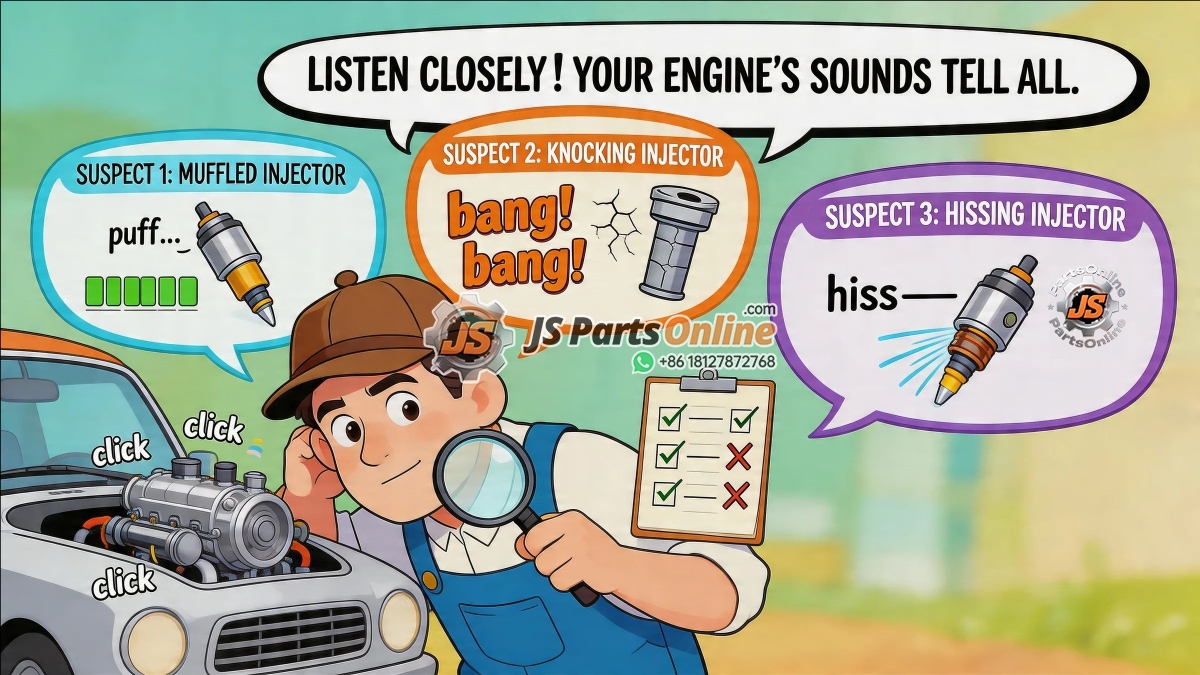
Before connecting a single diagnostic tool, your engine is already sending you clear signals about its health—through sound and vibration. A rough idle, a new knock, or an inconsistent ticking can be the first whispers of a fuel injector problem. Learning to interpret these physical cues is a powerful, immediate diagnostic skill. This guide will train your ears and hands to identify the specific sounds and vibrations associated with common injector failures. We’ll explain what a healthy injector should sound like, decode the warning signs of trouble, and show you how to use simple tools like a mechanic’s stethoscope to pinpoint the issue, helping you move from a general concern to a targeted diagnosis.
The Baseline: What a Healthy Fuel Injector Sounds Like
A functioning fuel injector in a gasoline or diesel engine produces a distinct, rapid clicking or ticking sound. This is the sound of the injector’s solenoid activating and the needle valve snapping open and closed thousands of times per minute.
- Character: The sound should be sharp, crisp, and consistent across all cylinders.
- Rhythm: It should match the engine’s RPM perfectly, speeding up as you press the accelerator.
- Tool: The human ear can often hear this, but a mechanical stethoscope or a long screwdriver (placed gently against the injector, handle to your ear) will isolate and amplify the sound from each individual unit.
Establishing this “healthy” baseline in your mind is the first step. Any deviation from this norm is a clue.
Decoding the Sounds: From Clicks to Knocks
Different failure modes produce distinct auditory signatures. Here’s what to listen for:
1. The Weak or Absent Click (Clogged or Dead Injector)
- The Sound: When listening to each injector with a stethoscope, one injector will sound noticeably duller, slower, or silent compared to the others. It may sound like a soft “tap” instead of a sharp “click.”
- What It Means: The injector is likely clogged with carbon deposits, severely restricting fuel flow, or its solenoid is electrically dead. The internal mechanism is either not moving or moving weakly. This often correlates with a cylinder misfire. For a full diagnostic procedure, refer to our guide on identifying injector-related misfires.
2. The Loud Knock or Rap (Leaking or Stuck Injector)
- The Sound: A distinct, heavy metallic knocking or rapping sound, often louder than the normal valve train noise, and synchronized with engine speed. It may be most audible at idle or low RPM.
- What It Means: This is often caused by an injector that is leaking fuel internally or stuck partially open. Fuel drips into the cylinder before the proper injection time and ignites prematurely (pre-ignition), creating a violent pressure spike that “knocks” against the piston. This is a serious condition that can cause engine damage. It’s a key symptom in our list of critical signs you need a replacement.
3. The Hissing or Whooshing (Vacuum Leak at Seal)
- The Sound: A constant air hissing or sucking sound near the base of an injector, especially at idle.
- What It Means: The lower O-ring or seal on the injector has failed, allowing unmetered air to be sucked into the intake manifold or cylinder head. This is a vacuum leak that causes a lean air/fuel mixture, leading to rough idle, hesitation, and high fuel trims. This underscores the critical importance of the seals covered in our fuel injector seal guide.
Interpreting the Vibrations: The Language of Shakes
Vibration is the physical manifestation of unbalanced power production. Your hands on the steering wheel or gearshift can feel what your ears hear.
1. Rough, Unsteady Idle (General Misfire)
- The Feel: The entire vehicle shudders or shakes rhythmically at a stop. The steering wheel may vibrate visibly.
- What It Means: One or more cylinders are not firing properly or with consistent power. This can be caused by a clogged injector, a severe vacuum leak at an injector seal, or multiple worn injectors. The engine’s computer is struggling to stabilize the RPM.
2. Isolated Vibration Under Load (Single Cylinder Issue)
- The Feel: A specific, periodic shake or shudder that pulses at engine speed, felt most during light throttle acceleration or when holding a constant RPM (like on the highway). It may come and go.
- What It Means: This often points to a single faulty cylinder. A weak or intermittently clogged injector in that cylinder is causing incomplete combustion, creating a power pulse that is out of sync with the others. This imbalance is what you feel.
Your Diagnostic Toolkit: Simple Tools for Sonic Clues
- The Screwdriver Method: A long, flat-blade screwdriver. Place the metal tip firmly on the injector body and press the plastic handle to your ear (CAUTION: Keep clear of moving belts and fans). This acts as a basic stethoscope.
- The Mechanic’s Stethoscope: A purpose-built tool with a probe to isolate sounds. It’s inexpensive and far superior for pinpointing noises.
- Your Hands: Feel along the fuel rail (when the engine is cool) for excessive vibration from one injector compared to others. Feel for air pulses near injector bases that might indicate a vacuum leak.
The Action Plan: From Sound to Solution
- Listen & Isolate: Use a stethoscope to find the injector that sounds wrong (dull click, loud knock, or hiss).
- Correlate with Data: If you have a scan tool, check for a misfire code (e.g., P0304) for the corresponding cylinder. This confirms your auditory finding.
- Perform a Swap Test (If possible): Swap the suspected faulty injector with a known good one from another cylinder. If the sound or misfire moves to the other cylinder, you’ve confirmed the injector is bad. If it stays, the problem is elsewhere (e.g., ignition coil, spark plug).
- Decide: Clean or Replace? A clogged injector causing a weak click might be restored with professional ultrasonic cleaning. A knocking or internally leaking injector must be replaced. This decision framework is detailed in our cleaning vs. replacement guide.
Conclusion: Become Fluent in Your Engine’s Language
Your senses are the first and most immediate diagnostic tools you possess. By learning to distinguish the healthy “click” from the worrisome “knock” and connecting vibrations to their root causes, you empower yourself to catch fuel injector problems early. This proactive approach can prevent minor issues from escalating into costly repairs, saving you time, money, and preserving your engine’s performance and longevity.
Find the Quiet, Smooth Performance Your Engine Deserves.
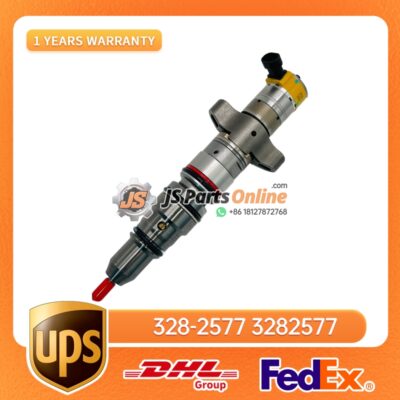
When your diagnosis points to a faulty injector, trust in replacement parts that restore harmony. JSPartsonline supplies precision-engineered fuel injectors designed to deliver the consistent, reliable performance that keeps your engine running smoothly and quietly.
Heard enough? Find the exact, high-quality replacement injector to restore your engine’s smooth songor contact our technical teamfor help interpreting your engine’s symptoms.
Related products
Related Posts
-
1

-
2

-
3

-
4

-
5

-
6



JSPartsonline:
Focus on injectors for 12 years,We sell high-quality fuel injectors at competitive prices.
Copyright 2025 © YUN·X . All right reserved.
