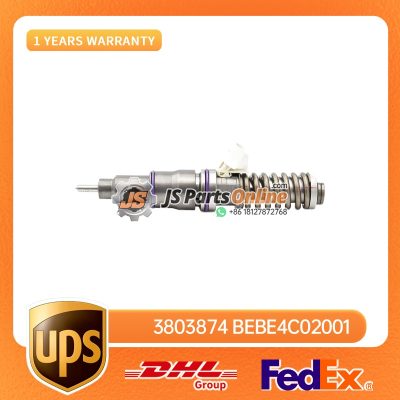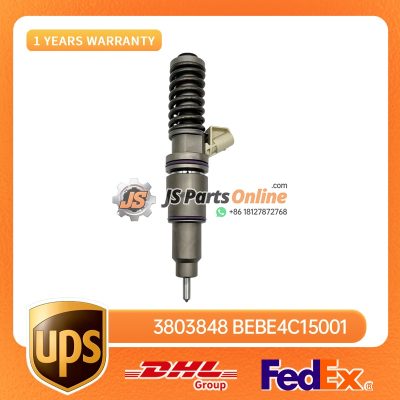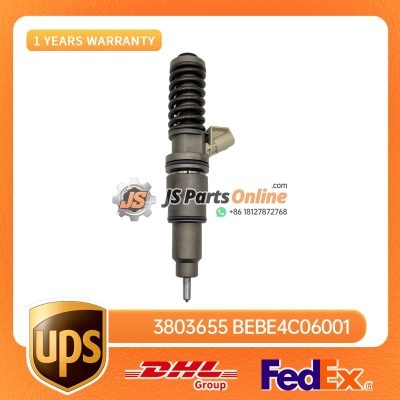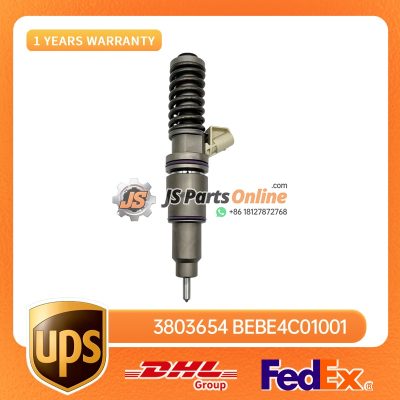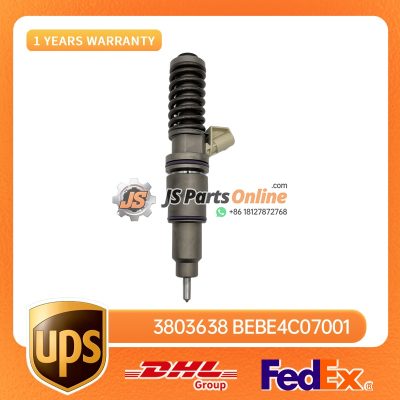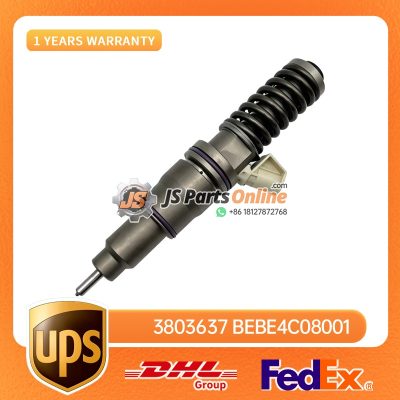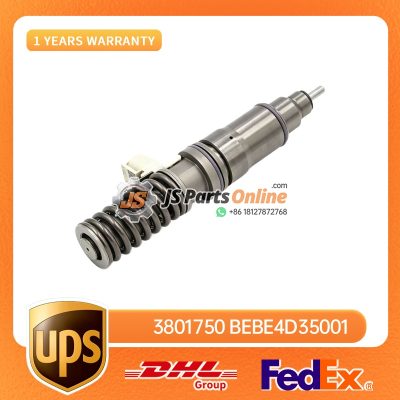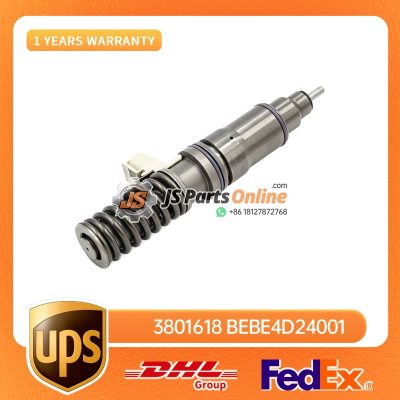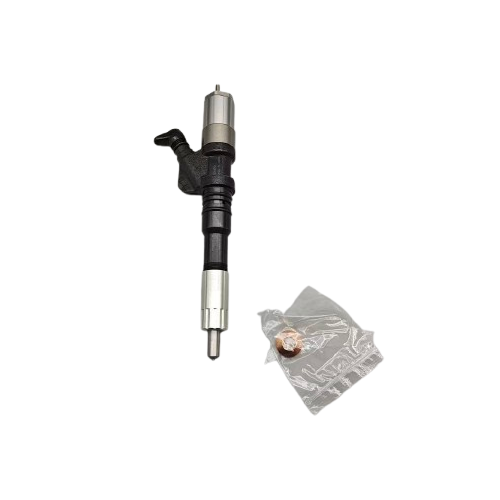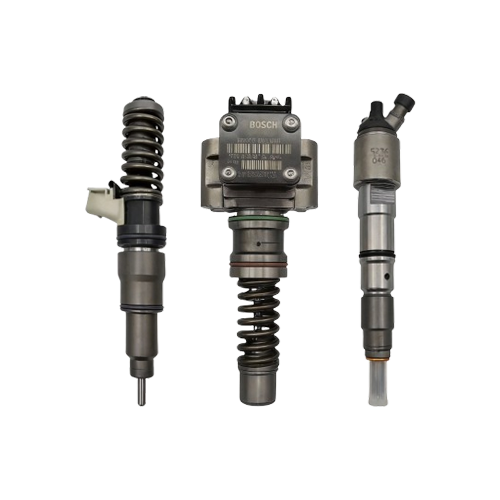
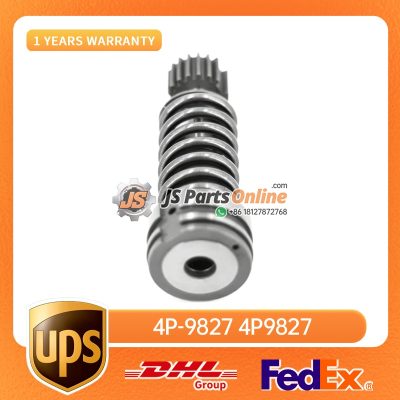
Caterpillar Fuel Injectors: A Deep Dive into Heavy-Duty Design & HEUI Technology
Caterpillar equipment doesn’t just operate; it endures. From the searing heat of a mine to the relentless vibration of a construction site, Cat engines are built to deliver power under the most punishing conditions. Central to this reputation for toughness is the fuel injection system, and specifically, the Caterpillar fuel injector. For owners of excavators, haul trucks, and generator sets, understanding the unique technology and failure modes of these injectors is paramount for minimizing costly downtime. This brand-focused guide delves into the heavy-duty engineering of Cat injectors, with a special focus on their revolutionary HEUI system. We’ll explain how they work, identify the most common signs of trouble, and provide a battle-tested maintenance strategy to maximize the life and reliability of your Caterpillar investment.
Caterpillar’s Injection Legacy: From Mechanical to Electro-Hydraulic
Caterpillar’s approach to fuel injection has evolved to meet ever-increasing demands for power, efficiency, and emissions control.
- Mechanical Unit Injectors (MUI): Found in older, legendary engines like the 3406. These are self-contained, camshaft-driven pumps and injectors in one unit. Renowned for simplicity and durability, they require precise mechanical adjustment. Failure to follow the correct installation and calibration procedure can lead to immediate engine damage.
- Electronics & The Advent of HEUI: As electronic control became essential, Caterpillar pioneered a unique solution that did not rely on a cam-driven high-pressure pump.
The HEUI System: Caterpillar’s Signature Innovation
HEUI (Hydraulically Actuated Electronically Controlled Unit Injector) is a defining Caterpillar technology used extensively in C7, C9, C12, and other ACERT-era engines.
How it Works (The Core Difference):
- No Cam-Driven High-Pressure Fuel Pump: Instead of a dedicated ultra-high-pressure fuel pump, HEUI injectors use engine oil as the hydraulic actuating fluid.
- Dual Fluid System: The injector has two sides:
- Fuel Side: Receives low-pressure fuel (from a lift pump).
- Oil Side: Receives high-pressure engine oil (up to 3,000+ psi) from a dedicated high-pressure oil pump (HEUI pump).
- Electronic Control, Hydraulic Force: The Engine Control Module (ECM) sends a signal to the injector’s solenoid. This opens a valve, allowing the high-pressure oil to act on a piston inside the injector. This piston multiplies the force, creating the extremely high pressure needed to inject the fuel. The duration of the electrical signal controls the amount of fuel delivered.
Why HEUI Matters:
- High Pressure at Low RPM: It can generate full injection pressure even at engine idle, improving cold starts and low-speed torque.
- Flexibility: Injection timing and pressure are controlled entirely by the ECM, independent of engine speed.
- Common Failure Point: The system’s health is critically dependent on engine oil quality and pressure. Contaminated or degraded oil is the primary enemy of HEUI injectors and pumps.
Anatomy of a Heavy-Duty Cat Injector: Built for the Long Haul
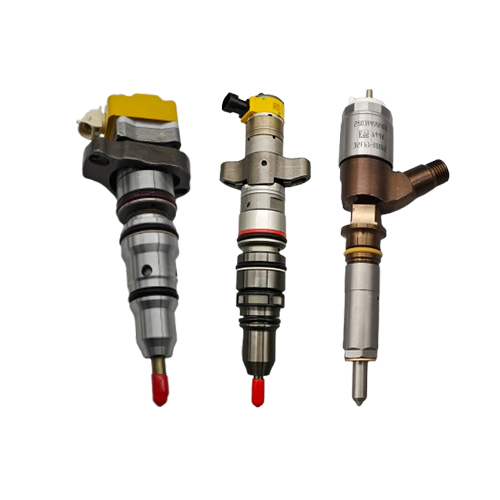
Beyond the HEUI system, Cat injectors share design philosophies for extreme service:
- Robust Housing: Built to withstand high cylinder pressures and thermal cycling without distortion.
- Advanced Nozzle Design: Hardened materials to resist erosion from fuel and potential contaminants. Nozzle coking disrupts the precision spray pattern, directly causing the performance and efficiency losses common in hard-working equipment.
- Precision Electrical Components: Solenoids and wiring designed for high-vibration environments. A failing solenoid will trigger specific fault codes and is a key diagnostic data point.
Common Caterpillar Fuel Injector Failure Modes & Diagnostic Clues
Recognizing these symptoms specific to Cat systems can save hours of diagnostic time:
- HEUI System Failures (Low Oil Pressure/Quality):
- Symptom: Hard starting, low power, rough running, and often multiple injector-related fault codes. May be accompanied by codes for the high-pressure oil pump or rail.
- Diagnosis: Check engine oil level, quality, and pressure FIRST. Perform an oil analysis to check for fuel dilution or excessive soot. Always rule out oil-related issues before condemning the injectors themselves. This is a cornerstone of the systematic approach in our comprehensive diagnostic guide.
- Injector Solenoid/Coil Failure:
- Symptom: Consistent misfire on one cylinder, with an active fault code for that injector’s circuit.
- Diagnosis: Resistance check of the injector solenoid. An open or shorted coil confirms failure. This is a definitive reason for replacement, as per our decision guide on when to replace.
- Internal Injector Leakage (Fuel into Oil or Oil into Fuel):
- Symptom (Fuel in Oil): Rising engine oil level, diluted oil, and potentially a gasoline smell from the oil. Can lead to catastrophic engine bearing failure.
- Symptom (Oil in Fuel): Visible oil contamination in the fuel filter/water separator bowl. Can damage fuel system components.
- Diagnosis: Oil analysis and visual fuel inspection. A leak-down test can identify the leaking injector.
- Nozzle Coking and Wear:
- Symptom: Gradual power loss, increased fuel consumption, and excessive exhaust smoke, especially under load.
- Cause: Operation with poor-quality fuel, extended idling, or faulty combustion. The deposits destroy the precision atomization pattern. Professional ultrasonic cleaning and testing can be a cost-effective remedy if internal wear is minimal, as explored in our cleaning guide.
The Cat-Specific Maintenance Protocol: Protecting Your Investment
Caterpillar equipment demands a disciplined maintenance regimen.
- Oil is the Lifeblood (Especially for HEUI): Use only the specified grade and category of engine oil. Change oil and filters at the prescribed intervals, using severe service schedules if applicable. Oil analysis is a highly recommended predictive tool.
- Fuel Filtration is Non-Negotiable: Caterpillar’s fuel system cleanliness standards are exacting. Use only Cat-branded or certified high-efficiency fuel filters/water separators. Change them on time and drain water daily.
- Operate to Warm Up: Avoid shutting down a turbocharged, high-output Cat engine immediately after heavy load. Allow a cool-down period at low idle to manage temperatures and prevent coking.
- Monitor ECM Data: Use Cat ET or other diagnostic tools to monitor injector trim codes, cylinder cutout tests, and fuel system parameters. Trends can reveal developing issues.
The Replacement Decision: OEM, Quality Aftermarket, or Rebuild?
- Genuine Cat® Remanufactured: Often the best balance of cost, warranty, and guaranteed performance. Cat’s reman process returns injectors to original specification, which is crucial for HEUI system balance.
- Premium OEM-Specification Aftermarket: A viable alternative from trusted manufacturers, provided they meet all flow and pressure specifications. The risks of sub-par parts are magnified in heavy equipment, a point detailed in our OEM vs. aftermarket comparison.
- Professional Rebuilding: Specialized shops can rebuild Cat injectors to a high standard. Always demand a full test report.
- Coding/Calibration: Modern electronic Cat injectors require programming of their new trim code into the ECM. This step is as critical as the physical installation.
Conclusion: Engineering for the Edge
Caterpillar fuel injectors are engineered not just to deliver fuel, but to do so reliably at the edge of operational envelopes where other systems might fail. Understanding the unique HEUI technology, respecting the critical role of engine oil, and adhering to a militant maintenance schedule are the keys to unlocking their full potential lifespan. In the world of heavy equipment, knowledge and prevention are the most valuable tools in your toolbox, directly protecting your asset’s productivity and resale value.
Equip Your Cat with the Integrity it was Built With.
When your diagnostics point to a needed replacement, trust in components engineered for the task. JSPartsonline supplies durable, specification-matched fuel injectors and maintenance kits for a wide range of Caterpillar engines, helping you keep your machine on the job.
Demand Cat-grade reliability. Find the right fuel injection components for your Caterpillar equipmentor consult with our heavy-equipment specialistsfor application-specific support.