
Detroit Diesel Fuel Injectors: DD15, DD13 & Series 60 Technology Deep Dive
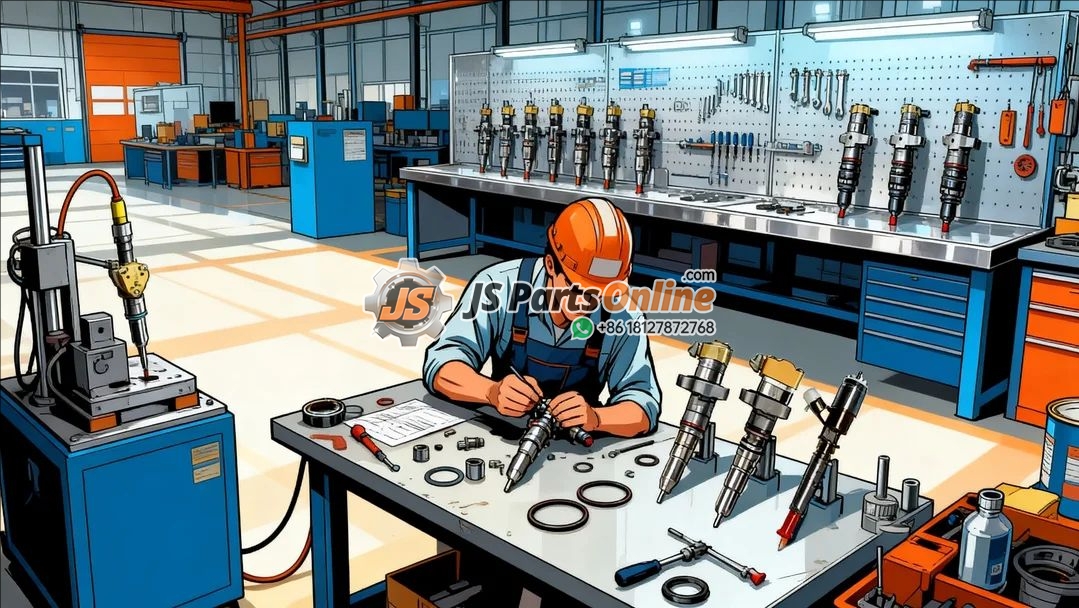
In the world of North American line-haul trucking, few names command as much respect as Detroit Diesel. Known for a legacy of power and efficiency, engines like the legendary Series 60 and the modern DD15 and DD13 rely on precision, high-pressure fuel systems to deliver millions of reliable miles. The Detroit Diesel fuel injector is a critical component in this equation, evolving significantly from unit pump systems to advanced common-rail technology. For fleet managers and owner-operators, understanding these systems’ unique designs, failure signatures, and maintenance needs is crucial for maximizing uptime and fuel economy. This guide provides a technical deep dive into Detroit Diesel injection systems, offering actionable insights for diagnosing issues, performing preventative care, and making informed repair decisions to keep your Detroit-powered rigs on the road.
A Legacy of Power: The Evolution of Detroit Diesel Injection
Detroit Diesel’s injection technology has progressed to meet demands for power, efficiency, and increasingly stringent emissions standards.
- Series 60 and the Unit Injector Era: The iconic Series 60 engine utilized a mechanically actuated, electronically controlled unit injector (MUI) system in its early generations, later evolving to an electronically controlled unit injector (EUI). These are “unit pumps” where the high-pressure pumping element and the injector nozzle are combined in one unit, driven by the engine’s camshaft. They are known for their robustness but require precise adjustment and are sensitive to fuel quality. Understanding the correct installation and adjustment procedures for these systems is critical to prevent damage.
- The DD Platform and Common-Rail Revolution: The DD15, DD13, and DD16 engines represent a technological leap, adopting a high-pressure common-rail (HPCR) system. This system separates the high-pressure generation (a single pump) from injection, allowing for greater control. Detroit’s system enables incredibly high injection pressures and sophisticated multiple injection events, which are essential for meeting EPA emissions standards while maintaining performance and fuel economy—a balance discussed in our guide on emissions and injector health.
Anatomy of a Modern Detroit (DD Platform) Common-Rail Injector
The injectors in DD engines are precision components designed for longevity under extreme pressure.
- High-Pressure Tolerance: Built to withstand the sustained high pressures of the common-rail system, which are crucial for fine atomization. The quality of internal materials directly impacts this durability, a topic explored in our materials science analysis.
- Flow Rate Calibration (Coding Required): Each injector has a specific flow characteristic defined by a calibration code. Programming this code into the Detroit Diesel Electronic Control (DDEC) module is not optional. It ensures the ECM can deliver the exact fuel quantity commanded, preventing rough running, power loss, and excessive smoke. This electronic integration is a cornerstone of modern diagnostics, as highlighted in our coding and calibration guide.
- Robust Solenoid Design: The electrically actuated solenoid must open and close with millisecond precision billions of times. Failure here is a common and definitive fault.
Common Detroit Diesel Injector Failure Modes & Diagnosis
Identifying these patterns can lead to faster, more accurate repairs:
- Injector Solenoid/Coil Failure:
- Symptom: A persistent misfire on one cylinder, accompanied by a dedicated fault code (e.g., “Injector #3 Current Low”). The engine will have a noticeable shake.
- Diagnosis: A multimeter resistance check of the injector solenoid will confirm an open or short circuit. This is a clear-cut reason for replacement, aligning with the criteria in our guide on when to replace injectors.
- Internal Leakage (Leak-Down) – Common in High-Mileage Units:
- Symptom: Extended cranking time, especially when the engine is hot. May lead to fuel dilution of the engine oil (rising oil level).
- Diagnosis: A fuel system leak-down test is the definitive diagnostic tool to identify the specific leaking injector. Addressing this early prevents further engine wear.
- Nozzle Coking (Carbon Deposits):
- Symptom: Gradual loss of power and fuel economy, potentially with a slight increase in exhaust smoke under load. This is a primary contributor to the measurable performance loss from worn injectors.
- Cause: Often linked to excessive idling, poor-quality fuel, or a fault causing incomplete combustion. Deposits disrupt the spray pattern, harming efficiency. Professional ultrasonic cleaning can be a viable restoration if mechanical wear is minimal.
- Fuel Contamination Catastrophe (The #1 Preventable Failure):
- Symptom: Sudden, severe power loss or no-start condition, potentially with multiple injector and high-pressure pump fault codes.
- Cause: Water or microscopic abrasive particles in the fuel. This is the most destructive and costly failure mode, often requiring replacement of the entire fuel injection set. It underscores the life-saving importance of the maintenance practices in our preventive maintenance guide.
The Detroit Diesel Maintenance Mandate for Maximum Uptime
A disciplined approach is non-negotiable for achieving the million-mile potential of these engines.
- Fuel Filtration is Sacred: Use only premium, efficient fuel filters/water separators that meet Detroit Diesel specifications. Change them at or before the recommended interval. In a fleet setting, this is the most important bullet point for protecting your asset.
- Fuel Quality Matters: Source fuel from high-volume, reputable stations. Consider the use of trusted fuel additives that enhance lubricity and combat water, especially in regions with fuel quality variability.
- Operate Strategically: While idling is sometimes necessary, minimize unnecessary idle time. Plan operations to allow the engine to reach and maintain full operating temperature, which helps burn off combustion deposits.
- Leverage Data Monitoring: Use Detroit Connect™ or similar telematics to monitor fuel economy trends and watch for cylinder balance/demerit data. A gradual decline in MPG or an increase in a specific cylinder’s demerits is an early warning sign of an injector issue.
- Oil Analysis Program: Implement regular used oil analysis. It can provide an early warning for fuel dilution (from a leaking injector) long before it becomes severe enough to cause noticeable symptoms or damage.
Repair Strategy: Choosing the Right Path Forward
- Genuine Detroit Diesel Remanufactured: Offers a strong balance of reliability, warranty, and guaranteed compatibility. These units are calibrated to meet original specifications.
- High-Quality OEM-Specification Aftermarket: A valid and cost-effective option from reputable manufacturers. Ensure the supplier can provide the correct calibration code for programming. The value proposition of this route is discussed in our OEM vs. aftermarket comparison.
- Matched Set Replacement for High-Mileage Engines: On a DD engine with 750,000+ miles, if one injector fails, the others have similar service history. Replacing the entire set with matched injectors is often the most cost-effective long-term strategy to prevent subsequent failures and restore balanced performance—a principle critical for commercial vehicle uptime.
The Final, Critical Step – Coding: After installing any new or replacement injector in a DD engine, programming the new injector’s calibration code into the DDEC module is an absolute requirement. This completes the repair.
Conclusion: Engineering Meets Discipline
Detroit Diesel engines are designed for the long haul, and their fuel injectors are engineered to match that ambition. Their reliable performance, however, is a partnership between intelligent design and meticulous stewardship. By understanding the technology, adhering to a militant maintenance schedule focused on pristine fuel, and executing repairs with quality parts and proper coding, you directly protect your investment’s productivity and profitability. In the competitive world of trucking, this knowledge and discipline translate directly to your bottom line.
Power Your Detroit with Precision-Engineered Components.
When your diagnostics point to a needed injector replacement, trust in parts that are built to the standard your Detroit Diesel engine deserves. JSPartsonline supplies durable, specification-matched fuel injectors and maintenance kits for Detroit Diesel Series 60 and DD platform engines.
Keep your Detroit running strong. Find the right fuel injection components for your Detroit Diesel engineor consult with our heavy-duty specialistsfor expert application support.
Related products


Related Posts
-
1

-
2

-
3

-
4



JSPartsonline:
Focus on injectors for 12 years,We sell high-quality fuel injectors at competitive prices.
Copyright 2025 © YUN·X . All right reserved.
