
Volvo Fuel Injectors: Engineering for Efficiency & Reliability in Demanding Applications
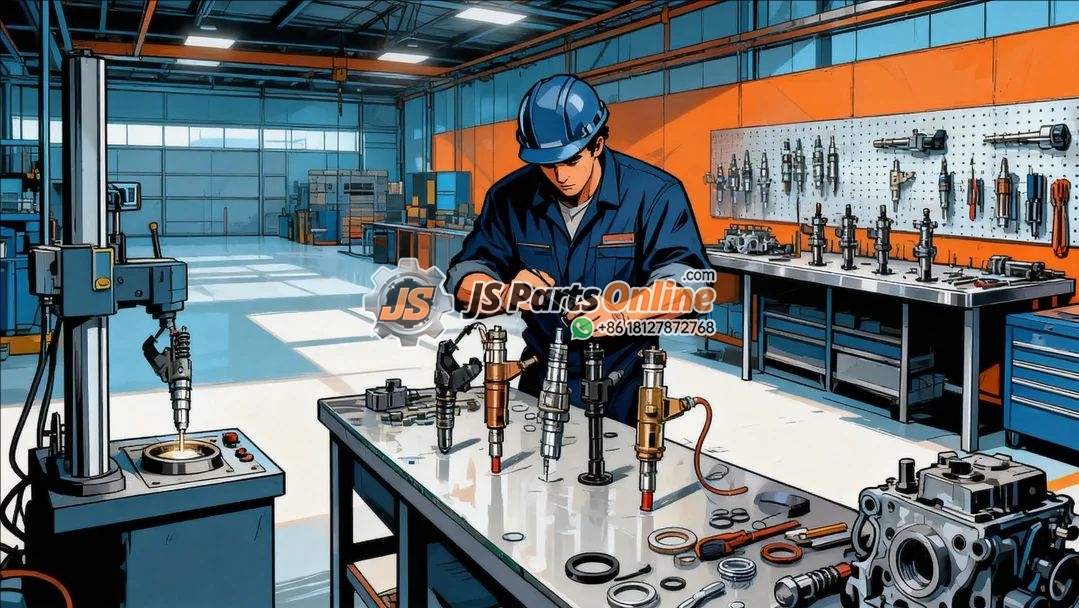
Synonymous with safety, durability, and efficiency, Volvo’s reputation extends from the highway to the high seas. Whether in a long-haul truck, a city bus, or a Volvo Penta marine engine, consistent and clean combustion is paramount. This performance is anchored by the Volvo fuel injection system, a precision assembly where engineering precision meets rigorous testing. For fleet managers, vessel operators, and technicians, understanding the specific design, failure patterns, and maintenance needs of Volvo injectors is key to achieving the low total cost of ownership and high uptime these products are known for. This guide explores the technology inside Volvo fuel injectors, identifies common challenges across different applications, and outlines the proactive care that ensures they deliver Volvo’s signature blend of power and efficiency.
The Volvo Philosophy: Integration and System Optimization
Volvo doesn’t just select injectors; they are integral components within a holistically engineered power system. The injector’s performance is optimized in tandem with the combustion chamber design, turbocharging, and after-treatment systems to meet strict targets for power, fuel economy, and emissions.
- Advanced Common-Rail Technology: Modern Volvo engines (D11, D13, D16 truck series; marine engines) employ high-pressure common-rail systems. These systems provide the flexibility for multiple injection events (pilot, main, post) which are crucial for reducing noise, improving cold starts, and enabling efficient exhaust gas recirculation (EGR) and selective catalytic reduction (SCR) operation.
- Precision-Controlled Injection Events: The precise timing and fuel quantity managed by the injectors are critical for the performance of Volvo’s advanced after-treatment systems. A faulty injector can quickly lead to DPF clogging or SCR system faults, a critical link explained in our guide on injectors and emissions control.
Anatomy of a Volvo Common-Rail Injector: Key Design Features
Volvo injectors, often sourced from top-tier manufacturers like Bosch or Delphi and built to Volvo’s specifications, incorporate features for heavy-duty use:
- Robust Solenoid Actuation: Designed for millions of reliable cycles under high electrical load, controlling injection events with millisecond precision. Failure here typically results in a cylinder-specific fault code and is a clear diagnostic endpoint, as noted in our guide on replacement signs.
- Flow Code Calibration (Imperative for Coding): Each injector has a unique alphanumeric flow code (trim code). This code must be programmed into the Volvo engine’s ECU (e.g., using Volvo’s VCADs or third-party tools) when a new injector is installed. This ensures the ECU can compensate for minute manufacturing variances, guaranteeing smooth operation. Skipping this step will cause imbalance, excessive smoke, and reduced performance.
- Durability-Focused Materials: Nozzle tips and internal components use hardened materials to resist erosion from high-pressure fuel and potential contaminants, a subject covered in depth in our look at injector materials science.
Common Failure Modes in Volvo Applications
Recognizing these symptoms can lead to faster, more accurate repairs:
- Nozzle Coking (Carbon Buildup):
- Symptom: Gradual loss of power and torque, increased fuel consumption, and possibly a slight increase in exhaust smoke. A common issue in engines subjected to prolonged idling or frequent short trips.
- Effect: Deposits disrupt the precision spray pattern, leading to inefficient combustion. This is a primary cause of the quantifiable performance loss detailed in our article on worn injector impact.
- Internal Leakage (Leak-Down):
- Symptom: Hard starting, particularly when the engine is hot. May be accompanied by a rise in engine oil level due to fuel dilution.
- Diagnosis: A fuel system leak-down test is the definitive method to confirm and identify the leaking injector. Catching this early prevents washed cylinder walls and severe oil contamination.
- Solenoid/Electrical Failure:
- Symptom: Persistent misfire on one cylinder, with an active fault code (e.g., “Injector Cylinder X Control Circuit”). The engine will run roughly.
- Diagnosis: Checking the injector solenoid resistance with a multimeter will confirm an open or short circuit.
- Fuel Contamination Damage:
- Symptom: Sudden, severe performance loss or failure, potentially affecting multiple injectors and the high-pressure pump simultaneously.
- Cause: Water or abrasive particles in the fuel. This is the most destructive failure mode and underscores why Volvo’s stringent fuel filtration requirements are not optional. It validates the core principle of our preventive maintenance guide.
Volvo-Specific Maintenance & Operational Best Practices
Adherence to these practices is non-negotiable for achieving Volvo’s engineered lifespan.
- Religious Fuel Filtration: Use only Volvo-approved or premium equivalent fuel filters/water separators. Change them at the specified intervals, and in marine or dusty environments, consider shorter intervals. Drain water from the separator daily in humid climates or on vessels.
- Use High-Quality, Stable Fuel: Source fuel from reputable suppliers. For marine applications, be especially vigilant about fuel age and water content. Consider fuel stabilizers and biocides for seasonal storage.
- Operate to Promote Cleanliness: Avoid constant low-load operation where possible. Periodically, operate the engine at higher loads (e.g., on a highway for trucks, under proper load for gensets) to bring the system to full operating temperature and help burn off deposits.
- Monitor Engine Data with Telematics: Utilize Volvo’s connected services or other telematics to track trends in fuel economy and cylinder balance. Early deviations from baseline are the first sign of injector degradation.
- Regular Oil Analysis (ESPECIALLY for Marine): Routine oil analysis can detect early signs of fuel dilution (from leaking injectors) or excessive soot loading, allowing for intervention before major damage occurs.
The Replacement Conundrum: Genuine, Quality Alternative, or Rebuild?
- Genuine Volvo: Offers guaranteed compatibility and performance, backed by Volvo’s warranty. Often includes the necessary seals and may come with the flow code pre-marked.
- Premium OEM-Specification: A cost-effective alternative from trusted manufacturers that meet or exceed original specifications. Ensure the supplier can provide the correct flow code for programming. The value proposition is discussed in our OEM vs. aftermarket analysis.
- Professional Remanufacturing: A viable option for high-cost injectors, provided the rebuilder specializes in common-rail systems and provides a full test report. Always verify they can supply the correct new flow code.
Critical Final Step – Coding: After physical installation of any new or replacement injector, coding the new flow trim code into the ECU is mandatory. This electronic handshake completes the repair.
Conclusion: Precision as the Path to Proven Value
Volvo fuel injectors are engineered components in a broader system designed for efficiency, durability, and low environmental impact. Their reliable operation is not accidental; it is the result of precision design, supported by disciplined maintenance and correct repair procedures. By understanding the technology, respecting the critical importance of fuel and oil quality, and using quality parts installed and coded correctly, you protect the investment in your Volvo asset and ensure it delivers the dependable performance that defines the brand.
Partner with Precision for Your Volvo Power System.
When maintenance or diagnostics indicate the need for replacement, choose components that match Volvo’s engineering standards. JSPartsonline supplies specification-matched fuel injectors and filtration products for a wide range of Volvo truck and industrial engines.
Demand Volvo-level reliability. Find the correct fuel injection components for your Volvo applicationor consult with our Volvo specialistsfor technical support and parts identification.
Related products



Related Posts
-
1

-
2

-
3

-
4



JSPartsonline:
Focus on injectors for 12 years,We sell high-quality fuel injectors at competitive prices.
Copyright 2025 © YUN·X . All right reserved.
