
The Ultimate Fuel Injector Preventive Maintenance Guide: A Systematic Plan to Avoid Failure
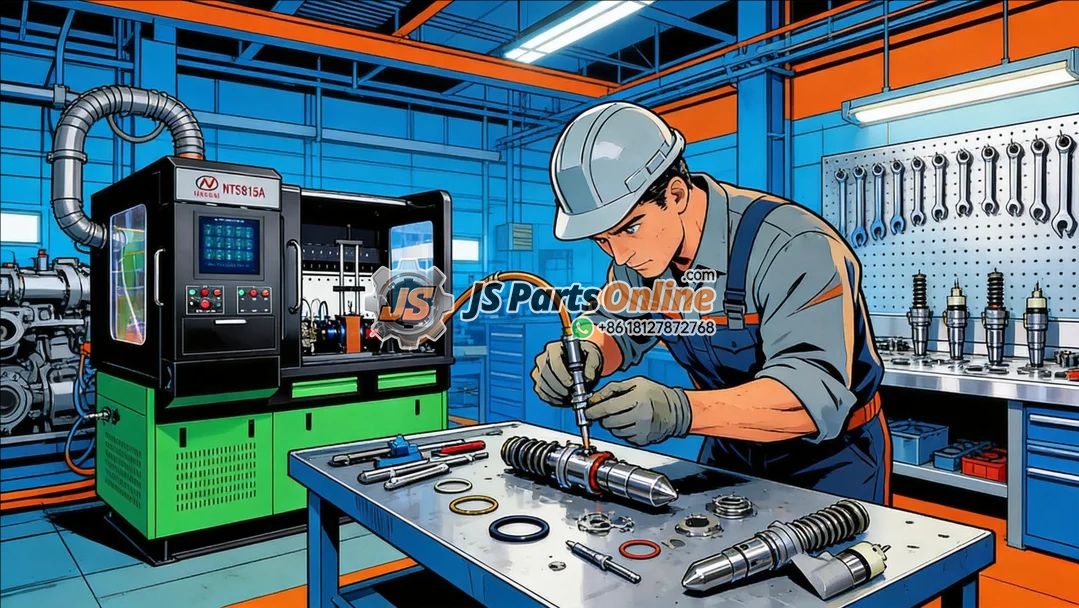
Fuel injectors are engineered for longevity, but their lifespan is directly dictated by the environment you create for them. Reactive maintenance—waiting for a rough idle, loss of power, or a check engine light—is the most expensive approach, often leading to costly repairs and downtime. The most effective strategy is a disciplined, systematic preventive maintenance (PM) program that protects these pecision components from the contaminants and conditions that cause wear. This guide is your comprehensive playbook. We move beyond generic advice to provide a structured, multi-layered PM framework. You’ll get actionable checklists, clear service intervals, and a deep understanding of how fuel quality, air intake, engine oil, and operating habits interconnect to determine injector health. Implement this plan to transform your fuel injection system from a recurring cost center into a model of reliability and efficiency.
The Preventive Maintenance Philosophy: It’s a System, Not Just a Part
View your fuel injectors not as isolated components, but as the precision endpoint of several interrelated systems: fuel delivery, air intake, lubrication, and electronic control. PM success requires defending all avenues of attack.
The Core Principle: Prevent Contamination and Manage Heat. Abrasive particles, water, carbon, and excessive thermal cycling are the primary killers. Your PM plan must address each.
The Five Pillars of Fuel Injector Preventive Maintenance
Pillar 1: Impeccable Fuel Management
This is the first and most critical line of defense, as the fuel is the injector’s lifeblood.
- Daily/Pre-Operation:
- Drain Water Separators: On diesel equipment, this is non-negotiable. Drain the water from the primary filter/separator bowl. Water causes corrosion and microbial growth.
- Visual Fuel Check: When refueling, look for cloudiness, particulates, or unusual color in the fuel. Source fuel from high-volume, reputable suppliers.
- Scheduled Service (Per OEM “Severe Service” Interval or Hours/Mileage):
- Replace Fuel Filters: Use only high-efficiency, OEM-specified or premium aftermarket filters. Consider a two-stage system (primary/water separator + secondary final filter). Changing filters is cheaper than replacing injectors. The importance of this is detailed in our fuel system decontamination guide.
- Fuel Additive Use: For diesel, consider a consistent, moderate dosing of a trusted fuel additive that improves lubricity, combats water, and enhances cetane. For gasoline, use Top Tier fuel or occasional detergent additives. This supports the principles in our fuel quality guide.
- Annual/Seasonal:
- Bulk Fuel Tank Management: For fleets or stored equipment, polish fuel, treat with biocides for storage, and keep tanks full to minimize condensation.
Pillar 2: Pristine Air and Oil Systems
Contaminants from intake air or degraded oil indirectly attack injectors.
- Air Intake:
- Inspect Air Filter & Housing: A clogged air filter reduces efficiency and can allow dirt to pass if damaged. Ensure the housing is sealed properly. Change per severe service schedule, especially in dusty environments.
- Engine Oil:
- Strict Oil & Filter Change Intervals: Engine oil cools and lubricates injectors in many designs (especially HEUI systems). Soot-laden or fuel-diluted oil increases wear. Change oil and filter at or before the OEM interval.
- Used Oil Analysis (UOA): For high-value equipment, implement regular UOA. It can provide early warning of fuel dilution (a sign of a leaking injector) or excessive soot, allowing intervention before damage occurs.
Pillar 3: Smart Operational Habits
How you use the equipment significantly impacts injector life.
- Minimize Idling: Extended idling leads to low-temperature operation, promoting carbon buildup (coking) on injector nozzles. Implement auto-shutdown policies.
- Allow for Proper Warm-Up and Cool-Down: After a cold start, avoid high load for the first few minutes. Before shutting down a turbocharged engine after hard work, let it idle for 2-3 minutes to manage heat soak.
- Avoid “Lugging”: Operating at high load and very low RPM creates extreme cylinder pressure and heat, stressing the entire combustion system, including injectors.
- Operate at Full Operating Temperature: Ensure the cooling system (thermostat) is working so the engine reaches and maintains its designed temperature, ensuring complete combustion.
Pillar 4: Proactive Monitoring & Professional Intervention
Use data and expert services to stay ahead of problems.
- Monitoring:
- Watch for Trends: Use telematics or driver reports to monitor fuel economy. A gradual decline is the earliest sign of injector performance degradation, as explained in our worn injector analysis.
- Listen and Feel: Use a mechanic’s stethoscope periodically to listen for inconsistent injector sounds. Note any new vibrations or rough idle, as outlined in our diagnostic by sound guide.
- Professional Services (Scheduled, Based on Hours):
- Injector Cleaning & Testing: The most powerful PM action. Every 80,000 – 150,000 miles (or equivalent hours), have injectors professionally ultrasonically cleaned and flow-tested. This removes deposits, verifies performance, and identifies any weak units beforethey fail. This is the cornerstone of a program for heavy equipment life extension.
- Fuel System Diagnostics: During major service, have a technician perform a cylinder contribution/balance test to check for injector performance variation.
Pillar 5: Documentation and Training
- Maintain Complete Records: Log all fuel filter changes, oil changes, fuel treatments, and any injector service. This history is invaluable for diagnosing trends and proving maintenance for warranty/resale.
- Train Operators and Technicians: Ensure everyone understands the impact of idling, the importance of reporting performance changes, and basic walk-around checks.
The Preventive Maintenance Schedule: Your Action Plan
| Task | Frequency | Action | Why It Matters |
|---|---|---|---|
| Drain Water Separator | Daily (Diesel) | Drain until clean fuel appears. | Removes water, prevents corrosion & microbial growth. |
| Visual Fuel/Air Inspection | At Refueling | Check fuel clarity; inspect air filter housing. | Catches gross contamination early. |
| Oil & Filter Change | Per OEM Severe Service | Use specified oil & premium filter. | Removes abrasives & fuel, keeps injector-cooling oil clean. |
| Air Filter Change | Per OEM Severe Service | Inspect housing seal during change. | Ensures clean air for combustion, protects turbocharger. |
| Fuel Filter Change | Per OEM Severe Service | Use 2-4 micron final filter. | The most critical PM task. Final defense for injectors. |
| Monitor Fuel Economy | Weekly/Monthly | Track L/100km or MPG trends. | Early detection of injector or system efficiency loss. |
| Operational Review | Ongoing | Enforce no-idle, proper warm-up/cool-down. | Prevents carbon coking and thermal stress. |
| Used Oil Analysis | Every 2-3 Oil Changes | Send sample to lab. | Detects hidden fuel dilution & wear metals. |
| Professional Injector Cleaning & Testing | 80,000 – 150,000 mi / 8,000-12,000 hrs | Remove, clean, test, reinstall. | Performance restoration & health diagnostic. Prevents failures. |
| Full Fuel System Diagnostic | Biannually or as needed | Scan for codes, cylinder balance test. | Verifies overall system health and balance. |
The ROI of Prevention: A Simple Calculation
Compare the cost of this PM program to the cost of a single failure:
- PM Cost Example (Annual): Fuel filters (200)+Additives(100) + Oil changes (300)+∗Portionofscheduledcleaning(300) = ~$900.
- Failure Cost Example: One failed injector + labor (800)+Tow(300) + Downtime (Lost revenue: 1,500)+Riskofdamagingothercomponents=∗∗>2,600**.
Conclusion: The annual PM investment is a fraction of the cost of a single unplanned failure, not to mention the avoided cumulative performance loss from dirty injectors.
Conclusion: Discipline is the Best Insurance
The longevity and performance of your fuel injectors are not a matter of chance; they are a direct result of the system you build around them. By implementing this structured, five-pillar preventive maintenance plan, you shift from a costly cycle of breakdown and repair to a predictable, optimized cycle of performance and reliability. This discipline protects your capital investment, lowers your total operating costs, and ensures your equipment is ready to perform when you need it most. In the world of precision engine components, an ounce of prevention is truly worth a pound of cure—and in this case, it’s worth thousands of dollars in savings and peace of mind.
Equip Your Maintenance Program with the Right Tools and Parts.
A great plan requires great components. JSPartsonline supplies the high-efficiency filters, quality additives, OEM-specification seal kits, and professional cleaning services that form the backbone of an effective fuel injector preventive maintenance program.
Stop reacting. Start preventing. Explore our full range of fuel system maintenance products and servicesor contact our maintenance specialiststo help you build a custom PM schedule for your fleet or equipment.
Related products


Related Posts
-
1

-
2

-
3

-
4

-
5

-
6


JSPartsonline:
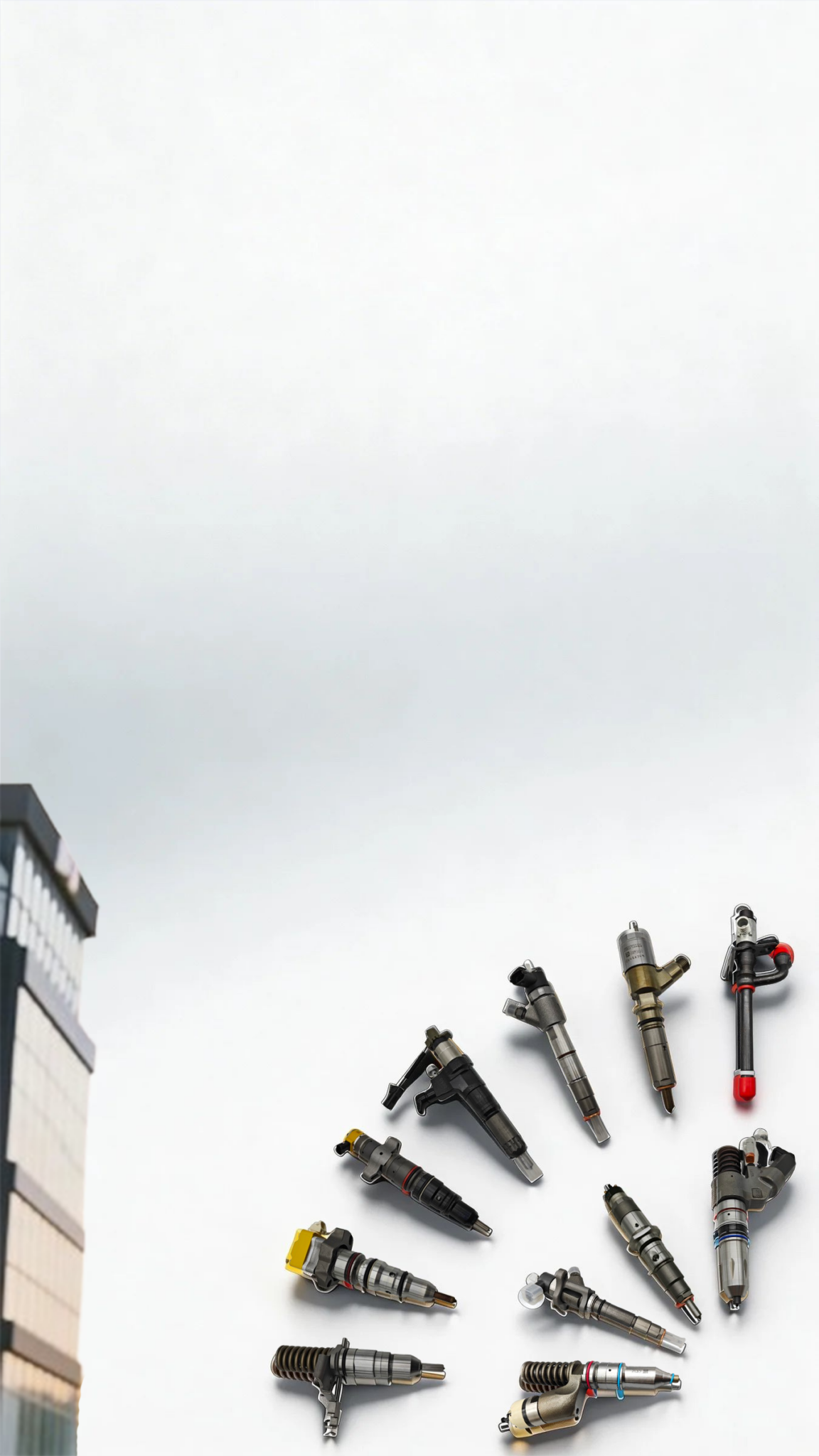
Focus on injectors for 12 years,We sell high-quality fuel injectors at competitive prices.
Copyright 2025 © YUN·X . All right reserved.
