
Natural Gas (CNG/LNG) Fuel Injectors: Technology for a Lower-Carbon Alternative
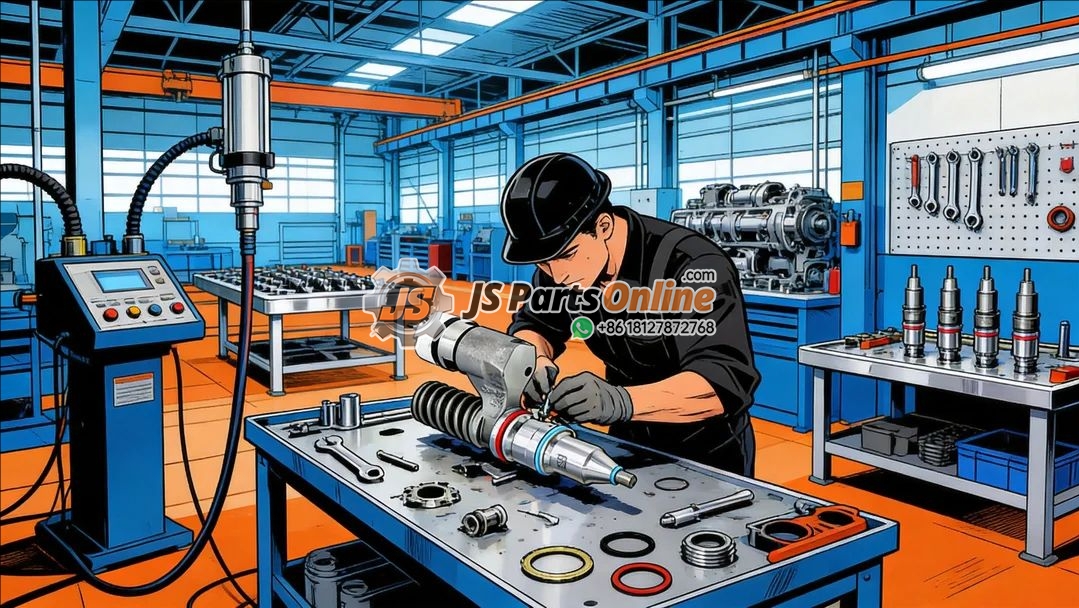
As the transportation and industrial sectors seek practical pathways to reduce carbon intensity, natural gas—both Compressed (CNG) and Liquefied (LNG)—has emerged as a viable bridge fuel. Powering spark-ignited engines with methane demands a fundamentally different approach to fuel delivery than liquid gasoline or diesel. At the heart of this gaseous injection system is a specialized component: the natural gas fuel injector. Designed to meter a compressible gas with precision rather than atomizing a liquid, these injectors confront unique challenges in sealing, flow control, and durability. This guide delves into the engineering of CNG and LNG injectors. We’ll explain how they operate within a high-pressure gas rail system, the critical importance of material compatibility, the distinct failure modes in gaseous service, and the maintenance practices essential for reliable, low-emission operation in fleet trucks, buses, and stationary power applications.
The Gaseous Fuel Paradigm: From Liquid Atomization to Gas Metering
The primary difference is foundational: natural gas injectors deliver a compressible fluid in gaseous or two-phase state, not an incompressible liquid.
- CNG (Compressed Natural Gas): Stored at high pressure (typically 200-250 bar / 3,600-3,600 psi) as a gas. Injectors must control the flow of this high-pressure gas into the intake manifold or cylinder.
- LNG (Liquefied Natural Gas): Stored as a cryogenic liquid at ~ -162°C (-260°F) and low pressure. It is vaporized to a gas before reaching the injector, but the system must handle potential cold spots and the unique properties of methane.
- The Core Task: Unlike diesel injectors that create a spray pattern for diffusion combustion, gas injectors aim for rapid, complete mixing of the gaseous fuel with intake air for homogeneous spark ignition. Precision in mass flow and injection timing is paramount.
System Architecture: The High-Pressure Gas Path
A natural gas fuel system is a world apart from a liquid system.
- High-Pressure Storage & Regulation: Fuel is stored in composite tanks at very high pressure (CNG) or as a cryogenic liquid (LNG). A pressure regulator reduces the supply pressure to a stable, lower rail pressure (e.g., 8-20 bar) suitable for the injectors.
- The Fuel Rail: A manifold that distributes gas to all injectors. Maintaining consistent pressure and temperature in the rail is critical for injector flow consistency, a challenge akin to but different from liquid system balance discussed in our flow matching guide.
- The Injector’s Role: The electronically controlled gas injector acts as a high-speed,precision solenoid valve. When energized, it opens a passage, allowing pressurized gas to flow into the intake port or directly into the cylinder (in direct injection systems).
Anatomy of a Natural Gas Injector: Key Design Features
Built for gas service, these injectors have distinct characteristics:
- Large Flow Passages: To achieve the required mass flow of a low-density gas, the internal orifices and valve seats are significantly larger than those in equivalent gasoline port injectors. This necessitates a robust solenoid capable of moving a larger sealing pintle or plate.
- Gas-Tight Sealing: Containing high-pressure methane is critical for safety and performance. Seals must be impermeable to small hydrogen molecules (present in some natural gas blends) and compatible with any trace lubricants or contaminants in the gas stream. High-grade fluorocarbon or perfluoroelastomer seals are standard.
- Duty Cycle & Heat Management: Gas injectors, especially in port-injected turbocharged applications, can have high duty cycles. The solenoid and body are designed to dissipate heat effectively. Some designs incorporate fuel flow for cooling.
- Fast Response & Precision: To enable accurate air-fuel ratio control and multiple injections per cycle (for mixture preparation), the injector must open and close rapidly with minimal hysteresis. This demands high-quality magnetic circuits and precision machining, similar to the demands on advanced liquid injectors.
Material and Compatibility Challenges
Natural gas is not chemically inert to all materials, and its composition can vary.
- Hydrogen Embrittlement Risk: “Sweet” natural gas is mostly methane, but “sour” gas can contain hydrogen sulfide (H₂S). H₂S, in the presence of water, can promote sulfide stress cracking in certain high-strength steels. Material selection avoids susceptible alloys.
- Lubricity & Contaminants: Pipeline natural gas contains traces of heavier hydrocarbons and may carry compressor lubricants. Injector materials and seals must be compatible with these substances to prevent swelling, degradation, or deposit formation that could affect the precision sealing and flow characteristics.
- Cryogenic Considerations (LNG): Components exposed to vaporized but still very cold LNG must withstand thermal shock and retain mechanical properties. This is a niche but critical area of design.
Common Failure Modes in Natural Gas Service
Diagnosing issues requires understanding these gas-specific problems:
- External Gas Leaks:
- Symptom: Smell of gas (odorant is added), potential fault codes for fuel system pressure loss or lean conditions.
- Causes: Failed body seals, cracked injector housing (rare), or damaged O-rings at the manifold interface. This is a safety-critical failure requiring immediate attention.
- Internal Sticking or Poor Flow (Contamination/Degradation):
- Symptom: Engine misfire, rough idle, loss of power, increased emissions. Similar to symptoms of a faulty liquid injector, but with different root causes.
- Causes: Internal contamination from pipeline debris or compressor oil carbonizing on the hot injector seat. Seal degradation leading to inconsistent pintle movement. Wear of the precision seat over millions of cycles, causing flow deviation.
- Electrical Coil Failure:
- Symptom: Persistent misfire on one cylinder with an injector circuit code. Diagnosed via resistance check.
- Cause: Standard solenoid failure, exacerbated by high under-hood temperatures common in heavy-duty natural gas vehicles.
- Thermal Fatigue:
- Symptom: Cracking or failure at stress points, often leading to external leaks.
- Cause: Repeated thermal cycling from engine heat and the cooling effect of expanding gas (Joule-Thomson effect) passing through the injector.
Maintenance & Best Practices for NGV Injectors
Longevity depends on proper system care:
- Fuel Quality is Paramount: Ensure gas supply meets SAE J1616 or other relevant standards for moisture, particulate, and lubricant content. Install and maintain high-efficiency gas line filters upstream of the injectors. This is as critical as filtration in a diesel fuel system.
- Regular Visual & Olfactory Inspections: Check for any signs of gas leakage at injector bases and connections during routine service. Use a gas detector for confirmation.
- Follow Manufacturer Service Intervals: Natural gas injectors may have different service life expectations than gasoline injectors. Adhere to OEM recommendations for inspection or replacement.
- Professional Cleaning & Flow Testing: Like liquid injectors, gas injectors can be removed, cleaned of internal deposits, and flow-tested on specialized benches calibrated for gas. This can restore performance and identify failing units. The concept is similar to the ultrasonic cleaning process for liquid injectors, but with different equipment and media.
- Use Correct Replacement Parts: Natural gas injectors are application-specific. Never substitute a gasoline injector. Ensure replacements are designed for the correct pressure range, flow rate, and gas composition.
The Future: Direct Gas Injection & Higher Efficiency
The technology is evolving towards greater efficiency:
- Direct Natural Gas Injection: Injecting gas directly into the cylinder at high pressure, similar to GDI. This allows for higher compression ratios, better charge cooling, and prevents fuel displacement in the intake—boosting power density and efficiency. The injectors for this application are even more demanding, requiring sealing against combustion pressure.
- Dual-Fuel Applications: In large bore engines, a pilot injection of diesel ignites a main charge of natural gas. The gas injectors in these systems have unique timing and flow requirements.
Conclusion: Precision for a Gaseous Fuel Future
Natural gas fuel injectors are precision mechatronic components that enable the practical use of a cleaner-burning alternative fuel. Their design, focused on managing a compressible fluid with safety, speed, and accuracy, represents a specialized branch of fuel system engineering. For fleets and operations adopting natural gas, understanding the unique requirements, failure modes, and maintenance needs of these injectors is key to achieving the promised benefits of lower emissions, reduced fuel costs, and reliable operation. As gas engine technology advances towards direct injection and hybridization, the role of the gas injector as a critical enabler of efficiency will only grow.
Power Your Alternative Fuel Transition with Precision Components.
Whether you’re maintaining a fleet of CNG trucks or exploring gas engine technology, having the right components and expertise is critical. JSPartsonline provides insights and access to fuel system technologies for a diversified energy future, from today’s diesel to alternative fuels like natural gas.
Explore the possibilities of gaseous fuels. Contact our alternative fuels specialistsfor application advice, or browse our range of precision fuel system componentsthat set the standard for performance across fuel types.
Related products


Related Posts
-
1

-
2

-
3

-
4

-
5

-
6



JSPartsonline:
Focus on injectors for 12 years,We sell high-quality fuel injectors at competitive prices.
Copyright 2025 © YUN·X . All right reserved.
