
Don’t Ignore the Seals: Your Fuel Injector’s Critical First Line of Defense
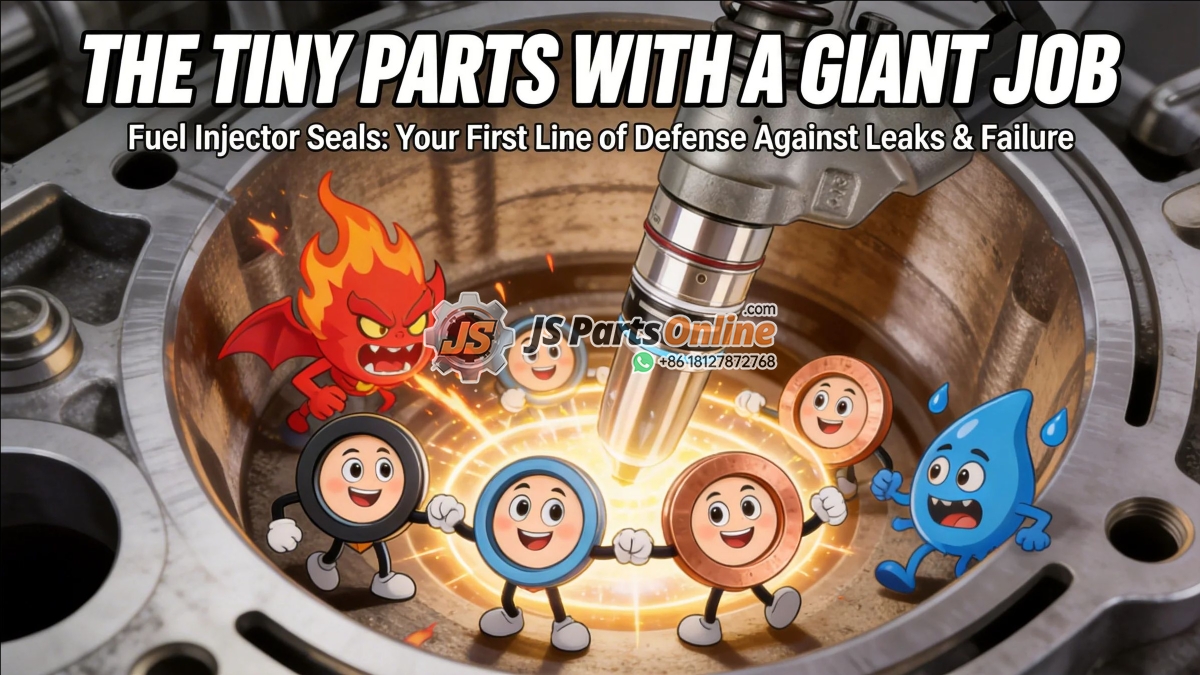
You’ve invested in a high-quality, precision fuel injector. But that investment can be compromised in an instant by components costing just a few dollars: the seals and O-rings. These humble circles of rubber and metal are the unsung heroes—and potential failure points—of your entire fuel injection system. They create the vital barriers that contain extreme pressures, prevent dangerous leaks, and ensure fuel is delivered only where and when it’s supposed to be. This guide is dedicated entirely to these critical components. We’ll explain the different types of fuel injector seals, their life-or-death function, how to install them flawlessly, and how to spot the early warning signs of their failure. Protecting your injector starts with protecting its seals.
More Than Just Gaskets: Understanding the Seal Ecosystem
A typical fuel injector uses a system of seals, each with a specific mission. Ignoring or reusing any of them is an invitation for trouble.
- Upper O-Rings (Fuel Rail Side):
- Location: Sit in a groove on the top of the injector, sealing it against the fuel rail.
- Material: Usually made from fluorocarbon (Viton®) or similar high-grade synthetic rubber.
- Function: Seals the high-pressure fuel (up to 3,000+ PSI in GDI systems) inside the rail and directs it into the injector. A failure here causes a major external fuel leak, a severe fire hazard, and immediate loss of fuel pressure.
- Lower O-Rings or T-Seals (Intake/Head Side):
- Location: Sit at the base of the injector, sealing it against the intake manifold (port injection) or cylinder head (direct injection).
- Material: Similar high-temperature fluorocarbon.
- Function: Prevents unmetered air from being sucked into the engine (a vacuum leak), which causes a lean condition, rough idle, and poor performance. In direct injection, it also seals the injector pocket in the head.
- Copper Washers or Gaskets:
- Location: Under the injector tip, between the injector and the cylinder head (common in many diesel and some direct injection designs).
- Material: Soft, annealed copper.
- Function: Creates a gas-tight seal against the immense heat and pressure of the combustion chamber. It prevents combustion gases from escaping and protects the injector from overheating. These are single-use crush washers and must always be replaced.
- Insulator/Spacer Sleeves (if applicable):
- Location: Surround the injector body in its socket.
- Material: Plastic or composite.
- Function: Dampens vibration, insulates the injector from engine heat, and ensures correct positioning.
Why “Reusing the Old Ones” is the #1 Installation Mistake
It’s tempting. The old seals lookfine. But reusing them is the most common cause of post-installation leaks and comebacks. Here’s why:
- Heat Set & Compression Set: Over thousands of heat cycles, O-rings permanently deform and lose their elasticity. They will not spring back to create a new seal.
- Microscopic Cracks & Dry Rot: Fuel and heat cause tiny cracks invisible to the naked eye. They will leak under pressure.
- Contamination: Old seals have embedded microscopic grit that can score the sealing surfaces of the new injector or fuel rail.
- Crushed Copper Washers: A used copper washer has already been crushed to its yield point. It cannot form a new seal and will almost certainly leak combustion gases.
The Golden Rule: ALWAYS use the brand-new seals provided in the kit with your injector. If they’re not included, purchase a quality fuel injector seal kit separately. This is non-negotiable for a professional repair, as stressed in our fuel injector installation guide.
The Art of the Perfect Seal Installation
Proper installation is 90% of the battle. A flawless seal can be damaged in seconds with rough handling.
- Cleanliness is Paramount: Before installation, ensure the seal grooves on the injector and the mating surfaces on the fuel rail and cylinder head are spotless. Use a lint-free cloth and brake cleaner. Any debris will cause a leak.
- Lubrication is Mandatory: Lightly coat the new O-rings with clean engine oil or the specific seal lubricant provided. This allows the injector to slide into place without rolling, twisting, or cutting the O-ring. Never install seals dry.
- Hand Placement Only: Carefully place the O-rings into their grooves by hand. Do not use sharp tools that can nick them.
- Straight, Gentle Insertion: When installing the injector, push it straight in. Do not twist or rock it, as this can shear the O-ring.
- Torque to Spec: If hold-down bolts or a fuel rail secure the injector, torque them to the manufacturer’s specification in the correct pattern. Overtightening can distort the injector body or crush seals.
Symptoms of Failing Fuel Injector Seals
Don’t wait for a puddle of fuel. Recognize these early signs:
- Fuel Smell (Especially at Hot Idle): The most common sign of a leaking upper O-ring. Vaporized fuel escapes and is very noticeable.
- Visible Wetness: Check the base of the injectors and the fuel rail connections for damp, dark stains or raw fuel.
- Rough Idle or Hesitation: A leaking lower O-ring creates a vacuum leak, allowing unmetered air into the engine and disrupting the air-fuel mixture.
- Hard Starting When Hot: A leaking upper O-ring can allow fuel to drain into the intake or cylinder when the engine is off, causing a “flooded” condition.
- Oil Dilution or Coolant Issues: In severe cases, a failed combustion seal (copper washer) can allow gases or fluids to cross contaminate. This is serious and requires immediate attention, as it could be a symptom of broader issues outlined in our diagnostic guide.
Choosing the Right Seal Kit: Don’t Compromise Here
Not all seal kits are created equal. When purchasing, either with an injector or separately, ensure they are:
- Material-Correct: High-temperature fluorocarbon (FKM/Viton) for O-rings is the industry standard for fuel injection.
- Chemically Compatible: Designed to withstand modern fuel formulations and additives.
- Complete: Includes all necessary O-rings, washers, and spacers for your specific injector model.
- From a Reputable Source: Cheap, generic seals can swell, degrade quickly, or be the wrong size. Trust brands that supply OEM-level components.
At JSPartsonline, we understand that the seal is part of the injector system. That’s why our injectors come with complete, high-quality seal kits, and we also offer them separately for repairs. For popular brands like Bosch, you can find the exact seal kit you need to ensure a perfect seal.
Conclusion: The Seal is the Deal
A fuel injector is a system: the precision body, the nozzle, the solenoid, and the seals that hold it all together. Neglecting the seals undermines the entire component. A few dollars spent on the right seals, installed correctly, is the cheapest insurance policy you can buy for your fuel system. It guarantees that your injector’s performance is contained, directed, and efficient—exactly as engineered.
Secure Your Investment with OEM-Quality Seals.
Don’t let a tiny O-ring be the reason for a major repair. Whether you’re installing a new injector or troubleshooting a leak, JSPartsonline has the exact, high-quality seal kits to ensure a lasting, leak-free repair.
Browse our selection of fuel injector seal kits and installation components, or contact our support team to identify the correct seals for your application. Protect your performance from the seal up.
Posts Widget
-
1

-
2
-
3

-
4


JSPartsonline:
Focus on injectors for 12 years,We sell high-quality fuel injectors at competitive prices.
Copyright 2025 © YUN·X . All right reserved.
