
Fuel Injector Coding & Calibration: Why It’s Critical for Modern Engines
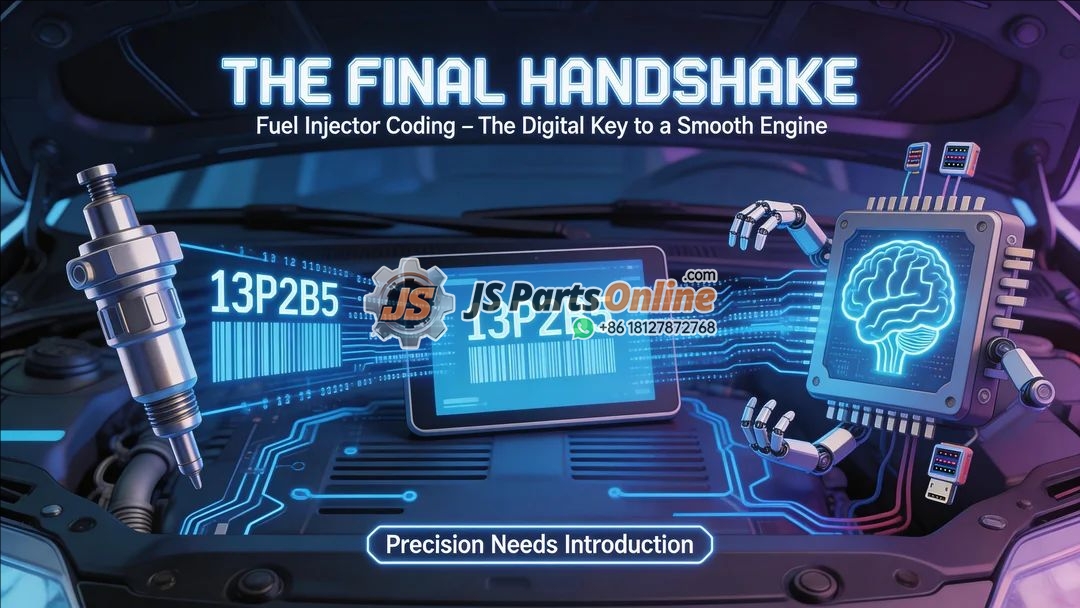
You’ve followed every step: diagnosed the faulty injector, purchased a perfect match, and installed it with new seals. But upon starting, the engine runs worse than before—misfiring, idling roughly, or even triggering a check engine light. The culprit likely isn’t the part; it’s the missing electronic handshake. For modern engines, especially diesel, direct injection, and many European models, simply swapping a fuel injector is not enough. You must also introduce it to the car’s computer through a process called coding or calibration. This guide explains this critical, often-overlooked final step. We’ll define the terms, list which vehicles require it, detail the tools and process, and explain the consequences of skipping it, ensuring your professional repair is truly complete.
Coding vs. Calibration: Understanding the Terms
While often used interchangeably, they refer to related but distinct electronic adaptations:
- Coding (or Programming): This is the process of entering a unique alphanumeric code found on the new injector into the vehicle’s Engine Control Unit (ECU). This code contains specific manufacturing calibration data for that individual injector, such as its precise flow characteristics. The ECU uses this data to fine-tune the fuel delivery for that specific cylinder.
- Calibration (or Adaptation): This is a broader process where the ECU learns and adjusts to the new injector’s performance. After coding, the ECU may run a specific adaptation routine, sometimes requiring a test drive, to optimize idle stability and fuel trims. In some systems without physical codes, the ECU performs this adaptation automatically over several drive cycles.
The Bottom Line: Whether it’s called coding or adaptation, the goal is the same—to allow the ECU to compensate for minute manufacturing variances between injectors, ensuring all cylinders receive perfectly balanced fuel delivery.
Why Can’t the ECU Just Figure It Out? The Need for Precision
Older engines with port fuel injection are more forgiving. Modern high-pressure systems (GDI, Common-Rail Diesel) are not. Here’s why:
- Extreme Pressure & Precision: These systems operate at 2,000 – 30,000+ PSI. At this level, even a 1-2% variance in injector flow can cause a significant power imbalance between cylinders, leading to rough running and excessive emissions.
- Multiple Injection Events: Modern injectors can fire 5-7 times per combustion cycle for noise and efficiency. Timing and quantity for each micro-injection must be perfect, requiring exact injector data.
- Emissions Compliance: To meet stringent emissions standards, the air-fuel mixture must be controlled with extreme accuracy. Unbalanced fueling quickly leads to failed emissions tests.
Skipping coding is like giving a master pianist a keyboard with one slightly out-of-tune key. The entire performance suffers.
Which Vehicles Require Injector Coding?
As a general rule, if your vehicle uses a high-pressure fuel system, assume coding is required until proven otherwise.
- Most Modern Diesel Engines (2004-Present): Virtually all common-rail diesel systems from Bosch, Delphi, Denso, etc., require coding. This includes vehicles from BMW, Mercedes-Benz, VW/Audi, Ford, PSA, and most light/heavy-duty trucks.
- Gasoline Direct Injection (GDI) Engines: Many require coding, especially European brands (BMW, VAG, Mercedes). Some Asian and American brands may use automatic adaptation.
- Specific Port Injection Engines: Some higher-end or performance-oriented port injection systems also use coding for optimal balance.
How to Check: The definitive source is the vehicle’s service manual or repair database. The need for coding is also a key factor in our fuel injector replacement cost breakdown, as it adds to the professional service labor.
The Coding Process: Tools & Step-by-Step
This is a job for specialized diagnostic tools. A basic OBD2 scanner will not suffice.
Required Tools:
- Professional Diagnostic Scanner/Software: Such as Autel, Snap-on, Bosch, or OEM-specific tools (e.g., BMW ISTA, Mercedes XENTRY). These must have bi-directional control and specific programming functions for the vehicle make and model.
- Stable Power Source: A battery maintainer/charger MUST be connected to the vehicle during coding to prevent any voltage drop that could corrupt the ECU.
Typical Coding Procedure:
- Retrieve Old Codes: Before replacing the injector, use the scanner to read and record the existing coding values for all injectors. This provides a reference.
- Perform Physical Replacement: Install the new injector, ensuring correct seating and new seals, as per our installation guide.
- Find the New Code: Locate the unique alphanumeric code on the new injector. It is often laser-etched on the side or top.
- Access ECU Coding Function: Connect the scanner, navigate to the “Engine ECU” or “Diesel Injection” module, and select the “Code Injector” or “Teach-In” function.
- Enter the Code: Select the specific cylinder (e.g., Cylinder 1) and enter the new code when prompted by the scanner.
- Clear Fault Codes & Perform Adaptations: After coding, clear all stored fault codes from the ECU. The scanner may then guide you through a series of adaptations, which may involve idling the engine at certain RPMs for a set time.
- Verify & Test Drive: Start the engine and verify a smooth idle. A test drive may be necessary for the ECU to complete full adaptation.
What Happens If You Don’t Code the Injector?
Installing an uncoded injector in a system that requires it will lead to immediate and noticeable problems:
- Rough Idle and Misfires: The ECU is delivering fuel based on the old injector’s data, which doesn’t match the new injector’s flow. The affected cylinder will run too rich or too lean.
- Illuminated Check Engine Light: Codes for “Cylinder Contribution,” “Injector Control,” or “Fuel Trim” faults will appear immediately.
- Reduced Performance and Fuel Economy: The engine will run in a degraded state, often defaulting to a limp mode or pulling timing to protect itself.
- Failed Emission Test: The unbalanced combustion will increase hydrocarbon (HC) and nitrogen oxide (NOx) emissions.
“Plug & Play” or “Pre-Coded” Injectors: Do They Exist?
Some aftermarket suppliers offer “plug-and-play” injectors, claiming no coding is needed. This typically works in one of two ways:
- Matched Sets with “Zero” Codes: The set is manufactured to have such identical flow characteristics that they can use a generic or zero code. This is rare and should be verified with the supplier.
- Automatic Adaptation Systems: Some ECUs (more common on some Asian and American GDI systems) can automatically adapt to a new injector’s flow over several drive cycles without a manual code entry. The vehicle’s service information will specify this.
Our Advice: Never assume an injector is plug-and-play. Always verify the coding requirement for your specific vehicle. If you’re unsure, choosing an OEM-specification injector that provides the correct, scannable code is the safest path. For reliable options, browse our selection of Bosch fuel injectors, which include the necessary coding information.
Conclusion: The Final, Digital Step in a Physical Repair
In today’s automotive world, replacing a fuel injector is a two-part job: the physical installation and the electronic introduction. Ignoring the coding step leaves the repair incomplete and can negate the value of your new, high-quality part. By understanding this requirement, using the right tools, and following the correct procedure, you ensure the engine recognizes and optimizes performance for its new component, delivering the smooth, efficient, and powerful operation you expect.
Need a Code-Ready, High-Precision Injector?
When you replace an injector, you need a part that not only fits perfectly but also integrates electronically. JSPartsonline supplies injectors that meet OEM specifications, including the necessary data for a seamless coding process.
Don’t let an electronic handshake ruin a perfect mechanical repair. Find the exact, code-compatible fuel injector for your vehicle, or contact our technical expertsfor guidance on coding requirements and procedures for your specific model.
Posts Widget
-
1

-
2

-
3

-
4



JSPartsonline:
Focus on injectors for 12 years,We sell high-quality fuel injectors at competitive prices.
Copyright 2025 © YUN·X . All right reserved.
