
The Fuel You Use Matters: How Fuel Quality Directly Impacts Injector Performance & Lifespan
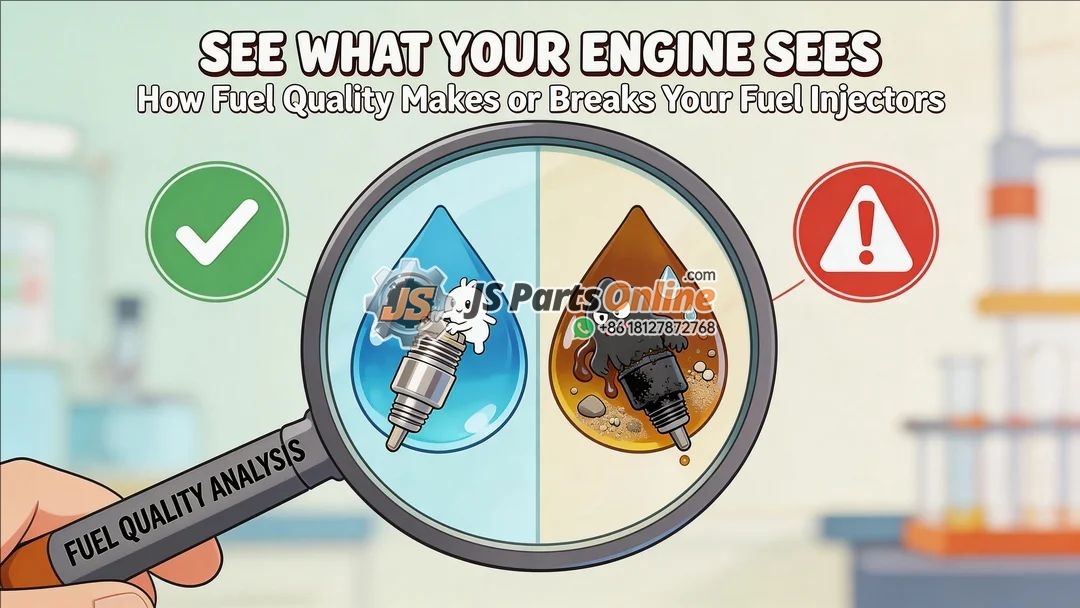
You meticulously research the best oil, you change filters on schedule, but do you give the same consideration to the lifeblood of your engine—the fuel? The gasoline or diesel you pump into your tank is not a simple, uniform commodity. Its quality, composition, and cleanliness have a direct, profound, and lasting impact on the most precision components in your engine: the fuel injectors. Using poor-quality fuel isn’t just about losing a mile per gallon; it’s about slowly degrading performance, increasing wear, and shortening the life of expensive components. This guide explains the science behind fuel quality, breaking down how detergents, octane/cetane ratings, and invisible contaminants directly influence your injectors’ spray pattern, flow, and reliability, empowering you to make fuel choices that protect your investment.
Fuel is a Complex Chemical Cocktail, Not Just “Gas”
Modern fuel is a carefully engineered blend of hydrocarbons, additives, and oxygenates. The specific recipe varies by station, brand, and region. The elements that matter most to your fuel injectors are:
- Base Hydrocarbons: The primary energy source. Lower-quality refining can leave behind unstable compounds that form gums and varnishes.
- Detergent Additives: The most critical factor for injector health. These are chemicals designed to keep fuel system components clean.
- Octane (Gasoline) / Cetane (Diesel) Rating: A measure of the fuel’s resistance to premature ignition (knock) or its ignition delay. Using the wrong rating can cause harmful combustion events that increase carbon deposits.
- Contaminants: The enemies. This includes water, particulate matter (dirt, rust), and microbial growth.
The #1 Injector Killer: Contamination (Water & Dirt)
Microscopic abrasive particles and water in fuel are responsible for the majority of wear-related injector failures.
- Particulate Contamination (Dirt, Rust): Imagine liquid sandpaper flowing at high pressure through the injector’s precision nozzle holes and tight-tolerance plunger and barrel assemblies. This abrasive action causes gradual wear, enlarging orifices, increasing internal leakage, and degrading the spray pattern. A single tank of contaminated fuel can cause irreversible damage. This is why the fuel filter is your injector’s primary bodyguard, a point we cannot overemphasize in our maintenance guide.
- Water Contamination: Water in the fuel system is disastrous. It causes:
- Corrosion & Pitting: Water rusts steel components (tanks, lines) and can corrode the precision nozzle tips of injectors, especially in diesel systems.
- Lubricity Loss: In diesel fuel, water strips away the lubricating properties, causing increased wear in the high-pressure pump and injectors.
- Microbial Growth: Water at the bottom of a fuel tank is a breeding ground for bacteria and fungi, whose biomass (known as “diesel algae”) can clog filters and injectors completely.
The Role of Detergents: Keeping the Nozzles Clean
As fuel evaporates in the fuel rail or on a hot injector tip, it can leave behind sticky residues called varnish and carbon deposits. Detergent additives are designed to prevent this.
- How They Work: Detergents are surfactants. They surround and dissolve carbon molecules, holding them in suspension in the fuel so they can be burned off during normal combustion, rather than adhering to injector nozzles and intake valves.
- “Top Tier” Gasoline Standard: This is a voluntary, higher standard for detergent additives. Licensed brands must use a specific, higher concentration of effective detergents proven to keep intake valves and fuel injectors clean. Using Top Tier fuel is one of the simplest, most effective forms of preventive maintenance for both port and direct injection engines.
- Diesel Detergents: High-quality diesel also contains detergents and dispersants to keep injector nozzles clean and prevent the formation of deposits that disrupt the spray pattern, which is critical for clean combustion and low emissions.
Octane & Cetane: The Combustion Connection
Using fuel with the wrong anti-knock rating doesn’t just hurt performance—it hurts your injectors indirectly.
- Gasoline (Octane Too Low): If you use 87 octane in an engine that requires 91, it can cause knock or pre-ignition. These are violent, uncontrolled combustion events that create extreme cylinder pressures and temperatures. This leads to a massive increase in combustion chamber deposits, which can break off and foul injector tips, and the extreme heat can damage injectors themselves.
- Diesel (Cetane Too Low): Low cetane diesel has a longer ignition delay. This causes a rough, noisy combustion with higher levels of soot (carbon). This excess soot is a primary contributor to nozzle coking—the buildup of carbon on the injector tip that destroys the spray pattern. For diesel injector health, a higher cetane number (typically 50+) is always better.
Real-World Symptoms of Poor Fuel Quality
The effects of bad fuel are often gradual but unmistakable:
- Rough Idle & Misfires: Clogged or partially blocked injector nozzles from deposits deliver an uneven, poor-quality spray pattern, leading to incomplete combustion in that cylinder.
- Loss of Power & Hesitation: Worn or coked injectors cannot deliver the correct amount of fuel or atomize it properly, starving the engine of power, especially under acceleration.
- Increased Fuel Consumption: Poor atomization from dirty injectors means inefficient combustion. You burn more fuel to produce less power.
- Hard Starting: Severely clogged or leaking injectors (potentially from wear accelerated by contamination) disrupt the starting fuel calibration.
- Exhaust Smoke: Excessive black smoke (diesel) can indicate poor combustion from bad injector spray patterns, often caused by deposits or wear.
If you’re experiencing these symptoms, our fuel injector diagnostic guide can help you confirm the cause.
Best Practices: Choosing Fuel to Protect Your Injectors
- Buy from High-Volume Stations: Fuel turnover is high, meaning the fuel is fresher and has less chance for water condensation and contamination in the underground tanks.
- Use Top Tier Fuel for Gasoline: The added cost is negligible compared to the cost of cleaning or replacing fouled injectors and intake valves.
- Choose Premium Diesel from Reputable Brands: For diesel engines, the quality difference between a discount station and a major brand can be significant in terms of cetane rating, lubricity, and detergent levels.
- Use a Quality Fuel Additive Periodically: Even with good fuel, a concentrated dose of a reputable fuel system cleaner every 5,000-10,000 miles provides an extra cleaning boost. For diesel, consider additives that improve lubricity and combat water.
- Never Let Fuel Sit for Extended Periods: Fuel degrades over time, forming gums. For seasonal equipment, use a fuel stabilizer and consider running the tank dry.
- CHANGE YOUR FUEL FILTER: This bears repeating. It is the single most important thing you can do to protect your injectors from the damage caused by the contaminants that doexist in all fuel. A clogged filter is a primary cause of the injector failures described in our guide on when to replace injectors.
What to Do If You Suspect Bad Fuel Damage
- Stop Driving: If the vehicle is running severely poorly immediately after refueling, you may have acute contamination.
- Drain the Tank: In cases of severe water or particulate contamination, the tank may need to be drained and cleaned.
- Replace the Fuel Filter(s): This is mandatory.
- Professional Diagnosis & Cleaning: Have a mechanic diagnose the fuel pressure and perform a fuel injection cleaning service. For injectors already suffering from deposits, ultrasonic cleaning may be required to restore them, as detailed in our ultrasonic cleaning guide.
- Injector Replacement: If testing reveals wear or damage from abrasives or corrosion, replacement with high-quality parts is the only solution. For reliable performance, explore our range of OEM-specification fuel injectors.
Conclusion: Your Fuel Choice is a Maintenance Decision
Viewing fuel as merely an energy source is a costly oversight. It is the working fluid of your fuel system, and its quality dictates the operating environment for your engine’s most precision components. By choosing high-quality fuel from reputable sources, you are not buying “premium” in name only; you are investing in the detergents that keep injectors clean, the stability that prevents deposits, and the purity that prevents abrasive wear. This simple, habitual choice is the foundation of long injector life, sustained performance, and lower total operating costs.
Protect Your Injectors with Quality from the Start.
The best defense against fuel-related injector problems is a combination of good fuel habits and quality components. JSPartsonline provides the fuel injectors, filters, and cleaning products engineered to deliver reliable performance, even when fuel quality is less than perfect.
Make informed choices at the pump and under the hood. Find the right injectors and protection for your vehicleor contact our expertsfor advice on mitigating fuel-related issues and restoring performance.
Posts Widget
-
1

-
2
-
3

-
4



JSPartsonline:
Focus on injectors for 12 years,We sell high-quality fuel injectors at competitive prices.
Copyright 2025 © YUN·X . All right reserved.
