
Top 5 Signs You Need a Diesel Injector Replacement (Don’t Ignore #3)
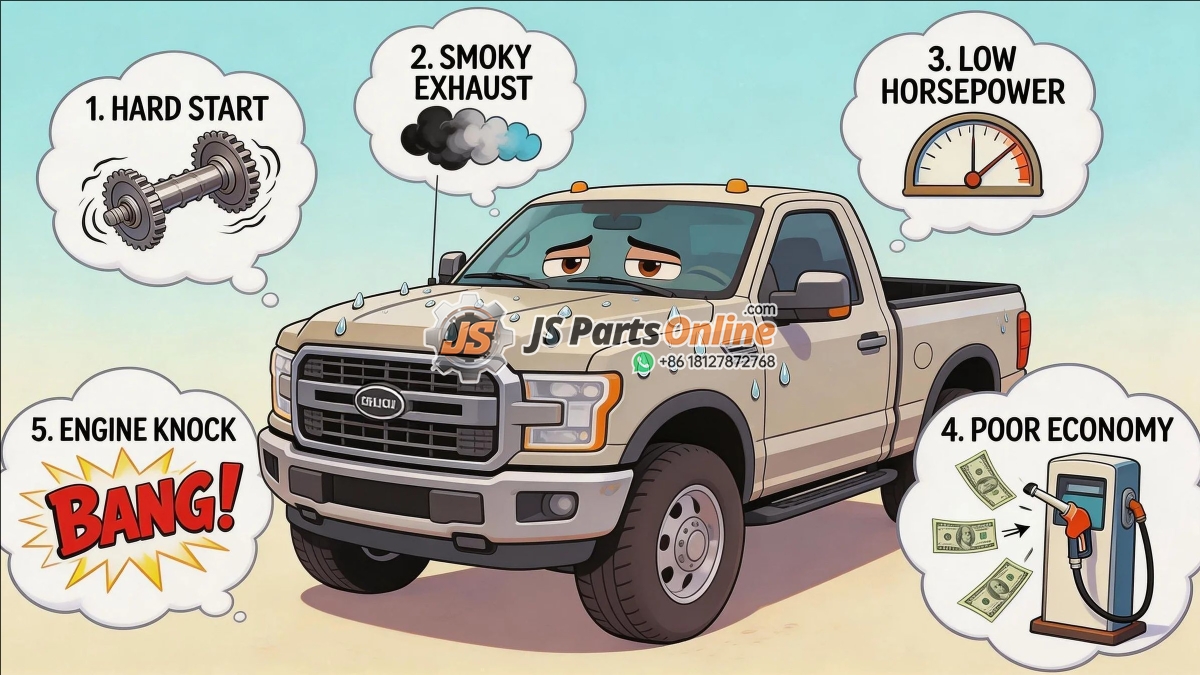
Diesel engines are built for power and durability, but even the toughest workhorse can be brought to its knees by a failing fuel injector. Unlike gradual wear, a bad diesel injector can quickly lead to poor performance, costly secondary damage, and frustrating downtime. Recognizing the early warning signs is the key to preventing a minor issue from becoming a major repair bill. In this guide, we’ll break down the top 5 undeniable symptoms of bad diesel injectors, explain what each one means for your engine, and outline the critical steps you should take—from professional diagnosis to choosing the right replacement injector for a lasting fix.
1. Hard Starting (Especially When the Engine is Hot)
This is one of the most classic and telling signs. While a hard cold start can point to glow plug or battery issues, a prolonged cranking time when the engine is hot is a major red flag for injector problems.
- What’s Happening: A failing injector can have an internal leak. When the engine is shut off hot, residual fuel pressure can cause a small amount of diesel to leak past the nozzle and drip directly into the combustion chamber. This “floods” the cylinder, making ignition difficult when you next try to start it. You may crank for 5-10 seconds before it finally fires, often with a puff of white smoke.
- Why It’s Serious: Constant hard starting strains the starter motor and batteries. More importantly, raw fuel washing down the cylinder walls dilutes engine oil, reducing lubrication and accelerating engine wear.
2. Excessive Exhaust Smoke (Black, White, or Blue)
The color of your exhaust smoke is a direct diagnostic window into combustion health. Faulty injectors disrupt the precise air-fuel mixture, leading to distinct smoke signals.
- Black Smoke: Typically indicates incomplete combustion due to too much fuel or not enough air. A clogged or dripping injector can deliver a poor, over-rich spray pattern that doesn’t burn completely, creating unburned carbon particles (soot).
- White Smoke (When Hot): Often signifies unburned fuel passing through the exhaust. This can be caused by an injector that fails to atomize fuel properly (bad spray pattern) or one that is stuck open, injecting fuel at the wrong time. It may have a distinct diesel odor.
- Blue/Gray Smoke: Suggests engine oil is being burned. While often a piston ring or turbocharger seal issue, a severely leaking injector washing down cylinder walls can also contribute to oil consumption and blue smoke.
3. Loss of Power and Rough, Unsteady Idle
Your diesel should idle with a smooth, rhythmic “clatter” and pull strongly under load. A failing injector robs you of this core performance.
- Rough Idle & Misfires: A clogged or stuck injector will not deliver the correct amount of fuel to its cylinder. This causes that cylinder to misfire or fire weakly, creating a noticeable shake, vibration, and uneven engine sound at idle. The roughness may temporarily lessen at higher RPMs.
- Lack of Power & Hesitation: Under acceleration or when towing, all cylinders must contribute equally. A weak or malfunctioning injector means one cylinder isn’t pulling its weight, leading to a significant overall loss of power, sluggish acceleration, and a lack of the expected “low-end torque” diesels are known for.
4. Drastically Reduced Fuel Economy
If you find yourself visiting the fuel pump significantly more often for your normal routine, your injectors should be a prime suspect.
- What’s Happening: For efficient combustion, diesel must be atomized into a fine mist. A dirty or worn injector produces a poor spray pattern—like a stream or large droplets—that doesn’t burn efficiently. Your engine’s computer (ECM) may also try to compensate for a weak cylinder by altering fuel timing, further hurting mileage. You’re literally wasting fuel and not making power with it.
- How to Check: Monitor your miles-per-gallon or liters-per-100km over several tanks. A sudden or steady decline, without changes in driving habits or load, points to a developing efficiency problem like injector wear.
5. Increased Engine Noise (Knocking or Rattling)
Diesel engines are naturally noisy, but new, unusual sounds are a cause for concern. Faulty injectors can create distinct knocking or rapping sounds.
- The “Diesel Knock” Sound: A leaking injector can cause fuel to drip into the cylinder early, igniting at the wrong time and creating a sharp, metallic knocking sound. This improper combustion, known as pre-ignition, increases cylinder pressure dramatically and can cause severe engine damage over time.
- Mechanical Rattle: In some cases, internal damage to the injector’s plunger or valve can create its own mechanical rattling noise, synchronized with engine speed.
What to Do If You Notice These Symptoms: Your Action Plan
Ignoring these signs is not an option. Follow this logical sequence to protect your engine and your wallet.
- Get a Professional Diagnosis: Use a high-level diagnostic scanner to check for cylinder contribution or balance rates. This test identifies which specific cylinder is underperforming. A leak-off test can pinpoint injectors leaking internally.
- Consider Professional Cleaning: If the primary issue is carbon fouling or clogging, a professional ultrasonic cleaning service can restore performance, especially for high-value Bosch or Denso injectors. This is a cost-effective first step for power loss or economy issues.
- Test for Failure: For hard starting, leaks, or mechanical noise, cleaning is unlikely to work. The injector needs to be removed and tested on a pop tester and flow bench. This is the only way to definitively check spray pattern, leakage, and flow volume against specifications.
- Choose the Right Replacement: If testing confirms failure, you have a critical choice. Installing a single, unmatched injector on a high-mileage engine can cause imbalance. For optimal performance and longevity, especially in modern common-rail systems, replacing injectors as a calibrated matched set is highly recommended. This ensures even cylinder pressure and power output.
Conclusion: Timely Action Prevents Catastrophe
A failing diesel injector won’t “heal itself.” The symptoms will worsen, leading to increased repair costs—from damaged pistons and turbos to failed catalytic converters or DPFs. By recognizing the signs of hard starting, excessive smoke, power loss, poor fuel economy, and unusual noise, you can take proactive, informed action.
Facing a Failing Diesel Injector? We Provide the Solution.
When diagnostics confirm that replacement is necessary, trust in quality. JSPartsonline supplies OEM-equivalent and premium diesel fuel injectors engineered for performance and durability. Don’t let a bad injector sideline your vehicle or equipment.
Find the exact, reliable injector for your engine model in our comprehensive catalog, or contact our diesel specialists for expert guidance.
Posts Widget
-
1

-
2
-
3
-
4


JSPartsonline:
Focus on injectors for 12 years,We sell high-quality fuel injectors at competitive prices.
Copyright 2025 © YUN·X . All right reserved.
