
Fuel System Decontamination: The Ultimate Guide to Removing Water, Microbes & Sediment
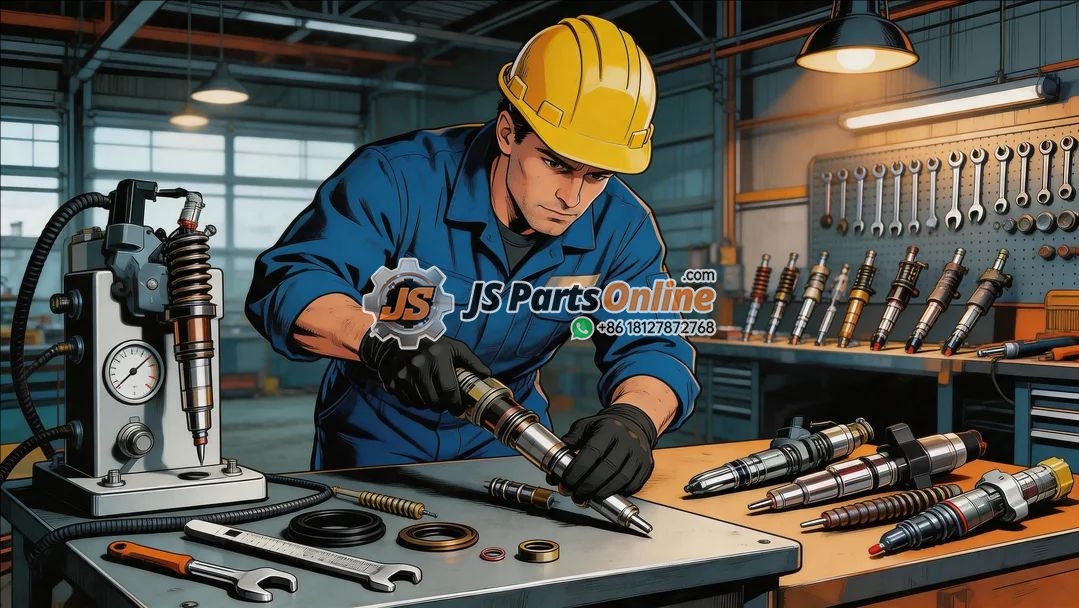
Your fuel injectors and high-pressure pump are precision components, but they are only as healthy as the fuel that flows through them. Over time, even in well-maintained systems, contaminants inevitably accumulate: water from condensation, microbial growth (the dreaded “diesel bug”), inorganic sediments, and the gums and varnishes from aged fuel. These contaminants are a silent epidemic, leading to clogged filters, corroded components, and ultimately, catastrophic and costly failures in the injection system. Reactive replacement is expensive; proactive fuel system decontamination is intelligent asset management. This guide serves as the definitive manual for identifying contamination, selecting the right remediation strategy (chemical, mechanical, or ultrasonic), and executing a complete cleanup to restore system integrity and protect your most valuable engine components from the inside out.
The Enemies Within: Identifying the Contaminants
Effective decontamination starts with knowing your adversary.
- Water: The Universal Solvent & Corroder
- Source: Condensation in partially filled tanks, poor-quality fuel, leaky seals.
- Impact: Causes microbial growth, promotes corrosion of steel tanks and precision injector internals, removes lubricity from diesel fuel (accelerating pump/injector wear), and can freeze in lines. It’s the root cause discussed in our fuel quality guide.
- Microbial Contamination (“Diesel Bug” or “Algae”):
- What it is: Bacteria and fungi that live at the water-fuel interface. They form biofilm colonies that eventually break off as thick, sludgy biomass.
- Impact: Rapidly clogs primary and secondary fuel filters. The biomass is acidic, accelerating tank corrosion. When it reaches the injection system, it can destroy injectors and pumps. A primary concern in marine and agricultural applications.
- Particulate Sediment:
- Source: Rust from tank walls, dirt ingress, debris from fuel delivery, and carbon particles from within the engine’s return system.
- Impact: Abrasive wear on precision injector nozzles and high-pressure pump plungers. The leading cause of the abrasive wear that leads to the performance loss quantified in our worn injector analysis.
- Asphaltenes & Fuel Varnish:
- Source: Oxidation and polymerization of fuel, especially in stored biodiesel or hot-running systems.
- Impact: Forms sticky deposits that can coat injector internals, filters, and tank surfaces, restricting flow and disrupting spray patterns.
Diagnosis: Signs Your System Needs Decontamination
Don’t wait for failure. Look for these warning signs:
- Frequent Fuel Filter Clogging: Needing to change filters far more often than the service interval.
- Visible Contamination: Water, sludge, or unusual cloudiness in the fuel filter/water separator bowl.
- Performance Issues: Gradual loss of power, rough idle, or hesitation that isn’t resolved by standard diagnostics.
- Odor: A foul, sulfurous, or “rotten egg” smell from the fuel tank or filter.
- Fuel Sample Test: The definitive check. Let a fuel sample sit in a clear glass jar. Look for layers: water at the bottom, cloudy emulsion, or suspended particles.
The Decontamination Arsenal: Methods & When to Use Them
A tiered approach is often most effective.
Level 1: Chemical Remediation (For Early-Stage/Maintenance)
- Biocides: EPA-registered chemicals that kill microbial colonies. Crucially, they do not remove the dead biomass, which can still clog filters. Always use a biocide beforea filter change, and expect to change the filter again soon after treatment as dead microbes are released.
- Fuel Additives (Dispersants, Demulsifiers): High-quality additives can help disperse water into tiny droplets to be burned, and keep particulates in suspension to pass through filters. They are a preventive measure, not a cure for severe contamination.
- Best For: Preventing microbial growth during storage, treating minor contamination, and ongoing maintenance in conjunction with good filtration.
Level 2: Mechanical Filtration & Fuel Polishing (The Core Solution)
This is the physical removal of contaminants.
- What is Fuel Polishing? Circulating fuel from the tank, through a high-capacity, multi-stage filtration system (often 30-micron, 10-micron, and 2-micron/water separator stages), and returning clean fuel to the tank.
- Process: A transfer pump pulls fuel from the bottom of the tank (where water and sediment settle), passes it through the polishing unit, and returns it to the top of the tank. This continues in a loop until the entire tank volume has been cycled multiple times and the filters run clean.
- Systems: Can be permanent installed units on vessels or critical equipment, or portable service units used by technicians.
- Best For: Bulk contamination removal. Essential for cleaning a contaminated tank, prepping equipment for storage, or as a permanent installation on vessels and generator sets. It is the most important step you can take to prevent the failures described in our commercial vehicle maintenance guide.
Level 3: Physical Tank Cleaning & System Flushing (For Severe Cases)
When contamination is overwhelming (inches of sludge, severe corrosion).
- Tank Cleaning: Requires physically entering or accessing the tank to remove sludge, rust, and debris. This is a hazardous job for professionals.
- System Flushing: After tank cleaning, the entire fuel system (lines, lift pump, coolers) may need to be flushed with clean diesel to remove residual contaminants before reconnecting to the engine.
Level 4: Component-Specific Cleaning (Injectors & Pumps)
Even after cleaning the tank, injectors may already be compromised.
- Professional Ultrasonic Cleaning: Removed injectors are placed in an ultrasonic bath that uses cavitation to blast away internal carbon and external varnish. This is followed by a complete flow and pattern test to verify function. It is often the most cost-effective step to restore performance before considering replacement.
- High-Pressure Pump Inspection: In cases of severe abrasive contamination, the high-pressure pump may need to be disassembled, cleaned, and inspected for wear by a specialist.
The Step-by-Step Decontamination Protocol
For a moderately contaminated system:
- Diagnose & Sample: Take a fuel sample to assess contamination level.
- Apply Biocide (if microbial): Treat the tank with the correct biocide. Run the engine to circulate it through the system, then let it sit as per product instructions to kill colonies.
- Install a New Primary Filter: Expect it to clog quickly.
- Polish the Fuel: Use a portable or installed polishing system to clean the entire tank volume. Monitor filter condition on the polisher.
- Change All Filters: Replace the vehicle/equipment’s primary and secondary fuel filters after polishing is complete.
- Clean/Test Injectors (if symptoms persist): If performance issues remain, remove injectors for professional ultrasonic cleaning and testing.
- Prevent Recurrence: Install a high-quality, large-capacity primary filter/water separator. Use fuel stabilizers and biocide preventively during storage. Keep tanks full to minimize condensation.
Prevention: Building a Contamination-Resistant System
The best decontamination is the one you never have to do.
- Invest in Superior Filtration: Use multi-stage, high-efficiency filter/water separators. Change them on a preventive schedule, not just when they clog.
- Practice Good Fuel Hygiene: Purchase fuel from high-turnover, reputable sources. Avoid storing fuel for extended periods, especially biodiesel blends. Use tank liners or coatings if corrosion is an issue.
- Implement a Monitoring Schedule: Regularly drain water separators. Perform annual fuel sample tests. For fleets and critical assets, consider permanent fuel polishing systems.
Conclusion: Clean Fuel is Not an Option, It’s a Specification
Viewing fuel as merely a source of energy is a costly oversight. It is the working fluidof a high-precision hydraulic system. Allowing it to become contaminated is akin to putting sand in your engine’s oil. A systematic decontamination program is not an extra expense; it is a direct investment in the longevity and reliability of your fuel injectors, high-pressure pump, and ultimately, your entire engine. By adopting the mindset of a fluid system specialist—diagnosing, cleaning, and protecting—you transform fuel from a potential liability into a guaranteed asset, ensuring that every drop that reaches your precision injectors is as clean and pure as the day it was refined.
Protect Your Precision Components from the Ground Up.
Start with clean fuel. JSPartsonline provides not only the replacement injectors you may need, but also the high-capacity filtration systems, cleaning chemicals, and expert advice to help you design and maintain a contamination-resistant fuel delivery system.
Take control of your fuel quality. Explore our range of fuel filtration and maintenance products, or contact our fluid systems specialiststo design a decontamination and prevention plan for your fleet or equipment.
Related products




Related Posts
-
1

-
2

-
3

-
4

-
5

-
6



JSPartsonline:
Focus on injectors for 12 years,We sell high-quality fuel injectors at competitive prices.
Copyright 2025 © YUN·X . All right reserved.
