
Off-Highway & Agriculture Fuel Injectors: Built for Dust, Dirt & Uncompromising Duty Cycles
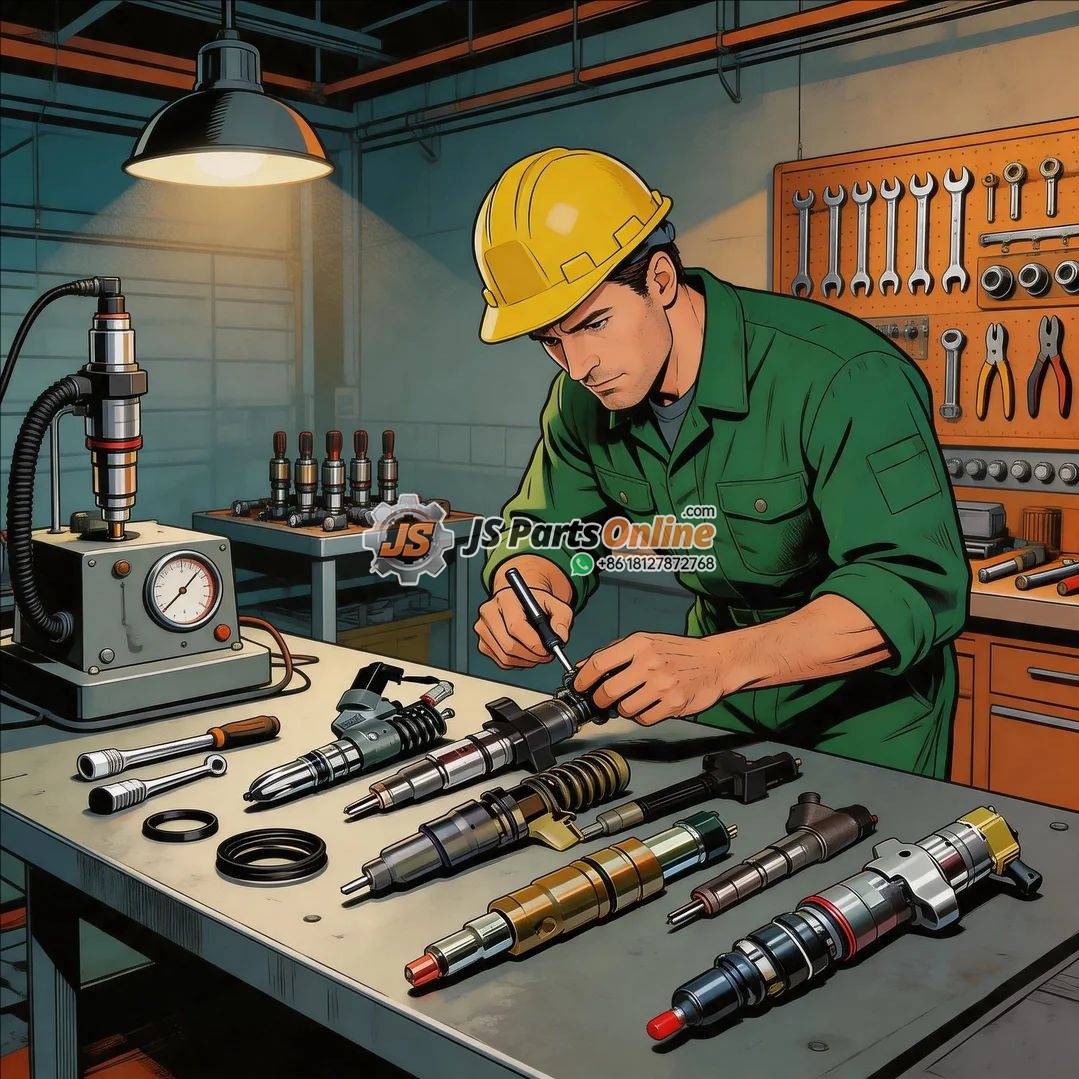
The world of off-highway equipment—from massive tractors and combines to earth-moving loaders and excavators—operates in a realm of its own. Here, fuel injectors face a triad of relentless adversaries: choking dust and particulate contamination, the widespread use of biofuels like B20 or even B100, and duty cycles defined by maximum torque at low RPM for hours on end. These are not automotive engines in a tough shell; they are power units with fundamentally different demands. Off-highway and agricultural fuel injectors are engineered to meet this challenge, prioritizing absolute reliability and serviceability in conditions where a breakdown doesn’t just mean a tow, but a missed harvest or a stalled multi-million dollar project. This guide examines the unique operating philosophy of this sector, details the specialized features of its injection systems, explains the most common and costly failure modes, and provides a maintenance framework to protect your most critical capital assets.
The Off-Highway Crucible: A Unique Set of Extremes
Agricultural and heavy equipment injectors operate under a distinct set of stresses that reshape priorities:
- Extreme Particulate & Dust Ingress: Equipment works in clouds of dirt, chaff, and mineral dust. This environment tests air filtration to its limit and can lead to rapid contamination if seals or systems are breached. Dust is an abrasive that attacks everything it touches.
- Biofuel Adoption & Compatibility: Agriculture is a leading adopter of biodiesel (B5, B20) and, in some cases, pure plant oil. These fuels have different lubricity, solvent properties, and oxidation stability compared to petroleum diesel. Injectors must be compatible to prevent seal degradation, internal corrosion, and deposit formation.
- High Torque, Low RPM, Continuous Load: Unlike trucks that cruise, a tractor pulling a deep ripper or a combine processing grain operates at high engine load (80-90%+) but often at lower RPMs (1500-2200 RPM). This places sustained thermal and mechanical stress on injectors, with less of the “flushing” effect of high fuel flow seen at highway speeds. It exacerbates the potential for the type of heat-related performance degradation seen in all high-load applications.
- Seasonal, Intensive Use Patterns: Equipment may sit for months, then run 24/7 during planting or harvest. This “storage then sprint” cycle promotes fuel degradation, water accumulation, and microbial growth in tanks, creating a perfect storm for the fuel system when it’s needed most.
Engineering for the Field: Key Design Priorities
Injectors for this sector are built with a focus on contamination resistance, fuel flexibility, and serviceability.
- Enhanced Sealing and Ingress Protection:
- Electrical connectors are often of a sealed, robust design (e.g., Deutsch, AMP) to resist dust and moisture. The entire injector body and its integration with the cylinder head are designed to prevent the ingress of external contaminants that could abrade precision internal components.
- Biofuel and Alternative Fuel Compatibility:
- Critical internal seals are made from high-grade FKM (Fluorocarbon) or FFKM (Perfluoroelastomer) compounds specifically formulated to resist swelling and degradation from biodiesel and its esters. Internal materials are chosen for corrosion resistance against potentially higher levels of water and organic acids in biofuel.
- The importance of fuel quality and compatibility cannot be overstated, as detailed in our dedicated fuel quality guide.
- Robust Cooling and High-Load Durability:
- Given the sustained high-load operation, injector cooling is paramount. Many large displacement diesel injectors are coolant-cooled, with a dedicated jacket around the injector body fed by the engine’s cooling system. This prevents nozzle tip temperatures from soaring and causing coking or thermal fatigue.
- The materials used, especially for the nozzle and needle, are selected for maximum resistance to the unique wear patterns of high-pressure, lower-RPM operation, a topic covered in our materials science analysis.
- Designed for Serviceability:
- In a machine where downtime is measured in lost acres per hour, ease of access and replacement is a design feature. While not always simple, the systems are generally designed with field service in mind, compared to the tightly packed engine bays of modern trucks.
Common Failure Modes in the Field
Recognizing these patterns can prevent a minor issue from stalling critical operations.
- Abrasive Wear from Contaminated Fuel: The #1 killer.
- Symptom: Gradual, then sudden, loss of power and increased fuel consumption. May affect multiple injectors and the high-pressure pump simultaneously.
- Cause: Failure of primary and secondary fuel filters, or water ingress promoting corrosion that creates abrasive particles. The particles act as lapping compound inside precision injector tolerances. This underscores the life-or-death importance of the filtration principles in our preventive maintenance guide.
- Nozzle Coking from Biofuel and Long Storage:
- Symptom: Hard starting after storage, rough idle, loss of peak power, and excessive exhaust smoke. Worse on engines that have sat with untreated biodiesel in the system.
- Cause: Oxidation of biodiesel can form gums and polymers that deposit on injector nozzles. Combined with the high heat of operation, this creates hard carbon that disrupts the spray pattern critical for clean combustion.
- Internal Leakage Due to Seal Degradation (Biofuel Incompatibility):
- Symptom: Fuel dilution of engine oil (rising oil level), hard hot starting, and possibly external fuel leaks.
- Cause: Incompatible seals breaking down when exposed to high-concentration biodiesel, leading to loss of internal sealing. This is a clear failure of component specification.
- Electrical Failure from Environmental Exposure:
- Symptom: Intermittent or constant misfire on one cylinder, often triggered or worsened by vibration or moisture.
- Cause: Dust and water intrusion into electrical connectors, leading to corrosion and poor conductivity. Vibration can fatigue wiring.
The Agricultural & Off-Highway Maintenance Protocol
Proactive, disciplined maintenance is the only path to reliability in this sector.
- Hyper-Vigilant Fuel Management:
- Filtration is Non-Negotiable: Install and maintain premium, high-efficiency primary and secondary fuel filter/water separators. Change them at least as often as the manual states, and more frequently in dusty conditions or when using high-percentage biodiesel.
- Manage Biofuel: Use biodiesel blends from reputable sources. Treat fuel with stabilizers and biocides if equipment will be stored for more than a few months. Consider purging the fuel system with standard diesel before long-term storage.
- Drain Water Daily: During intensive use, drain the water separator daily. Water is the enemy of both injectors and high-pressure pumps.
- Pre- and Post-Season Rituals:
- Pre-Season: Change all filters (fuel, oil, air). Test fuel for water and contamination. Consider a professional fuel system cleaning or injector verification service.
- Post-Season/Storage: Run the engine on stabilized, low-biofuel diesel for a period before shutdown. Consider using a fogging oil in the intake. Fill the fuel tank to minimize condensation.
- Monitor Performance Data: Use the machine’s onboard diagnostics (if equipped) to monitor fuel rate, engine load, and any fault codes. A gradual increase in fuel consumption for the same work is an early sign of injector or system efficiency loss.
- Professional Cleaning as Preventative Maintenance: For high-value equipment, consider having injectors removed, ultrasonically cleaned, and tested as a scheduled service (e.g., every 5,000-8,000 engine hours). This can restore performance and identify weak components before they fail in the field.
The Replacement Decision: Specifying for the Job
When replacement is inevitable, the application dictates the choice:
- Genuine OEM or OEM-Specification: Essential for ensuring biofuel compatibility, correct flow rates for the engine’s torque curve, and proper integration with the engine’s electronic controls (which often require coding/calibration on modern equipment).
- Verify Compatibility: Explicitly confirm that any aftermarket or remanufactured injector is rated for the level of biodiesel you use. Do not assume compatibility.
- Consider Full Sets on High-Hour Engines: On engines with 8,000+ hours, replacing a full, matched set of injectors is often the most economical long-term decision to ensure balanced performance and prevent near-term repeat failures, a strategy that pays dividends in all commercial applications.
Conclusion: Reliability is the Harvest
In off-highway and agricultural applications, the fuel injector is more than a component; it is a guardian of productivity. Its failure doesn’t just incur a repair bill; it costs time, yield, and opportunity. By understanding the unique cocktail of abrasive dust, active biofuels, and relentless load that these injectors face, and by implementing a military-grade regimen of fuel hygiene and proactive care, you protect the heart of your business. The right parts, paired with the right practices, ensure that when the season calls or the job demands, your equipment answers with unwavering power.
Equip Your Iron with Components Forged for the Field.
Don’t let a standard part be the weak link in your most valuable machines. JSPartsonline supplies durable, application-specified fuel injection components designed to meet the severe demands of agriculture and heavy equipment, helping you turn fuel into reliable work, season after season.
Demand field-proven reliability. Find heavy-duty fuel system components for your off-highway equipmentor consult with our agricultural power specialistsfor application-specific support.
Related products


Related Posts
-
1

-
2

-
3

-
4

-
5

-
6



JSPartsonline:
Focus on injectors for 12 years,We sell high-quality fuel injectors at competitive prices.
Copyright 2025 © YUN·X . All right reserved.
