
How to Test a Diesel Fuel Injector: 4 Professional Methods Explained
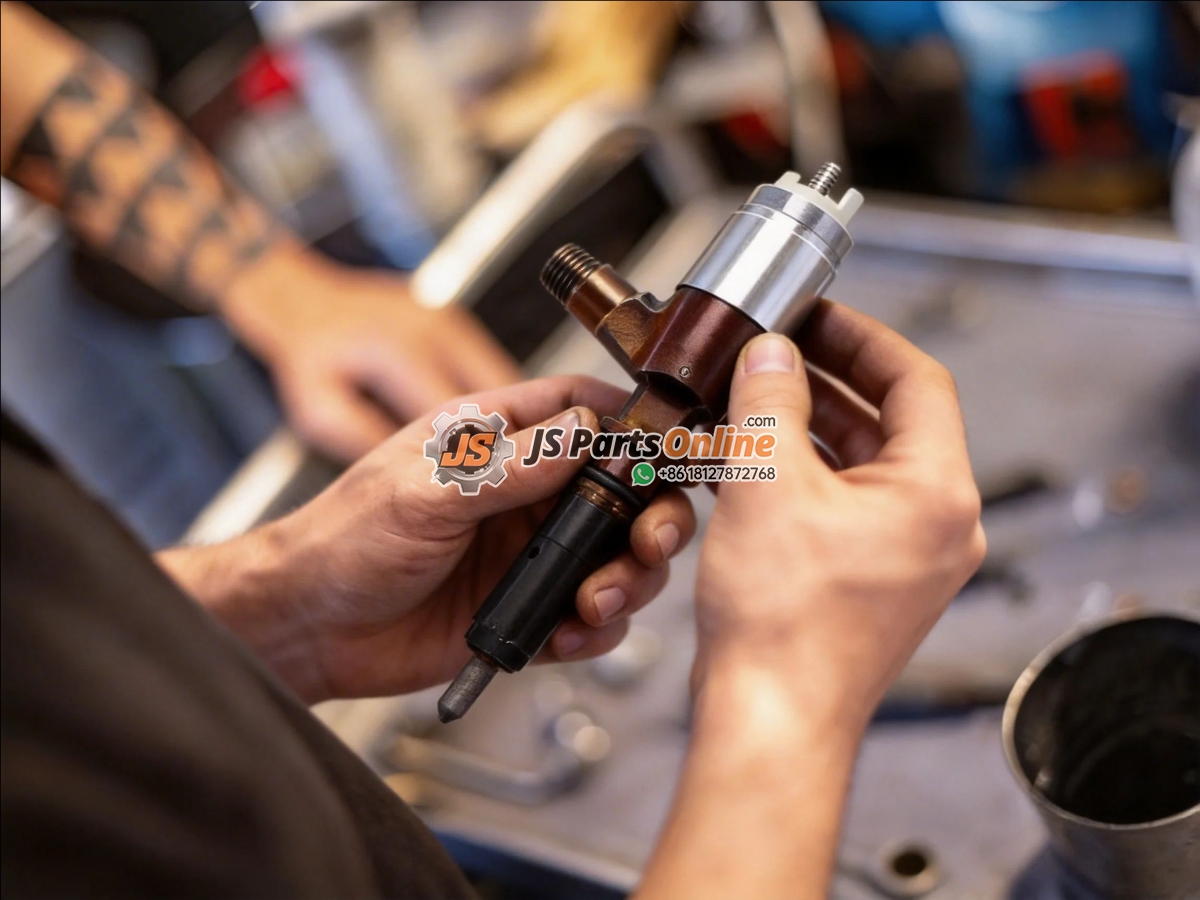
Is your diesel engine running rough, producing excessive black or white smoke, suffering from a significant loss of power, or showing poor fuel economy? These symptoms often point to a failing diesel fuel injector. Before you commit to a costly replacement, accurate testing is crucial. This comprehensive guide will walk you through four effective methods—from basic checks to professional procedures—on how to test a diesel fuel injector, helping you diagnose the problem with confidence and avoid unnecessary repairs.
Why Diesel Injector Testing is Essential
Unlike their gasoline counterparts, diesel fuel injectors operate under extremely high pressure and precision. They are critical for engine performance, emissions, and fuel efficiency. A faulty injector can cause unburned fuel, wash down cylinder walls, damage the Diesel Particulate Filter (DPF), and lead to catastrophic engine failure. Proper testing allows you to:
- Identify the specific faulty injector among a set.
- Diagnose the type of fault (clogging, leaking, bad spray pattern, or electrical issue).
- Make an informed decision between repair, cleaning, or replacement. For a deeper understanding of failure signs, read our guide on common diesel engine performance problems.
Safety First & Preliminary Checks
Warning: Diesel fuel injectors operate at pressures exceeding 30,000 PSI. Always depressurize the fuel system according to the manufacturer’s manual before any work. Wear safety glasses and gloves.
Preliminary Steps:
- OBD-II Scanner: Use a diagnostic scanner to check for any injector-related fault codes (e.g., cylinder contribution, circuit codes).
- Visual Inspection: Look for obvious signs of fuel leaks around the injector seals, carbon buildup on the tip, or damaged electrical connectors.
Method 1: The Listening Test (Mechanical Stethoscope)
This is the simplest, no-tools-removed method to identify a severely malfunctioning injector.
How it works: A functioning injector makes a distinct, rhythmic “clicking” or “ticking” sound as it fires. A dead or clogged injector will sound noticeably different.
Procedure:
- Start the engine and let it idle.
- Place the tip of a mechanical stethoscope (or a long screwdriver with the handle to your ear) on the body of each injector, one at a time.
- Listen for a sharp, consistent clicking from each. A dull, slower, or absent click indicates a potential problem with that fuel injector solenoid or a clogged nozzle.
Limitations: Only identifies severe issues. Cannot diagnose spray pattern or precise flow.
Method 2: The Power Balance Test (Using Diagnostic Software)
A more advanced method that uses the engine’s Electronic Control Module (ECM) to measure each cylinder’s contribution.
How it works: The ECM software deactivates one injector at a time and monitors the resulting drop in engine RPM. A cylinder with a weak injector will show a smaller RPM drop.
Procedure:
- Connect a professional-grade diagnostic scanner or software to the vehicle’s OBD-II port.
- Access the “power balance” or “cylinder contribution” test function.
- Run the test. The software will graphically display the performance contribution of each cylinder.
- A cylinder showing significantly lower contribution likely has a faulty diesel fuel injector.
Best for: Modern common-rail systems. It’s an excellent non-invasive diagnostic tool.
Method 3: Electrical Testing (Multimeter Test)
This method checks the health of the injector’s internal solenoid coil, a common point of failure.
What you’re testing: The injector’s resistance (in Ohms, Ω). Consult your engine’s service manual for the exact specification (typically between 0.5 – 2.0 Ω for low-resistance injectors).
Procedure:
- Disconnect the electrical connector from the injector.
- Set your digital multimeter to the resistance (Ω) setting.
- Touch the multimeter probes to the two terminals of the injector.
- Interpret Results:
- Reading within spec: The solenoid coil is electrically sound.
- Reading “OL” (Open Loop) or infinite resistance: The coil is broken – the injector needs replacement.
- Reading 0 Ω or very low: The coil is shorted – the injector needs replacement.
- For a complete diagnosis, also perform a continuity test from the injector connector back to the ECM to rule out wiring harness issues.
Method 4: Pop Testing & Flow Bench Testing (The Definitive Method)
This is the industry-standard, most accurate test performed by specialized shops. It requires removing the injector.
What is Pop Testing? The injector is mounted on a bench tester, which supplies fuel at precise operating pressure. The technician activates the injector and visually inspects the spray pattern, listens for a clean “pop” sound, and checks for dripping or leaking after closure.
What is Flow Testing? The injector is fired a set number of times into a graduated cylinder. The amount of fuel delivered is measured and compared across all injectors. Variance beyond 3-5% indicates a problem.
Why It’s the Gold Standard: It directly evaluates the two most critical functions: nozzle spray quality and fuel delivery volume. It can identify clogs, leaks, and wear that other tests miss.
Interpreting Results & Next Steps:
- Poor Spray Pattern/Dripping: The injector nozzle is damaged or fouled. Ultrasonic cleaning may help, but often replacement is required.
- Low/High Flow Rate: The injector is worn or clogged. For precision-dependent modern engines, a matched set of tested and calibrated fuel injectors is recommended. If testing confirms failure, explore our range of reliable Bosch diesel injectors or Cummins fuel injectors for your specific engine model.
Conclusion: From Diagnosis to Solution
Start with the simplest tests (Listening, OBD Codes) and move to more advanced ones (Electrical, Power Balance). For conclusive evidence, especially on high-pressure common-rail systems, professional pop and flow testing is irreplaceable.
Summary:
- Rough run/Noise: Perform the Listening Test.
- Loss of power/Code: Run a Power Balance Test.
- No-start/Electrical fault: Conduct a Multimeter Resistance Test.
- Certain diagnosis & calibration: Require a professional Pop and Flow Test.
Facing a Failed Injector? Get a Precise Match.
Diagnosis is only half the battle. Once you’ve identified a faulty unit, installing a precisely calibrated, high-quality replacement is key to restoring performance and longevity. JSPartsonline supplies OEM-specification and premium aftermarket injectors for a wide range of industrial and automotive diesel engines. Browse our complete diesel fuel injector catalog or contact our technical support team for help selecting the exact right part for your application.
Posts Widget
-
1

-
2

-
3
-
4



JSPartsonline:
Focus on injectors for 12 years,We sell high-quality fuel injectors at competitive prices.
Copyright 2025 © YUN·X . All right reserved.
