
Category: Technical Guides
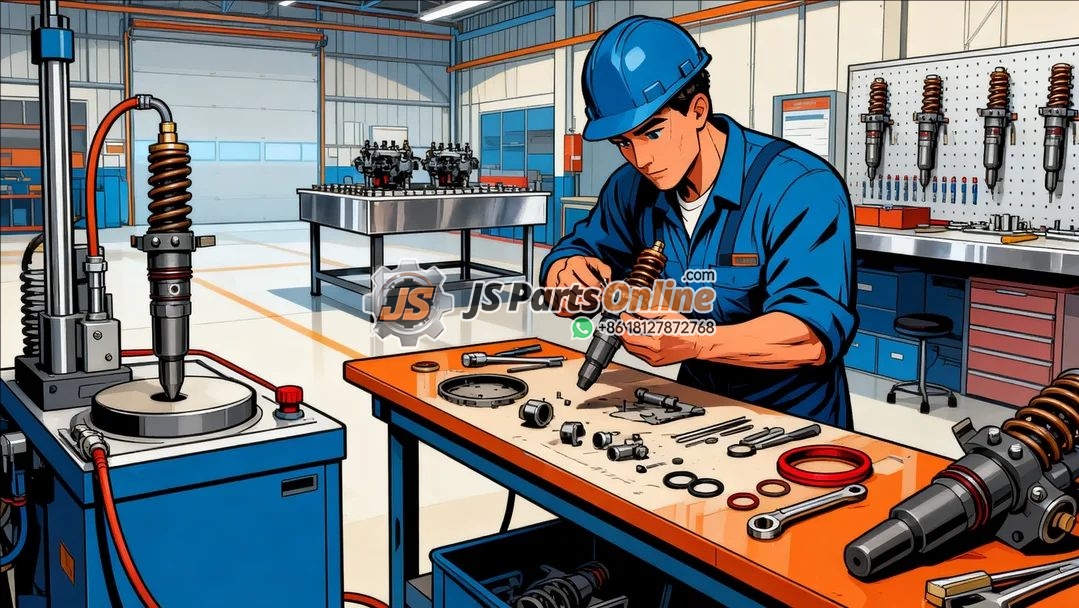
For decades, engine management was primarily an open-loop prediction. The Engine Control Unit (ECU) used maps—calibrated on a test bench for a “typical” engine—to command fuel injectors based on estimated air mass, temperature, and RPM. It corrected based on exhaust gas sensors, but these signals were delayed and collective. Today, a revolution in precision is

The quest for decarbonizing heavy transport and industrial power has reignited interest in a seemingly old concept: the internal combustion engine. However, the fuel is new. Hydrogen, when burned, produces only water vapor and negligible nitrogen oxides, making Hydrogen Internal Combustion Engines (H2-ICE) a compelling zero-carbon pathway for applications where batteries fall short. At the
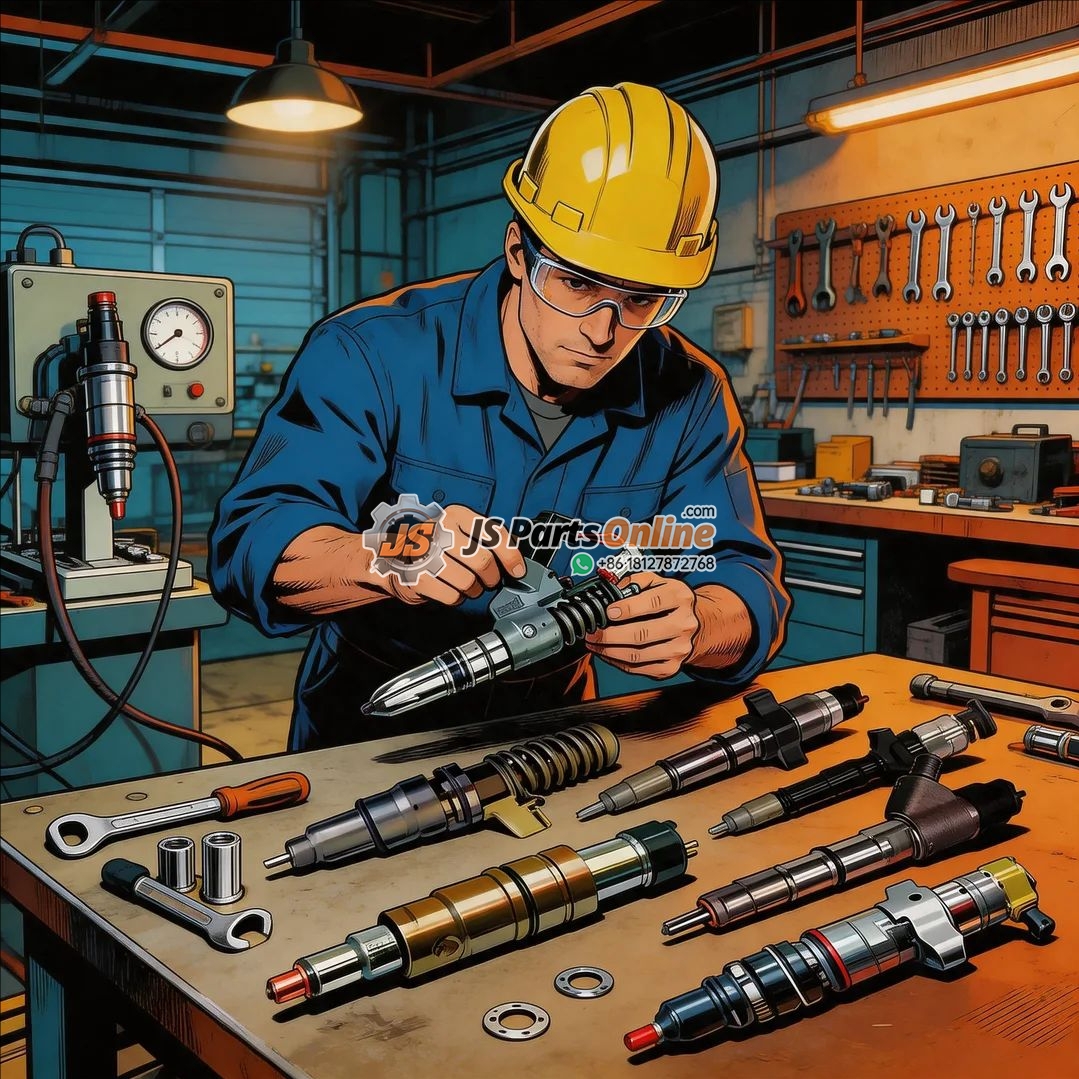
Not all engines operate on paved roads or in temperature-controlled environments. In the heart of a mining haul truck, the engine bay of a desert-patrolling vehicle, or deep within industrial machinery, fuel injectors face a triad of relentless adversaries that far exceed standard automotive specifications: extreme thermal loads, punishing vibration, and pervasive abrasive contamination. In
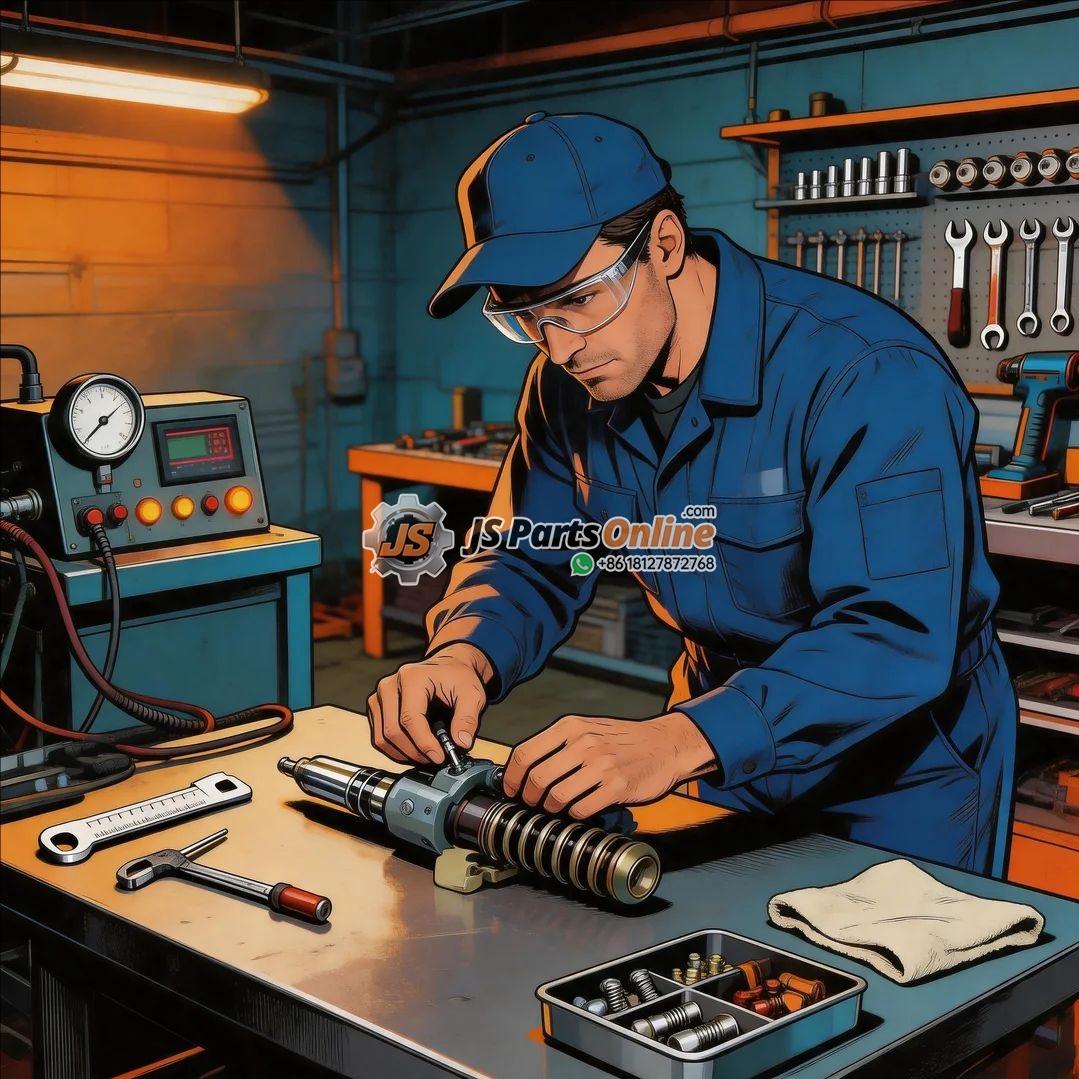
In a world powered by data, healthcare, and continuous industry, the failure of the electrical grid is not an option. This is the domain of the generator set (genset), where reliability is measured in milliseconds from outage to full load. At the core of this rapid response is a component that must perform flawlessly after
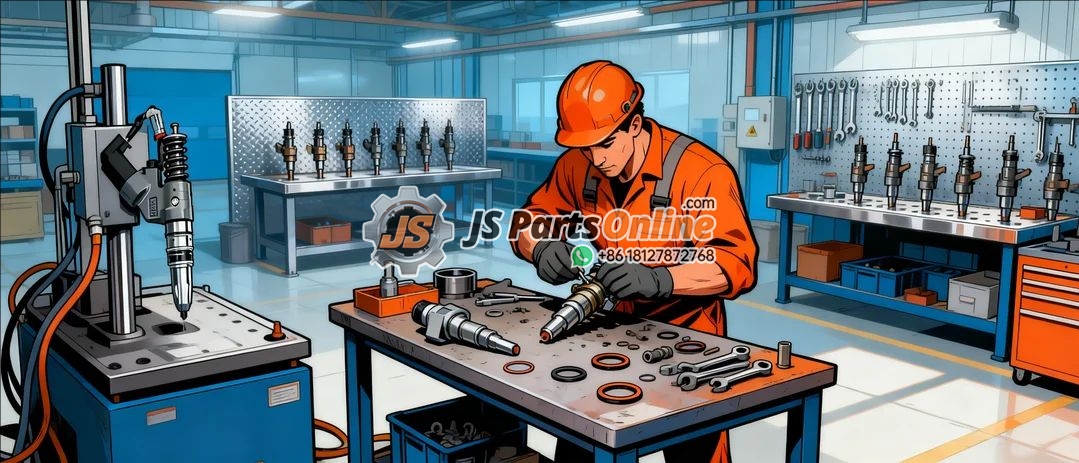
The modern fuel injector is a paradox: a component that must withstand the brutal, explosive environment inside a combustion chamber while operating with the precision of a surgical instrument. This duality is not achieved by accident, but through a meticulously controlled manufacturing journey where microns matter and failure is not an option. For engineers, procurement
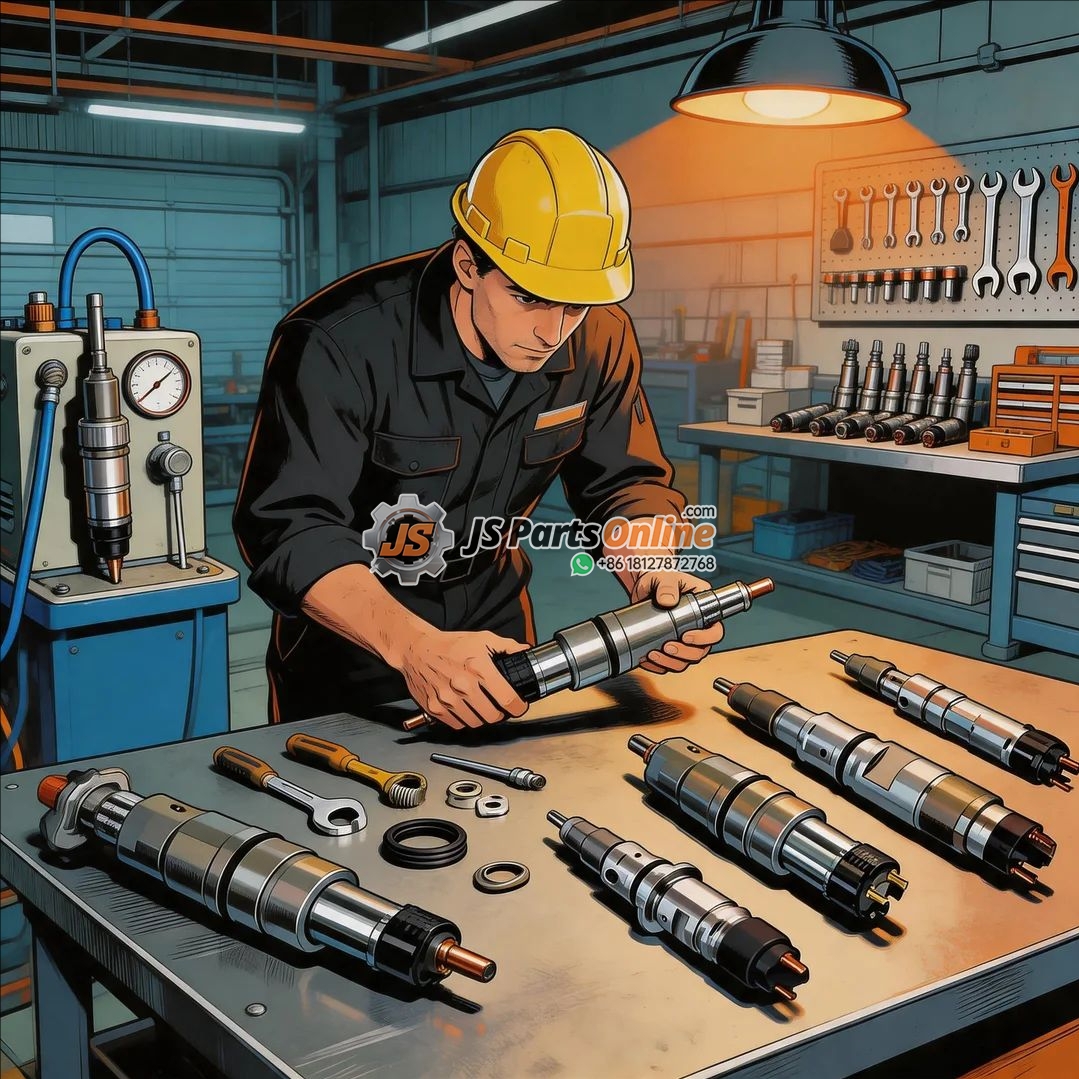
The command for a fuel injection event begins as a digital logic signal inside the Engine Control Unit (ECU). But transforming that millisecond-long pulse into the physical, high-force movement of an injector’s needle valve requires a critical, often overlooked intermediary: the injector drive circuit. This circuit is the high-current switching bridge between the low-power world
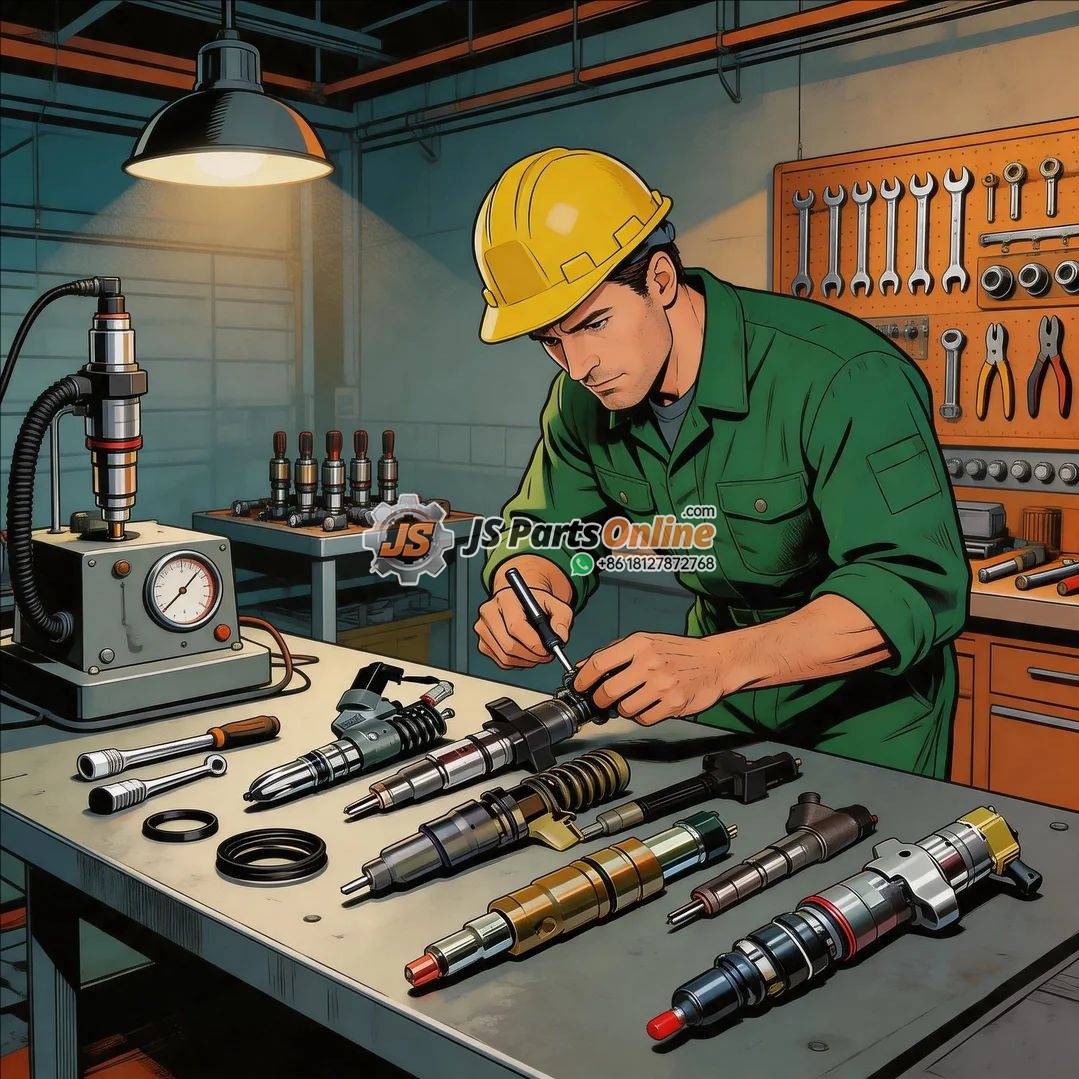
The world of off-highway equipment—from massive tractors and combines to earth-moving loaders and excavators—operates in a realm of its own. Here, fuel injectors face a triad of relentless adversaries: choking dust and particulate contamination, the widespread use of biofuels like B20 or even B100, and duty cycles defined by maximum torque at low RPM for
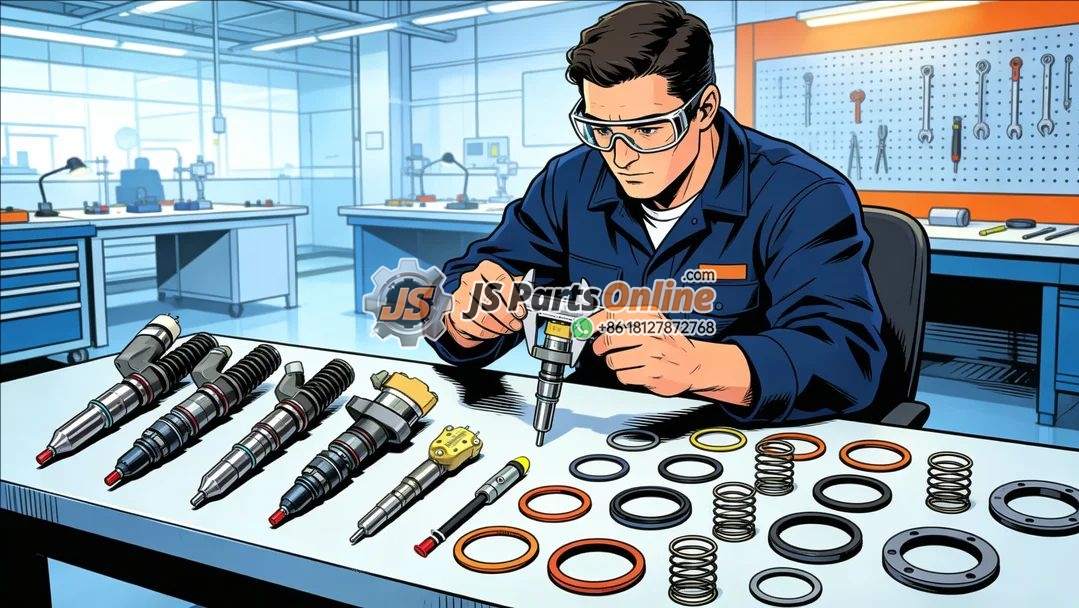
The demands on a marine engine are unrelenting: constant high load for hours or days, pervasive salt-laden air, relentless vibration, and the critical need for absolute reliability far from shore. At the heart of this dependable power lies the fuel injection system, and it’s precision components are subjected to a unique set of adversaries unseen
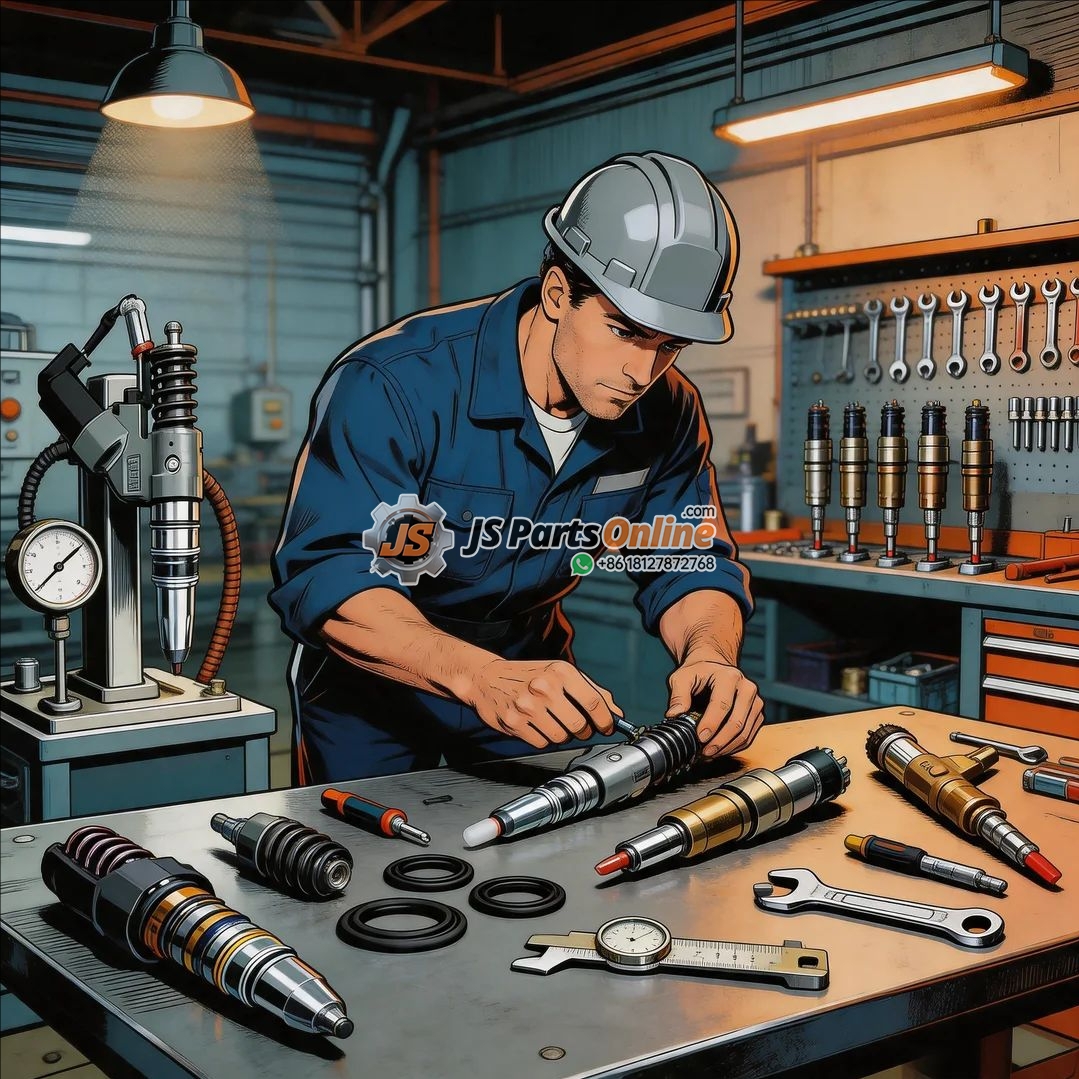
The demands placed on a fuel injector in a street-legal performance car are significant, but they pale in comparison to the brutal, uncompromising environment of competitive motorsport. In racing, every millisecond and every droplet of fuel counts towards victory or mechanical failure. Here, fuel injectors are not just components; they are high-precision, high-frequency fuel artillery

To the untrained eye, a fuel injector is a solid metal component with a hole. To the engineer, it is a dynamic landscape where fluid physics are pushed to their absolute limits. Within its precision confines, fuel is not merely transported; it is accelerated, sheared, stabilized, and atomized under conditions that defy everyday intuition—pressures exceeding


JSPartsonline:
Focus on injectors for 12 years,We sell high-quality fuel injectors at competitive prices.
Copyright 2025 © YUN·X . All right reserved.
